

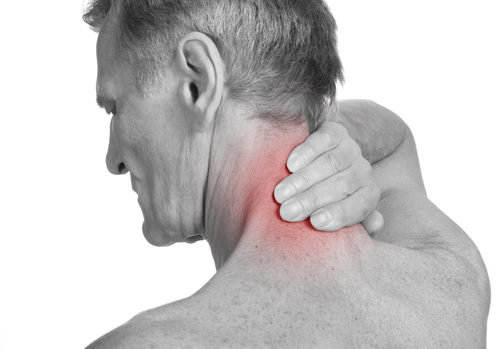
 Patients frequently come into the Urgent Care clinic for problems related to neck pain. It can be caused by a number of different factors including ligament or muscle strain, arthritis or a “pinched nerve.”
It is quite common, and in fact 10% of adults have neck pain at any one time. Most patients recover with conservative therapy regardless of the cause of the pain. Understanding neck pain is much easier if you have a good knowledge of the structural anatomy of the neck.
Brief description of the anatomy is outlined below:
1) Cervical vertebrae: Seven small bones the make up the cervical spine of the neck
2) Spinal canal: The structure through which the spinal cord (nerves) flow which is made from the cervical vertebrae as well as the supporting ligaments and overlying neck muscles.
3) Cervical discs: Between the neck bones, these tiny shock absorbers cushion one bone from another. The inner part of the disc contains a gelatin-like material and when excessive pressure on the disc occurs, this gelatin-like material can protrude and cause what we call a “herniated disc.”
Causes: There are several causes for neck pain, some of which are mentioned here:
1) Whiplash injury: A traumatic event that causes sudden forward/backward movement of the cervical spine. A motor vehicle accident is the most common cause.
2) Cervical strain: Injury to muscles of the neck that cause spasm of the neck and upper back muscles causes this type of pain. It can be a result of physical stresses of everyday life including poor sleep habits, muscle tension from psychological stress, or poor posture.
3) Diffuse skeletal hyperostosis: Also called (DISH) is when there are abnormal calcifications in the ligaments and tendons along the cervical spine.
4) Cervical spondylosis: Abnormal wear and tear causes gradual narrowing of the disk space and loss of normal bone structure which often leads to bone spurs. These spurs can increase the pressure on surroundings areas.
5) Cervical discogenic pain: The intervertebral discs of the neck function as shock absorbers that cushion the neck bones from one another. If there are structural changes in these discs, it can cause pain.
6) Cervical facet syndrome: Pain involving the facet joints is common in people who repeatedly extend the neck (tilt the head backwards). The facet joints are on the left and right of the vertebrae.
7) Cervical radiculopathy: When disk or neck pass pushes on or irritates a nerve root, this can cause pain, weakness or numbness/tingling of the neck and/or arm.
8) Cervical spondylotic myelopathy: This is narrowing of the spinal canal inside the bones of the neck, and is usually caused by either damage to the disks or degeneration from arthritis.
Testing: In order to determine the cause of the pain, your healthcare provider will examine your neck and look at the movement or range of motion to the neck and observe posture of the neck and shoulders. In some cases there may be a radiological study such as an x-ray, MRI (magnetic resonance imaging) or CT scan (computed tomography) ordered. The need for on of these tests depends on the patient’s history and physical examination.
Treatment: The individual treatment is tailored to the patient to help treat the underlying cause of pain. Some possible treatments may include:
1) Medications: Ibuprofen, naproxen or Tylenol may be prescribed. Other medications such as muscle relaxants or narcotics may also be prescribed depending on the circumstances.
2) Heat: Can be helpful for decreasing the muscle spasm in the neck. Moist heat (from a shower, hot tub, or moist towel warmed in a microwave or with warm water) seams to work best
3) Ice: Can reduce the pain in many people. Ice is applied directly to the painful area. A bag of ice, frozen peas or a ice cubes in a plastic bag is often used, but avoid applying the blue ice that is used for coolers/camping to the skin as this can cause freezer burn.
4) Massage: By applying pressure on both sides of the neck and upper back, the neck muscles may be relaxed. This is usually most helpful if done by a professional massage therapist.
5) Stretching exercises: Do not attempt exercises without being evaluated by a healthcare provider as they can actually make the problem worse if performed incorrectly. Exercises can be performed to relieve stiffness and improve range of function.
6) Stress reduction: Neck tension can be increased due to emotional stress and can delay the recovery process. To help with stress reduction, breathing exercises, meditation, progressive muscle relaxation, biofeedback, prayer or self-hypnosis are helpful for some patients.
7) Posture: It’s important to avoid extreme ranges of motion or positions that cause constant tension. Avoid sitting in the same position for extended periods of time. Also avoid placing backpacks, over-the-shoulder purses, or children on the shoulders. Do not perform overhead work for prolonged periods of time. Hold your head up and keep shoulders back and down to maintain a good posture. Sleep with your neck in a neutral position by sleeping with a small pillow under the nape of your neck (while laying on your back). Carry heavy objects close to your body rather than with outstretched arms.
Other treatments:
1) Osteopathic manipulative therapy (OMT)– physically manipulating the muscles, soft tissues and joints can help with neck pain
2) Trigger Point Injection: A local anesthetic such as lidocaine can be injected into an area of muscle spasm
3) Accupuncture: A needle placed into the proper body area by a healthcare professional who is trained in accupunture therapy can be helpful
4) Electrical stimulation: Transcutaneous electrical nerve stimulation (TENS) is a treatment that uses a mild electric current that is applied to the skin to decrease pain and increase mobility and strength. Some people have found TENS helpful.
5) Cervical traction: The use of weights to pull the spinal column into alignment have been helpful for some people in the short term, however clinical studies have shown no long term benefits.
6) Surgery: Surgery has a role in relieving symptoms related to a pinched nerve in some cases. Usually these patients have tried all prior treatment options before proceeding with surgery.
To find an Osteopathic physician in your area, the American Osteopathic Association has a useful website: http://www.osteopathic.org/osteopathic-health/find-a-do/Pages/default.aspx
I hope that you have found this information useful. Wishing you the best of health,
Patients frequently come into the Urgent Care clinic for problems related to neck pain. It can be caused by a number of different factors including ligament or muscle strain, arthritis or a “pinched nerve.”
It is quite common, and in fact 10% of adults have neck pain at any one time. Most patients recover with conservative therapy regardless of the cause of the pain. Understanding neck pain is much easier if you have a good knowledge of the structural anatomy of the neck.
Brief description of the anatomy is outlined below:
1) Cervical vertebrae: Seven small bones the make up the cervical spine of the neck
2) Spinal canal: The structure through which the spinal cord (nerves) flow which is made from the cervical vertebrae as well as the supporting ligaments and overlying neck muscles.
3) Cervical discs: Between the neck bones, these tiny shock absorbers cushion one bone from another. The inner part of the disc contains a gelatin-like material and when excessive pressure on the disc occurs, this gelatin-like material can protrude and cause what we call a “herniated disc.”
Causes: There are several causes for neck pain, some of which are mentioned here:
1) Whiplash injury: A traumatic event that causes sudden forward/backward movement of the cervical spine. A motor vehicle accident is the most common cause.
2) Cervical strain: Injury to muscles of the neck that cause spasm of the neck and upper back muscles causes this type of pain. It can be a result of physical stresses of everyday life including poor sleep habits, muscle tension from psychological stress, or poor posture.
3) Diffuse skeletal hyperostosis: Also called (DISH) is when there are abnormal calcifications in the ligaments and tendons along the cervical spine.
4) Cervical spondylosis: Abnormal wear and tear causes gradual narrowing of the disk space and loss of normal bone structure which often leads to bone spurs. These spurs can increase the pressure on surroundings areas.
5) Cervical discogenic pain: The intervertebral discs of the neck function as shock absorbers that cushion the neck bones from one another. If there are structural changes in these discs, it can cause pain.
6) Cervical facet syndrome: Pain involving the facet joints is common in people who repeatedly extend the neck (tilt the head backwards). The facet joints are on the left and right of the vertebrae.
7) Cervical radiculopathy: When disk or neck pass pushes on or irritates a nerve root, this can cause pain, weakness or numbness/tingling of the neck and/or arm.
8) Cervical spondylotic myelopathy: This is narrowing of the spinal canal inside the bones of the neck, and is usually caused by either damage to the disks or degeneration from arthritis.
Testing: In order to determine the cause of the pain, your healthcare provider will examine your neck and look at the movement or range of motion to the neck and observe posture of the neck and shoulders. In some cases there may be a radiological study such as an x-ray, MRI (magnetic resonance imaging) or CT scan (computed tomography) ordered. The need for on of these tests depends on the patient’s history and physical examination.
Treatment: The individual treatment is tailored to the patient to help treat the underlying cause of pain. Some possible treatments may include:
1) Medications: Ibuprofen, naproxen or Tylenol may be prescribed. Other medications such as muscle relaxants or narcotics may also be prescribed depending on the circumstances.
2) Heat: Can be helpful for decreasing the muscle spasm in the neck. Moist heat (from a shower, hot tub, or moist towel warmed in a microwave or with warm water) seams to work best
3) Ice: Can reduce the pain in many people. Ice is applied directly to the painful area. A bag of ice, frozen peas or a ice cubes in a plastic bag is often used, but avoid applying the blue ice that is used for coolers/camping to the skin as this can cause freezer burn.
4) Massage: By applying pressure on both sides of the neck and upper back, the neck muscles may be relaxed. This is usually most helpful if done by a professional massage therapist.
5) Stretching exercises: Do not attempt exercises without being evaluated by a healthcare provider as they can actually make the problem worse if performed incorrectly. Exercises can be performed to relieve stiffness and improve range of function.
6) Stress reduction: Neck tension can be increased due to emotional stress and can delay the recovery process. To help with stress reduction, breathing exercises, meditation, progressive muscle relaxation, biofeedback, prayer or self-hypnosis are helpful for some patients.
7) Posture: It’s important to avoid extreme ranges of motion or positions that cause constant tension. Avoid sitting in the same position for extended periods of time. Also avoid placing backpacks, over-the-shoulder purses, or children on the shoulders. Do not perform overhead work for prolonged periods of time. Hold your head up and keep shoulders back and down to maintain a good posture. Sleep with your neck in a neutral position by sleeping with a small pillow under the nape of your neck (while laying on your back). Carry heavy objects close to your body rather than with outstretched arms.
Other treatments:
1) Osteopathic manipulative therapy (OMT)– physically manipulating the muscles, soft tissues and joints can help with neck pain
2) Trigger Point Injection: A local anesthetic such as lidocaine can be injected into an area of muscle spasm
3) Accupuncture: A needle placed into the proper body area by a healthcare professional who is trained in accupunture therapy can be helpful
4) Electrical stimulation: Transcutaneous electrical nerve stimulation (TENS) is a treatment that uses a mild electric current that is applied to the skin to decrease pain and increase mobility and strength. Some people have found TENS helpful.
5) Cervical traction: The use of weights to pull the spinal column into alignment have been helpful for some people in the short term, however clinical studies have shown no long term benefits.
6) Surgery: Surgery has a role in relieving symptoms related to a pinched nerve in some cases. Usually these patients have tried all prior treatment options before proceeding with surgery.
To find an Osteopathic physician in your area, the American Osteopathic Association has a useful website: http://www.osteopathic.org/osteopathic-health/find-a-do/Pages/default.aspx
I hope that you have found this information useful. Wishing you the best of health,
Scott Rennie, D.O.
Board Certified in Obesity Medicine and Family Medicine
This blog is for educational purposes only and does not constitute individual medical advice. Always consult your own physician before making changes to your health, medications, or treatment plan.


 Doctor Rennie's Blog