

Childhood Obesity: How It’s Prevented and Treated

Childhood obesity is a chronic disease affecting roughly 14.7 million children and adolescents in the United States, and growth charts and BMI percentiles are the least interesting part of it. The American Academy of Pediatrics said as much in its 2023 Clinical Practice Guideline, which reframes obesity as a condition deserving the same urgency and structure we bring to any other chronic disease.

The guideline is built around 13 key action statements plus a set of consensus recommendations. The message running through all of them is that waiting doesn’t work. Early, structured intervention does.

The first shift is consistent screening. Pediatricians should measure height, weight, and BMI annually for every child between 2 and 18. Once BMI reaches the 85th percentile, the number stops being the point and the evaluation begins: dyslipidemia, prediabetes, fatty liver disease, hypertension, sleep apnea. That workup includes history, physical examination, and a careful look at social and environmental context.

For children over 10 with obesity, the guideline recommends a fuller lab evaluation. Fasting glucose or A1c, a lipid panel, liver enzymes, and where indicated a sleep study or a PCOS evaluation in adolescent girls. Depression screening belongs in that set too. Obesity travels with comorbidities, and treating one while ignoring the others misses most of the disease.

Once the diagnosis is made, treatment starts. Not next visit. The model is family-centered and non-stigmatizing, and motivational interviewing sits at the center of it because it lets clinicians surface ambivalence, name barriers, and set goals with families rather than at them.

The cornerstone is Intensive Health Behavior and Lifestyle Treatment. IHBLT is structured and sustained in a way brief counseling never is. The evidence supports at least 26 hours of face-to-face individual or group contact over 3 to 12 months, delivered by a multidisciplinary team of physicians, dietitians, behavioral health providers, and exercise professionals. That threshold is where outcomes start to move, and it applies to children as young as 6.

Nutrition counseling focuses on limiting calorie-dense, nutrient-poor food and increasing fruit, vegetables, and lean protein. Activity goals scale by age, with 60 minutes of moderate-to-vigorous movement daily as the benchmark for school-aged children. Behavioral strategies cover self-monitoring, goal setting, and problem solving. Parental involvement is central rather than optional, and programs that engage parents in the behavior change itself see better outcomes.

For families, this looks nothing like being told to eat better and move more. The intensity and the support structure are what shift the needle.

Not every family can reach a program like that. Geography, insurance, and local capacity all get in the way. The guideline acknowledges it and asks providers to deliver the most comprehensive care available while advocating for expanded community-based IHBLT.

Pharmacologic therapy is the next tier. Adolescents 12 and older may be offered FDA-approved weight-loss medication as an adjunct to health behavior and lifestyle treatment, according to each drug’s indications, risks, and benefits. Twelve is the floor. Medications are adjuncts to behavioral treatment rather than replacements for it.

Metabolic and bariatric surgery is addressed as well. For adolescents 13 and older with severe obesity, defined as BMI at or above 120% of the 95th percentile, the guideline supports referral to a comprehensive pediatric surgical center for evaluation.

The guideline also spends real attention on social determinants. Families dealing with poverty, food insecurity, systemic inequity, or nowhere safe to play are facing barriers that have nothing to do with individual willpower. Effective treatment has to acknowledge that and work on it where it can.

For practicing clinicians the roadmap is short: treat when obesity is identified, use motivational interviewing, refer to or provide IHBLT, manage comorbidities in parallel, and advocate for families against stigma and structural barriers.

Sandra Hassink, who helped lead the work, put the central point plainly when the guideline was released: “There is no evidence that ‘watchful waiting’ or delayed treatment is appropriate for children with obesity.”

Scott Rennie, D.O.

References:

1. Hampl SE, Hassink SG, Skinner AC, et al. Clinical Practice Guideline for the Evaluation and Treatment of Children and Adolescents With Obesity. Pediatrics. 2023;151(2):e2022060640. https://publications.aap.org/pediatrics/article/151/2/e2022060640/190443/

2. Executive Summary: Clinical Practice Guideline for the Evaluation and Treatment of Children and Adolescents With Obesity. Pediatrics. 2023;151(2):e2022060641. https://publications.aap.org/pediatrics/article/151/2/e2022060641/190440/

3. American Academy of Pediatrics. Clinical Practice Guideline for the Evaluation and Treatment of Pediatric Obesity: resources and implementation tools. https://www.aap.org/obesitycpg

Board Certified in Obesity Medicine and Family Medicine

This blog is for educational purposes only and does not constitute individual medical advice. Always consult your own physician before making changes to your health, medications, or treatment plan.

What Brain Scans Show About Appetite and Overeating

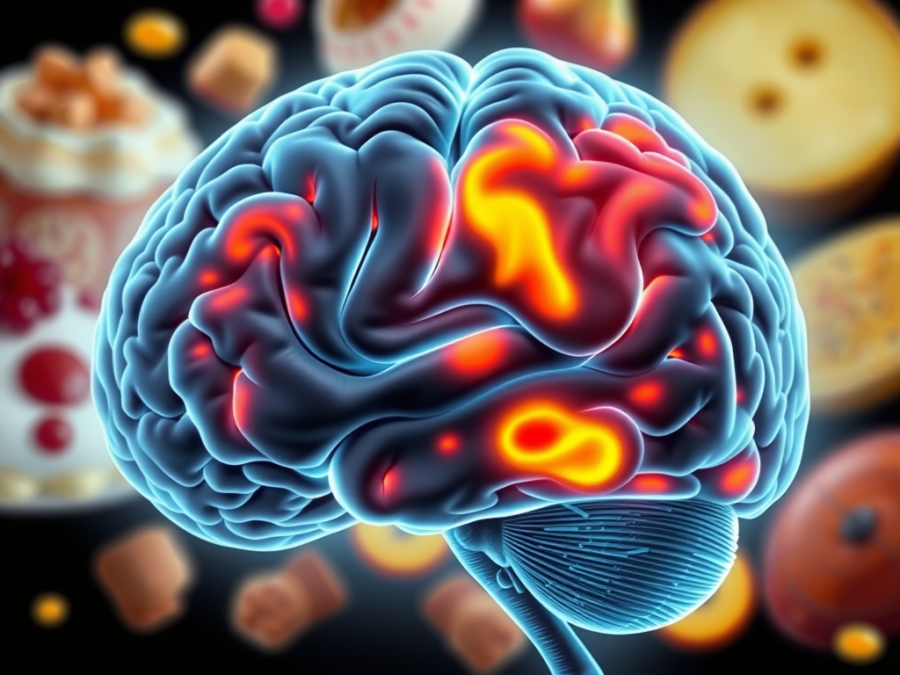
Patients say a version of the same thing constantly: “I know what I should eat, but I still crave the wrong things.” That gap between knowledge and behavior is what pushed researchers toward the brain. Functional MRI has shown that appetite runs on circuits that defend fat mass and respond to food cues, and that willpower is a small part of the story.

For years we leaned on BMI as the working definition of obesity. A BMI over 30 got the label, and the number explained nothing about why weight gain happened or why some patients struggle far more than others. Schwartz and colleagues reframed it in 2017 as “a disorder of energy homeostasis, characterized by the defense of an elevated body fat mass” (Schwartz et al., Endocr Rev, 2017). That definition earns its keep. It says the body is working to hold fat stores high, and that when weight comes off, biology answers with stronger hunger signaling, slower metabolism, and shifted hormones.

The gut-fat-brain conversation sits at the center. Leptin, ghrelin, insulin, GLP-1, and PYY all shape hunger and satiety, and fMRI shows how those signals land. High-calorie food cues light up the amygdala, striatum, medial orbitofrontal cortex, and ventral tegmental area, all reward and craving territory (Schur et al., Int J Obes, 2009; Melhorn et al., Am J Clin Nutr, 2018). After weight loss, that reward response doesn’t fade, which is a large part of why relapse is the rule. Interventions do move it. Leptin replacement, intranasal insulin, GLP-1 agonists, and bariatric surgery all reduce this activation (Holsen et al., Int J Obes, 2018; van Bloemendaal et al., Diabetes, 2014).

One finding deserves more attention than it gets: looking at pictures of calorie-dense food predicts what people actually eat. In studies where participants later chose from a buffet, those with higher reward activation to food images selected more high-fat, high-calorie items. The brain response translated into behavior at the table.

That has treatment implications. Patients with persistent reward-driven responses may get the most from GLP-1 agonists like semaglutide. For others, agents acting on central insulin or leptin signaling may fit better. Bupropion-naltrexone targets reward pathways directly and may suit patients where hedonic eating is the main driver. Obesity is a brain-based condition, and it needs brain-aware treatment.

Inflammation belongs in this picture too. Valdearcos and colleagues showed that rodents on a high-fat diet developed hypothalamic gliosis, an inflammatory response in the brain, before they gained significant weight (Valdearcos et al., Cell Metab, 2017). Human MRI findings line up. Individuals with obesity are more likely to show signs of hypothalamic gliosis (Schur et al., Obesity, 2015; Kreutzer et al., Diabetes, 2017). Inflammation may disrupt appetite regulation early, helping drive the defense of elevated fat mass.

For clinicians, this changes the posture. Blaming patients for “failing” when weight returns misreads the physiology. Their biology is built to resist fat loss. Medications acting on appetite centers belong in long-term care rather than short courses. Diet quality may matter for brain inflammation as well as calorie balance. And as with any other chronic disease, the expectation should be continuous management rather than a one-time fix.

Framing obesity as a chronic brain and inflammatory disease does something useful for the room. It takes stigma out of it. Patients are living with a condition in which the brain defends fat mass through powerful signals, and that framing replaces shame with something we can actually treat.

Scott Rennie, D.O.

References:

1. Schwartz MW, Seeley RJ, Zeltser LM, et al. Obesity Pathogenesis: An Endocrine Society Scientific Statement. Endocr Rev. 2017;38(4):267-296. https://pubmed.ncbi.nlm.nih.gov/28898979/

2. Schur EA, et al. Activation in brain energy regulation and reward centers by food cues varies with choice of visual stimulus. Int J Obes (Lond). 2009;33(6):653-661. https://pubmed.ncbi.nlm.nih.gov/19365394/

3. Melhorn SJ, et al. Am J Clin Nutr. 2018;107(4):574-582.

4. Holsen LM, et al. Int J Obes (Lond). 2018;42(4):785-793.

5. van Bloemendaal L, et al. GLP-1 receptor activation modulates appetite- and reward-related brain areas in humans. Diabetes. 2014;63(12):4186-4196. https://pubmed.ncbi.nlm.nih.gov/25071023/

6. Valdearcos M, et al. Microglial Inflammatory Signaling Orchestrates the Hypothalamic Immune Response to Dietary Excess and Mediates Obesity Susceptibility. Cell Metab. 2017;26(1):185-197.e3. https://pubmed.ncbi.nlm.nih.gov/28683286/

7. Kreutzer C, et al. Hypothalamic Inflammation in Human Obesity Is Mediated by Environmental and Genetic Factors. Diabetes. 2017;66(9):2407-2415. https://pubmed.ncbi.nlm.nih.gov/28576837/

8. Schur EA, et al. Radiologic evidence that hypothalamic gliosis is associated with obesity and insulin resistance in humans. Obesity (Silver Spring). 2015;23(11):2142-2148. https://pubmed.ncbi.nlm.nih.gov/26530930/

Board Certified in Obesity Medicine and Family Medicine

This blog is for educational purposes only and does not constitute individual medical advice. Always consult your own physician before making changes to your health, medications, or treatment plan.

Weight Loss Surgery Risks and How to Lower Them

Bariatric surgery has become one of the most effective treatments for obesity and its complications. Roux-en-Y gastric bypass and sleeve gastrectomy are performed more often now as safety has improved and demand has grown. Surgery is still surgery, and the risks are worth knowing in detail.

The numbers are encouraging. In the LABS Consortium multicenter prospective study, 30-day mortality was 0.3% across 4,776 patients, and major adverse events including venous thromboembolism, reoperation, or extended hospitalization occurred in 4.3% (LABS Consortium, NEJM, 2009). For context, that mortality rate sits below several common major operations. Vigilance still matters, particularly in patients with prior VTE, untreated sleep apnea, poor functional status, or very high BMI.

Among early complications, leaks are what surgeons and patients fear most. Anastomotic leaks occur in about 1% of gastric bypass patients and 2 to 5% after sleeve gastrectomy (Sakran et al., Surg Endosc, 2013; Rosenthal et al., Surg Obes Relat Dis, 2012). Median time to diagnosis is around a week, which usually means the patient is already home. Treatment ranges from drainage and stents to reoperation. Endoscopic vacuum therapy is a newer approach with reported success rates up to 90% (Markus et al., Langenbecks Arch Surg, 2022).

Thrombosis is the other serious early risk. Deep vein thrombosis and pulmonary embolism account for a large share of postoperative deaths, and 70 to 80% of cases occur after discharge (O’Connor et al., Surg Obes Relat Dis, 2021). That timing is the whole problem. There is no universal agreement on extended prophylaxis, and weight-based dosing with enoxaparin is often considered for high-risk patients. Portal vein thrombosis is less common and has been reported almost exclusively after sleeve gastrectomy. These patients present with abdominal pain and are treated with anticoagulation (Parikh et al., Surg Obes Relat Dis, 2017).

Obstruction is a particular concern in bypass patients. Small bowel obstruction can follow adhesions, hernias, or clots, and internal hernias are the tricky ones. Symptoms may be vague, intermittent pain or nausea, or they may present as a full obstruction. Missing it leads to bowel ischemia. A high index of suspicion is the only real defense.

Nutritional problems arrive later and cause real harm when overlooked. Thiamine deficiency can produce Wernicke’s encephalopathy with confusion, ataxia, and nystagmus, and it develops in patients with vomiting or poor intake. Deficiencies in iron, calcium, vitamin D, and B12 are common. Routine supplementation and lab monitoring at three months, six months, and annually thereafter are the standard for good reason (Makarewicz et al., Obes Surg, 2007).

Weight regain is a reality rather than a failure. Roughly one in five patients regains some weight after gastric bypass. Sometimes the cause is behavioral, sometimes anatomical. Either way it is a signal to look more closely, and revisional surgery can be appropriate depending on anatomy and history.

For clinicians, the practical question is when to send a patient back to their bariatric team. Persistent abdominal pain, food intolerance, unexplained weight regain, or concerning deficiencies should all prompt referral. Imaging, endoscopy, or revision may follow.

Bariatric surgery can transform a patient’s life and substantially improve comorbidities. The benefits come attached to responsibilities: careful preoperative evaluation, surgical expertise, and long-term follow-up. Patients do best when both they and their providers understand what can go wrong and stay alert for the early signs.

Scott Rennie, D.O.

References:

1. Longitudinal Assessment of Bariatric Surgery (LABS) Consortium. Perioperative safety in the longitudinal assessment of bariatric surgery. N Engl J Med. 2009;361(5):445-454. https://pubmed.ncbi.nlm.nih.gov/19641201/

2. Sakran N, et al. Surg Endosc. 2013;27(1):240-245.

3. Rosenthal RJ, et al. International Sleeve Gastrectomy Expert Panel Consensus Statement. Surg Obes Relat Dis. 2012;8(1):8-19. https://pubmed.ncbi.nlm.nih.gov/22248433/

4. O’Connor EA, et al. Surg Obes Relat Dis. 2021;17(7):1218-1225.

5. Parikh M, et al. Surg Obes Relat Dis. 2017;13(11):1835-1839.

6. Markus PM, et al. Langenbecks Arch Surg. 2022;407(3):1039-1047.

7. Makarewicz W, et al. Wernicke’s syndrome after sleeve gastrectomy. Obes Surg. 2007;17(5):704-706. https://pubmed.ncbi.nlm.nih.gov/17658034/

Board Certified in Obesity Medicine and Family Medicine

This blog is for educational purposes only and does not constitute individual medical advice. Always consult your own physician before making changes to your health, medications, or treatment plan.
Weight Loss Surgery Options for Obesity Explained

Weight loss surgery, also called bariatric or metabolic surgery, is one of the most effective treatments available for severe obesity. Gastric bypass and sleeve gastrectomy are safer now than they have ever been, and demand keeps climbing. Surgery carries risk and requires a long-term commitment, and both belong in the conversation from the first visit.

Obesity affects more than 100 million U.S. adults, roughly 40.3% of the adult population, with 9.7% in the severe range (NCHS, NHANES August 2021 to August 2023). Type 2 diabetes, cardiovascular disease, cancer, and early death all track with excess weight. Lifestyle programs and medications help, and for many patients the results don’t hold. That is the gap surgery fills. The Swedish Obese Subjects study followed patients for over a decade and found surgery produced durable weight loss and lower mortality (Sjöström et al., NEJM, 2007), and a retrospective cohort found a 40% reduction in all-cause mortality after gastric bypass (Adams et al., NEJM, 2007).

So who qualifies? Under the 2022 ASMBS and IFSO guidelines, surgery is recommended for people with BMI over 35 regardless of comorbidity, and for BMI 30 to 34.9 in patients with metabolic disease that has not responded to medical therapy (Eisenberg et al., Surg Obes Relat Dis, 2022). That is a meaningful loosening from the 1991 NIH thresholds most clinicians still carry in their heads. There is no strict age cutoff, though surgeons approach adolescents and older adults with extra care.

Before surgery, patients go through a thorough workup: nutrition and psychology evaluations, cardiac and pulmonary assessment, sometimes a sleep study and endoscopy. Smoking cessation is required. Most insurers still ask for documentation of six months of supervised weight management, a requirement with no good evidence behind it that delays care for people who need it. That time does get used for preparation and education, which is the one argument in its favor.

Several procedures are available. Sleeve gastrectomy is the most common worldwide. About 80% of the stomach is removed, limiting intake and changing hunger hormones. Patients typically lose 55 to 60% of excess weight. The operation is shorter than bypass and hospital stays run one to two days. Worsening reflux is the main downside (Peterli et al., JAMA, 2018).

Roux-en-Y gastric bypass has decades of long-term data behind it. A small pouch connects to the small intestine, bypassing part of the digestive tract. Average weight loss runs 60 to 70% of excess weight, diabetes remission rates are high, and reflux often improves. Risks include vitamin deficiencies, marginal ulcers, and internal hernias (Higa et al., Surg Obes Relat Dis, 2011).

One anastomosis gastric bypass simplifies the technique and shows promising results for weight and comorbidities, with higher risk of bile reflux and deficiencies. Duodenal switch and SADI combine a sleeve with intestinal rerouting. These are the most powerful options for diabetes remission and weight loss and they demand the most careful long-term monitoring. Gastric banding is now rare. It once looked appealing because it was reversible and low-risk, and the weight loss proved modest while long-term reoperation rates ran high (Genco et al., Surg Obes Relat Dis, 2016).

The randomized evidence is strong. Trials by Mingrone, Schauer, and Ikramuddin all demonstrated higher diabetes remission with surgery than with medical therapy alone, and the Schauer and Mingrone cohorts held those differences out to five and ten years (Schauer et al., NEJM, 2012 and 2017; Mingrone et al., Lancet, 2015 and 2021; Ikramuddin et al., JAMA, 2018).

Weight regain happens. About one in five patients regains some weight after bypass, from changes in anatomy or lapses in eating and activity. Surgeons can offer revision: re-sleeving, converting sleeve to bypass, or tightening pouches. These get tailored to the individual.

Long-term success depends on follow-up. Regular labs, nutrition counseling, ongoing team support. Lifelong vitamin and mineral supplementation is required rather than optional. Behavioral support matters, because habits carry as much weight as anatomy over years.

Weight loss surgery is one of the most powerful tools we have for a disease that is otherwise progressive and difficult to manage. With careful preparation, modern technique, and sustained follow-up, patients see improvements in weight, health, and quality of life that few other interventions produce.

Scott Rennie, D.O.

References:

1. National Center for Health Statistics. Prevalence of Overweight, Obesity, and Severe Obesity Among Adults Age 20 and Older: United States, August 2021–August 2023. https://www.cdc.gov/nchs/data/hestat/obesity-adult-17-18/obesity-adult.htm

2. Sjöström L, et al. Effects of bariatric surgery on mortality in Swedish obese subjects. N Engl J Med. 2007;357(8):741-752. https://pubmed.ncbi.nlm.nih.gov/17715408/

3. Adams TD, et al. Long-term mortality after gastric bypass surgery. N Engl J Med. 2007;357(8):753-761. https://pubmed.ncbi.nlm.nih.gov/17715409/

4. Eisenberg D, et al. 2022 American Society for Metabolic and Bariatric Surgery (ASMBS) and International Federation for the Surgery of Obesity and Metabolic Disorders (IFSO) Indications for Metabolic and Bariatric Surgery. Surg Obes Relat Dis. 2022;18(12):1345-1356. https://pubmed.ncbi.nlm.nih.gov/36280539/

5. Schauer PR, et al. N Engl J Med. 2012;366(17):1567-1576; and N Engl J Med. 2017;376(7):641-651.

6. Mingrone G, et al. Lancet. 2015;386(9997):964-973; and Lancet. 2021;397(10271):293-304.

7. Ikramuddin S, et al. JAMA. 2018;319(3):266-278.

8. Peterli R, et al. Effect of Laparoscopic Sleeve Gastrectomy vs Laparoscopic Roux-en-Y Gastric Bypass on Weight Loss in Patients With Morbid Obesity: The SM-BOSS Randomized Clinical Trial. JAMA. 2018;319(3):255-265. https://pubmed.ncbi.nlm.nih.gov/29340679/

9. Higa K, et al. Surg Obes Relat Dis. 2011;7(4):516-525.

10. Genco A, et al. Surg Obes Relat Dis. 2016;12(10):1783-1788.

Board Certified in Obesity Medicine and Family Medicine

This blog is for educational purposes only and does not constitute individual medical advice. Always consult your own physician before making changes to your health, medications, or treatment plan.
How the Gut Affects Diabetes and Metabolic Disease

When we think about metabolic disease, attention goes to blood sugar, insulin, and fat. Another organ drives much of the process quietly, and it is the gut.

Calling the gut a digestive tube undersells it badly. It is a complex, dynamic system that shapes how we handle nutrients, regulate hormones, and respond to infection. Researchers now treat it as central to metabolic health, and that shift has opened new thinking about both prevention and treatment.

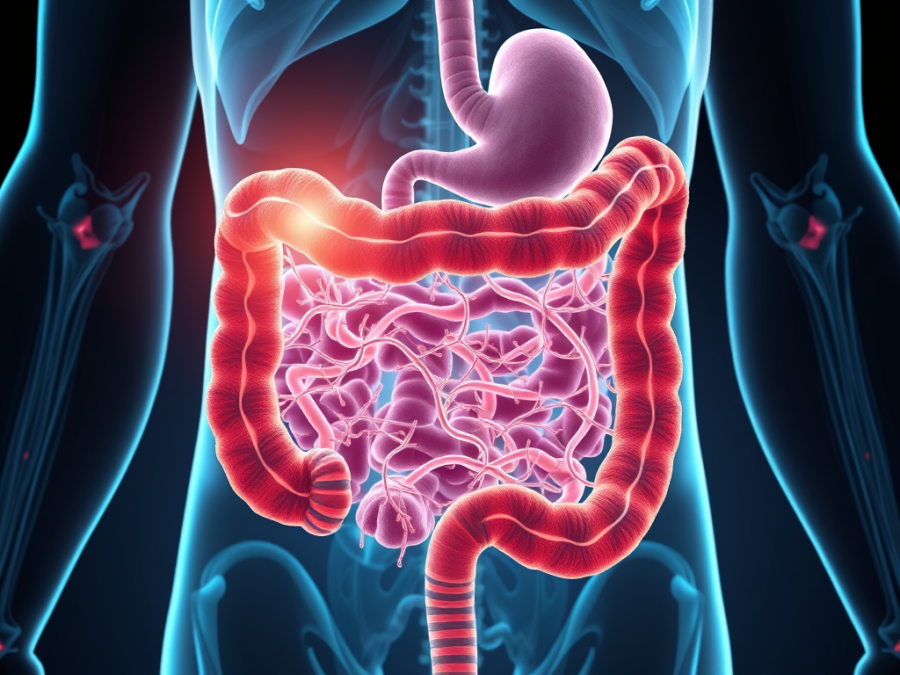
Consider what it actually contains. Its own nervous system, sometimes called the second brain. An endocrine system producing GLP-1, PYY, and ghrelin. A major site of immune defense. And constant interaction with the trillions of microbes living inside it. Together these systems determine how food gets processed, when fullness registers, and how glucose is regulated (Seeley et al., Cell Metab, 2015).

The gut-brain conversation is the powerful part. Signals move both directions. Hormones, nerve messages, and bacterial metabolites all feed into how the brain regulates appetite and metabolism. This is a large part of why simple calorie counting fails so often. The gut can override willpower, and the brain listens closely to what it says.

Bariatric surgery demonstrates the whole system in action. Vertical sleeve gastrectomy and Roux-en-Y gastric bypass do far more than reduce stomach size. They produce wide-reaching changes in gut physiology that explain why they work so well for weight loss and diabetes control. After surgery, GLP-1 rises, insulin sensitivity improves, food preferences shift, and bile acid metabolism changes. The gut barrier tightens, which reduces inflammation. Most striking of all, patients often defend a new, lower body weight afterward, which suggests the whole regulatory system has reset (Stefater et al., Gastroenterology, 2010). Bile acid signaling appears central to that reset, and it holds across procedures (Myronovych et al., Obesity, 2014).

Nutrient signaling changes too. Iron metabolism is altered after surgery, and the change has been linked to HIF-2α signaling pathways that also improve glucose handling and GLP-1 release (Evers et al., Cell Rep, 2022). Adaptations like that are hard to explain with mechanical restriction alone.

The microbiome is another piece. Surgery shifts bacterial composition toward communities associated with healthier metabolism, and barrier function improves alongside it. Molecules like Reg3g strengthen the gut lining, increasing mucus and reducing leakiness, which lowers systemic inflammation and metabolic stress (Shin et al., Cell Metab, 2022).

These insights point toward treatments that skip the operating room. GLP-1 receptor agonists reproduce some of the hormonal effects seen after bypass or sleeve. Bile acid modulators, microbiome therapies, and strategies targeting iron signaling are all under study as ways into the same pathways.

Seen this way, the gut is where the body decides how to use energy, how to balance hormones, and how to regulate immunity. For patients, that science explains why surgery and gut-focused medications can make such a difference. For clinicians, it suggests the most effective treatment plans will be the ones that respect what the gut is actually doing.

Scott Rennie, D.O.

References:

1. Seeley RJ, Chambers AP, Sandoval DA. The role of gut adaptation in the potent effects of multiple bariatric surgeries on obesity and diabetes. Cell Metab. 2015;21(3):369-378. https://pubmed.ncbi.nlm.nih.gov/25662404/

2. Stefater MA, et al. Sleeve gastrectomy induces loss of weight and fat mass in obese rats, but does not affect leptin sensitivity. Gastroenterology. 2010;138(7):2426-2436. https://pubmed.ncbi.nlm.nih.gov/20226189/

3. Myronovych A, et al. Vertical sleeve gastrectomy reduces hepatic steatosis while increasing serum bile acids in a weight-loss-independent manner. Obesity (Silver Spring). 2014;22(2):390-400. https://pubmed.ncbi.nlm.nih.gov/23847068/

4. Evers SS, et al. Cell Rep. 2022;38(11):110487.

5. Shin JH, et al. Cell Metab. 2022;34(5):747-761.e6.

Board Certified in Obesity Medicine and Family Medicine

This blog is for educational purposes only and does not constitute individual medical advice. Always consult your own physician before making changes to your health, medications, or treatment plan.

Eating Disorders in People With Obesity: Combining Care

Working with patients who struggle with obesity, I see how often excess weight and disordered eating overlap. The two get treated as separate problems, sometimes as opposites. Plenty of people live at the intersection, and ignoring that connection makes treatment less effective and occasionally harmful.

Eating disorders are psychiatric conditions in which eating patterns or related behaviors disrupt health or functioning (APA, DSM-5-TR, 2022). They affect people across all ages, genders, and body sizes. The DSM-5-TR describes anorexia nervosa, bulimia nervosa, binge eating disorder, avoidant or restrictive food intake disorder, and others. Each has distinct features. All carry real medical and psychological risk.

Binge eating disorder matters most in this conversation. It is the most common eating disorder in the United States. Patients describe episodes of eating large amounts with a loss of control, followed by guilt, shame, or depression, without the vomiting or other compensatory behaviors seen in bulimia. Lifetime prevalence runs around 0.85% of U.S. adults, with 12-month prevalence near 0.44% (Udo & Grilo, Biol Psychiatry, 2018; Hudson et al., Arch Gen Psychiatry, 2007). Among patients seeking behavioral weight loss treatment, roughly one in ten meet criteria (Chao et al., Obesity, 2017). Among adults presenting for bariatric surgery, meta-analytic estimates using DSM-5 criteria put it near 14% (Hilbert et al., Int J Eat Disord, 2020).

Why does this matter? Untreated binge eating disorder makes weight loss programs harder to sustain. Patients drop out more often, regain faster, and carry higher rates of depression, anxiety, and substance use. The metabolic toll shows up as more diabetes and hypertension. Identifying it early lets us adapt care, often by starting with cognitive behavioral therapy or another evidence-based treatment before any weight loss effort.

Eating disorders leave physical findings, and a fair number of them are visible on a video call. Dry skin, thinning hair, and the fine body hair of anorexia are all things a patient can show on camera. Parotid enlargement in bulimia is visible. Dental enamel erosion isn’t, and neither are the electrolyte abnormalities that matter most, which is where labs and a low threshold for in-person referral come in. Severe cases can develop life-threatening arrhythmias. Binge eating disorder is more often associated with metabolic changes, elevated liver enzymes and worsening insulin resistance. Psychiatric comorbidity is frequent across the whole spectrum, including depression, anxiety, PTSD, and ADHD (Hilbert et al., Psychol Med, 2014).

It is a mistake to think only thin patients have eating disorders. Many patients with obesity have restrictive patterns, obsessive food thoughts, or emotional eating cycles. I have seen patients try extreme diets, binge during periods of stress, then spiral into weight cycling. Others present with nutrient deficiencies despite high calorie intake. Body size rules an eating disorder neither in nor out.

Screening is where this gets caught. The SCOFF questionnaire and the Eating Disorder Screen for Primary Care are short and practical. Even plain questions about body image, eating patterns, or feeling out of control with food will surface problems. When the psychiatric history includes depression, trauma, or substance use, suspicion should go up.

Treatment requires integration. For binge eating disorder, first-line options include cognitive behavioral therapy, interpersonal therapy, and dialectical behavior therapy (Brownley et al., Ann Intern Med, 2016; Grilo et al., Curr Obes Rep, 2023). Lisdexamfetamine, SSRIs, and topiramate help some patients. These approaches reduce binge episodes and rarely produce significant weight loss, which is worth saying to patients directly so nobody is disappointed by a treatment that is working. Obesity care gets layered in once eating behaviors stabilize. Dietitians, primary care, psychiatry, and behavioral health need to be working the same case. Heavy emphasis on BMI or food rules can backfire by reinforcing disordered thinking.

Sequencing depends on the condition. In anorexia, the priority is weight restoration and psychiatric treatment, never weight reduction. For bulimia, obesity treatment waits until binge-purge behaviors are controlled. In binge eating disorder, obesity treatment can follow once episodes are reduced and things are stable. For ARFID, individual assessment guides the approach. In every case the eating disorder comes first while symptoms are active. Starting weight loss treatment too early worsens the disorder, damages trust, and blocks recovery (Mehler et al., J Eat Disord, 2011).

Recognizing that obesity and eating disorders coexist changes how we practice. It moves the focus from weight to whole-person health. Patients need care addressing both the physical and psychological sides, which means helping them repair their relationship with food and body while long-term medical outcomes improve.

Scott Rennie, D.O.

References:

1. American Psychiatric Association. Diagnostic and Statistical Manual of Mental Disorders, Fifth Edition, Text Revision (DSM-5-TR). 2022.

2. Udo T, Grilo CM. Prevalence and Correlates of DSM-5-Defined Eating Disorders in a Nationally Representative Sample of U.S. Adults. Biol Psychiatry. 2018;84(5):345-354. https://pubmed.ncbi.nlm.nih.gov/29859631/

3. Hudson JI, et al. The prevalence and correlates of eating disorders in the National Comorbidity Survey Replication. Arch Gen Psychiatry. 2007;61(3):348-358. https://pubmed.ncbi.nlm.nih.gov/16815322/

4. Chao AM, et al. Obesity (Silver Spring). 2017;25(4):713-720.

5. Hilbert A, et al. Meta-analysis on the long-term effectiveness of psychological and medical treatments for binge-eating disorder. Int J Eat Disord. 2020;53(9):1353-1376. https://pubmed.ncbi.nlm.nih.gov/32583527/

6. Hilbert A, et al. Psychol Med. 2014;44(15):3239-3250.

7. Brownley KA, et al. Binge-Eating Disorder in Adults: A Systematic Review and Meta-analysis. Ann Intern Med. 2016;165(6):409-420. https://pubmed.ncbi.nlm.nih.gov/27367316/

8. Grilo CM, et al. Curr Obes Rep. 2023.

9. Mehler PS, et al. J Eat Disord. 2011.

Board Certified in Obesity Medicine and Family Medicine

This blog is for educational purposes only and does not constitute individual medical advice. Always consult your own physician before making changes to your health, medications, or treatment plan.

Weight Loss Drug Side Effects and How Common They Are

As more patients start anti-obesity medications, the question that comes up most is about side effects. These drugs are powerful tools for weight loss and metabolic health. They aren’t without risk. Knowing what to expect and how to manage it often decides whether someone stays on treatment or quits in month two.

Gastrointestinal effects are the ones I hear about most. Nausea leads the list. In STEP 1, which studied semaglutide 2.4 mg in adults without diabetes, nausea affected 44.2% of participants against 17.4% on placebo (Wilding et al., NEJM, 2021). In SCALE, the corresponding trial of liraglutide 3.0 mg, nausea affected 40.2% versus 14.7% on placebo (Pi-Sunyer et al., NEJM, 2015). Those two trials are the source of most of the numbers in this post, and they studied different drugs. Smaller meals, avoiding high-fat food, and slow dose titration usually get patients through it.

Constipation and diarrhea both follow the same pattern, common early and improving with time. Hydration, added fiber, and sometimes a stool softener handle most constipation. Diarrhea occasionally warrants a dose adjustment. Rarely, delayed gastric emptying can progress toward obstruction, which presents as bloating, pain, and vomiting and needs prompt evaluation.

Pancreatitis is uncommon and serious. In SCALE, acute pancreatitis occurred in a small number of liraglutide patients and none on placebo, at an incidence around 0.3%. Severe abdominal pain radiating to the back with nausea and vomiting should trigger immediate discontinuation and workup.

Gallbladder disease is a real risk and it is mostly a consequence of the weight loss itself. In SCALE, cholelithiasis occurred in 1.5% of liraglutide patients versus 1.1% on placebo, and acute cholecystitis in 0.8% versus 0.4%. Rapid weight loss and changes in bile concentration are the likely mechanism, which means the risk travels with any effective therapy rather than with this drug class specifically.

Hypoglycemia is uncommon with GLP-1 receptor agonists used alone in patients without diabetes, because these drugs stimulate insulin secretion in a glucose-dependent way. Risk climbs sharply in combination with insulin or a sulfonylurea. That combination is where monitoring and dose adjustment of the background agent become necessary, and it is worth addressing before starting rather than after the first low reading.

Thyroid cancer risk is rare and gets asked about constantly. GLP-1 receptor agonists carry a boxed warning for medullary thyroid carcinoma based on rodent C-cell tumor data, and they are contraindicated in anyone with a personal or family history of medullary thyroid carcinoma or multiple endocrine neoplasia type 2. Human data haven’t established a causal link, and a widely publicized French case-control study reporting an association drew substantial methodological criticism in the same journal (Bezin et al., Diabetes Care, 2023). I tell patients the contraindication is firm and the population-level risk remains unproven.

Kidney injury is rare and usually a consequence of dehydration after vomiting or diarrhea rather than a direct drug effect. Pushing fluids during dose escalation is an easy preventive step.

Heart rate increases are reported as well. Resting heart rate can rise by roughly one to four beats per minute on semaglutide or tirzepatide. Palpitations should always be reported.

Pregnancy deserves its own conversation. These medications aren’t recommended during pregnancy, and semaglutide should be stopped at least two months before conception. There is also an interaction with oral contraceptives, since delayed gastric emptying affects absorption. For tirzepatide, patients on oral contraceptives should switch to a non-oral method or add a barrier method for four weeks after starting and for four weeks after each dose increase.

Injection site reactions occur in a small percentage of patients, usually three to five percent. Redness, swelling, and itching are the usual complaints, and rotating sites with good technique resolves most of it.

None of this means patients should avoid these medications. Awareness and early management are what keep people on treatment. I often tell patients to call me if nausea or constipation is interfering with their day-to-day life rather than waiting for the next follow-up. Small changes in dosing or diet usually make the drug tolerable again.

Anti-obesity medications work, and they need thoughtful monitoring. With open communication, most side effects are manageable and most patients stay on track.

Scott Rennie, D.O.

References:

1. Wilding JPH, et al. Once-Weekly Semaglutide in Adults with Overweight or Obesity (STEP 1). N Engl J Med. 2021;384(11):989-1002. https://pubmed.ncbi.nlm.nih.gov/33567185/

2. Pi-Sunyer X, et al. A Randomized, Controlled Trial of 3.0 mg of Liraglutide in Weight Management (SCALE). N Engl J Med. 2015;373(1):11-22. https://pubmed.ncbi.nlm.nih.gov/26132939/

3. Bezin J, et al. GLP-1 Receptor Agonists and the Risk of Thyroid Cancer. Diabetes Care. 2023;46(2):384-390. https://pubmed.ncbi.nlm.nih.gov/36356111/

Board Certified in Obesity Medicine and Family Medicine

This blog is for educational purposes only and does not constitute individual medical advice. Always consult your own physician before making changes to your health, medications, or treatment plan.

New Obesity Drugs Beyond Ozempic and Zepbound Explained

Obesity treatment is shifting fast. For years the standard toolkit was lifestyle counseling plus a handful of older medications. New drug classes now target the actual biology of the disease: hormonal signaling, metabolic rate, body composition. Three groups matter most right now. Nutrient-stimulated hormone-based therapies. Oral small molecule receptor agonists. And activin receptor pathway inhibitors.

NuSHs mimic or amplify the body’s own hormonal response to food. GLP-1 increases satiety, slows gastric emptying, and supports insulin secretion (Wilding et al., N Engl J Med, 2021). GIP regulates fat metabolism and glucose response (Frías et al., N Engl J Med, 2021). Amylin, co-secreted with insulin, works as its own satiety signal (Dehestani et al., J Obes Metab Syndr, 2021). PYY reduces appetite and energy intake (Schmidt et al., Am J Physiol Endocrinol Metab, 2014). Oxyntomodulin reduces intake too, and also raises energy expenditure (Wynne et al., Int J Obes, 2006).

Several drugs in this class are already in trials, and CagriSema pairs an amylin analogue with a GLP-1 receptor agonist, reducing body weight by 17.1 percent in 20 weeks in a Phase 1b trial, not Phase 3 (Enebo et al., Lancet, 2021). Survodutide, a GLP-1 and glucagon receptor agonist, produced weight loss of up to 18.7 percent over 46 weeks (Le Roux et al., Lancet Diabetes Endocrinol, 2024). Retatrutide, which hits GIP, GLP-1, and glucagon receptors together, produced a 24.2 percent reduction over 48 weeks in Phase 2 testing. Women lost about 28.5 percent of body weight, men about 21.9 percent (Jastreboff et al., N Engl J Med, 2023). Oral semaglutide at 50 mg reached 17.4 percent weight loss at 68 weeks, with 37 percent of participants losing more than a fifth of their body weight (Knop et al., Lancet, 2023). Mari-tide is still in Phase 2, with promising early results.

Small molecule receptor agonists are the other track, and their edge is simple: a pill instead of a needle. Orforglipron produced about 14.7 percent weight loss at 36 weeks, in range with the injectables (Wharton et al., N Engl J Med, 2023). Danuglipron is behind it. Early Phase 2 data, in patients with type 2 diabetes rather than obesity specifically, showed reduced appetite alongside improved glucose and weight outcomes (Saxena et al., Diabetes Obes Metab, 2023). Whether that holds up in an obesity-only population is still unclear.

Activin receptor pathway inhibitors take a different approach. They target pathways that preserve muscle while fat comes off, since traditional weight loss burns muscle right along with fat. These drugs try to change that ratio (Heymsfield et al., JAMA Netw Open, 2021).

Bimagrumab, a monoclonal antibody that blocks the activin type II receptor, reduced fat mass by 20.5 percent while increasing lean mass by 3.6 percent over 48 weeks in trials. Combine it with a GLP-1 drug like semaglutide or tirzepatide and the body-composition effect gets stronger still. Taldefgrobep, a myostatin inhibitor originally developed for Duchenne muscular dystrophy, is now being tested for obesity. SRK-439 is another myostatin-targeting antibody in development, aimed at fat loss without the lean-mass cost.

What sets these treatments apart is what the weight loss is made of: more muscle retained, metabolic markers that move too, alongside the pounds lost. That’s a real shift, for patients who may get more durable results and fewer complications, and for clinicians who get more tools to match therapy to the person in front of them.

Scott Rennie, D.O.

References:

Wilding JPH, et al. Once-Weekly Semaglutide in Adults with Overweight or Obesity. N Engl J Med. 2021;384:989-1002. PMID 33567185. https://pubmed.ncbi.nlm.nih.gov/33567185/

Frías JP, et al. Tirzepatide versus Semaglutide Once Weekly in Patients with Type 2 Diabetes (SURPASS-2). N Engl J Med. 2021. PMID 34170647. https://pubmed.ncbi.nlm.nih.gov/34170647/

Dehestani B, Stratford NR, le Roux CW. Amylin as a Future Obesity Treatment. J Obes Metab Syndr. 2021;30(4):320-325. PMID 34929674. https://pubmed.ncbi.nlm.nih.gov/34929674/

Schmidt JB, Gregersen NT, Pedersen SD, et al. Effects of PYY3-36 and GLP-1 on energy intake, energy expenditure, and appetite in overweight men. Am J Physiol Endocrinol Metab. 2014;306(11):E1248-56. PMID 24735885. https://pubmed.ncbi.nlm.nih.gov/24735885/

Wynne K, Park AJ, Small CJ, et al. Oxyntomodulin increases energy expenditure in addition to decreasing energy intake in overweight and obese humans: a randomised controlled trial. Int J Obes (Lond). 2006;30(12):1729-1736. PMID 16619056. https://pubmed.ncbi.nlm.nih.gov/16619056/

Enebo LB, Berthelsen KK, Kankam M, et al. Lancet. 2021;397:1736-1748. Phase 1b trial. PMID 33894838. https://pubmed.ncbi.nlm.nih.gov/33894838/

Le Roux CW, et al. Lancet Diabetes Endocrinol. 2024;12:162-173. PMID 38330987. https://pubmed.ncbi.nlm.nih.gov/38330987/

Jastreboff AM, et al. N Engl J Med. 2023;389:514-526. PMID 37366315. https://pubmed.ncbi.nlm.nih.gov/37366315/

Knop FK, et al. Lancet. 2023 (OASIS 1). PMID 37385278. https://pubmed.ncbi.nlm.nih.gov/37385278/

Wharton S, Blevins T, Connery L, et al. N Engl J Med. 2023;389:877-888. PMID 37351564. https://pubmed.ncbi.nlm.nih.gov/37351564/

Saxena AR, Frias JP, Brown LS, et al. Tolerability, safety and pharmacodynamics of oral, small-molecule GLP-1 receptor agonist danuglipron for type 2 diabetes. Diabetes Obes Metab. 2023. PMID 37311722. https://pubmed.ncbi.nlm.nih.gov/37311722/

Heymsfield SB, Coleman LA, Miller R, et al. Effect of Bimagrumab vs Placebo on Body Fat Mass Among Adults With Type 2 Diabetes and Obesity. JAMA Netw Open. 2021;4(1):e2033457. PMID 33439265. https://pubmed.ncbi.nlm.nih.gov/33439265/

Board Certified in Obesity Medicine and Family Medicine

This blog is for educational purposes only and does not constitute individual medical advice. Always consult your own physician before making changes to your health, medications, or treatment plan.
Why Is Losing Weight and Keeping It Off So Hard?

As a physician, one of the most common questions I hear from patients is, “Why is it so hard to lose weight and keep it off?” The answer sits in how the body protects its energy stores. What once kept humans alive through scarcity now works against us, in a world of constant food access. The brain runs this system. Understanding its role is where treatment has to start.

Fat storage was never a flaw. Our biology stores energy as fat because that protected our ancestors when food access was unpredictable. Without it, surviving famine would have been unlikely (Schwartz et al., Endocr Rev, 2017).

The brain monitors and regulates fat mass much like a thermostat, a concept called the defended fat mass, or set point, and when fat stores rise, the brain senses the change through hormones like leptin and insulin and responds by increasing energy use while dialing down appetite. When fat stores fall, the brain reads that as a threat. It lowers energy use and ramps up hunger to rebuild the reserve.

That’s why weight loss so often gets followed by regain. The body works to hold on to defended fat mass, and it works at it actively (Rosenbaum & Leibel, Int J Obes, 2010).

The trouble is that our environment no longer matches our biology. Calorie-dense processed food, disrupted sleep, chronic stress, and sedentary living push fat mass higher than what was historically defended. Over time, this reset drives obesity at the population level (Hall & Guo, Gastroenterology, 2017).

Obesity is best understood as a neurometabolic disease. The body does exactly what it was built to do here: protect its energy reserves. In the modern world, though, that defense turns harmful, raising the risk of diabetes, cardiovascular disease, and hypertension (Heymsfield & Wadden, N Engl J Med, 2017).

The real goal of treatment is to recalibrate the defended fat mass. When the brain adapts to a lower set point, weight loss follows without a running fight against hunger.

This is where medications enter. Phentermine reduces appetite by stimulating the nervous system. Topiramate cuts cravings and helps stabilize mood. Bupropion/naltrexone targets reward pathways to blunt food cravings. Liraglutide, a GLP-1 receptor agonist, increases satiety and slows digestion. Newer agents, semaglutide and tirzepatide chief among them, are highly effective GLP-1 receptor agonists that produce sustained weight loss (Wilding et al., N Engl J Med, 2021).

Not every medication works on the brain. Orlistat blocks fat absorption in the gut. It helps some patients, but it doesn’t touch defended fat mass, which caps its long-term effect (Yanovski & Yanovski, JAMA, 2014).

The core point: weight regulation is hardwired. Not chosen. Patients live inside a system where the brain works hard to preserve fat stores. Treatments that respect that biology work better than the ones that ignore it.

Scott Rennie, D.O.

References:

Hall KD, Guo J. Obesity Energetics: Body Weight Regulation and the Effects of Diet Composition. Gastroenterology. 2017;152(7):1718-1727. PMID 28193517. https://pubmed.ncbi.nlm.nih.gov/28193517/

Heymsfield SB, Wadden TA. Mechanisms, Pathophysiology, and Management of Obesity. N Engl J Med. 2017;376:254-266. PMID 28402780. https://pubmed.ncbi.nlm.nih.gov/28402780/

Rosenbaum M, Leibel RL. Adaptive thermogenesis in humans. Int J Obes (Lond). 2010;34 Suppl 1:S47-55. PMID 20935667. https://pubmed.ncbi.nlm.nih.gov/20935667/

Schwartz MW, et al. Obesity Pathogenesis: An Endocrine Society Scientific Statement. Endocr Rev. 2017;38:267-296. PMID 28898979. https://pubmed.ncbi.nlm.nih.gov/28898979/

Wilding JPH, et al. Once-Weekly Semaglutide in Adults with Overweight or Obesity. N Engl J Med. 2021;384:989-1002. PMID 33567185. https://pubmed.ncbi.nlm.nih.gov/33567185/

Yanovski SZ, Yanovski JA. Long-term Drug Treatment for Obesity: A Systematic and Clinical Review. JAMA. 2014;311:74-86. PMID 24231879. https://pubmed.ncbi.nlm.nih.gov/24231879/

Board Certified in Obesity Medicine and Family Medicine

This blog is for educational purposes only and does not constitute individual medical advice. Always consult your own physician before making changes to your health, medications, or treatment plan.

Weight Loss Medications for Kids and Adults Explained

As a physician, I know that treating obesity can be tough. Many families put in real effort with diet and exercise and still don’t see enough progress. When that happens, medication becomes worth discussing. Not for everyone. For the right patient, though, it can make a real difference.

Every price below reflects March 2025, when this was first written, and drug pricing in this class moves constantly, list price, cash price, and whatever a given insurer decides to cover can all diverge sharply, so treat every figure below as a historical marker rather than a current quote.

For children ages 12 and older, there are a few choices. Orlistat, brand name Xenical, blocks fat absorption in the gut. Because it stays in the digestive tract, it doesn’t touch appetite or the brain. The catch is side effects. Eat too much fat on this drug and a kid can get oily stools, gas, frequent bowel movements. A low-fat diet helps. It can still be uncomfortable. The price ran about $50 to $200 a month. The FDA cleared it for ages 12 and up.

Liraglutide, brand name Saxenda, is another option. It mimics a gut hormone called GLP-1, helping with appetite control and slowing stomach emptying. It’s effective, and it also helps blood sugar control, which matters if a patient has insulin resistance. But it requires daily injections, and nausea is common. Vomiting and diarrhea can happen too. Monthly cost usually fell between $1,200 and $1,500 a month. The FDA approved it for kids starting at age 12.

Phentermine combined with topiramate, sold as Qsymia, is approved for adolescents 12 and up who meet obesity criteria. Phentermine reduces appetite. Topiramate curbs cravings. Together they can produce substantial weight loss, especially in patients who struggle with binge eating. Side effects include dry mouth, dizziness, insomnia, and mood changes, and blood pressure and heart rate need regular checks. Cost averaged $200 to $300 a month.

Semaglutide, brand name Wegovy, is another GLP-1 receptor agonist, injected once weekly instead of daily. Clinical studies show it produces impressive weight loss. Side effects mirror other GLP-1 drugs: nausea, vomiting, diarrhea, abdominal pain, constipation. Out-of-pocket cost usually ran $1,300 to $1,600 a month. The FDA approved it for adolescents age 12 and up.

Setmelanotide, or Imcivree, is different from everything above. It targets rare genetic conditions that cause obesity, POMC, PCSK1, or LEPR deficiencies, by restoring hormonal signals that regulate hunger. It’s not meant for most patients, only those with a specific genetic diagnosis. For those who qualify, it can work well. The price tag was steep, though: about $16,000 a month.

For adults, the options broaden, and the prices below are again what things cost in March 2025, not today. Phentermine has been used for decades. It works on the central nervous system to suppress appetite, usually prescribed short-term and paired with diet and exercise. It can be effective, but it may cause insomnia, dry mouth, and a faster heart rate, and it isn’t safe for people with heart disease. The cost was low, around $30 to $60 a month.

Bupropion combined with naltrexone, sold as Contrave, takes a different approach. Bupropion affects brain chemistry to help with appetite and mood. Naltrexone reduces cravings. Some patients feel more energetic on it. Side effects can include nausea, dizziness, and insomnia. Mood changes are possible, so follow-up matters. Cost averaged $200 to $300 a month.

Tirzepatide, marketed as Mounjaro, is one of the newest medications. It activates both GLP-1 and GIP receptors, improving satiety and insulin sensitivity. Given as a weekly injection, it has shown striking results for weight loss. Nausea and diarrhea are the most common side effects, as with other drugs in this class. Costs ran high, around $1,000 to $1,500 a month. At publication it was FDA-approved for type 2 diabetes, not obesity, though already used off-label for weight loss.

A few points cut across all of these. Insurance coverage is unpredictable: some insurers won’t cover these drugs at all, others demand proof that lifestyle efforts were tried first. Close monitoring is essential, because side effects vary. None of these drugs replace healthy habits. They work best stacked on top of diet, activity, and behavior change.

For patients and families, the choices can feel like a lot. Knowing what’s actually available, and what each option costs and asks of you, helps match the right treatment to the right person.

Scott Rennie, D.O.

Sources:

Board Certified in Obesity Medicine and Family Medicine

This blog is for educational purposes only and does not constitute individual medical advice. Always consult your own physician before making changes to your health, medications, or treatment plan.