FAQ on Radiation Risk From Tsunami-Damaged Nuclear Plants
March 15, 2011 — Among the casualties of Japan’s earthquake/tsunami disaster were several nuclear power plants. Damage and failed cooling systems have raised the fears of a total meltdown.
There’s hope that a major nuclear disaster can be averted. But what are the risks from the radiation that already has been released — and from the radiation that could be released if containment efforts fail?
What does it mean for a nuclear energy plant to melt down?
“Meltdown” is not a technical term, but it vividly describes the worst-case scenario for a nuclear reactor.
Nuclear reactors generate power via controlled nuclear fission, which occurs when enough radioactive material is gathered into a critical mass. Control rods can separate the radioactive material, thus ending the nuclear reaction.
That’s exactly what happened when the March 11 earthquake hit Japan. Control rods effectively halted the nuclear reactions.
This means there is no danger of a nuclear blast from Japan’s damaged nuclear plants.
But the nuclear materials inside the reactors remain radioactive, which means they give off a great deal of heat. It takes days to cool these materials down, and spent fuel rods must be kept submerged in a cooling bath until their radioactivity decays and their intense temperature goes down.
If not cooled, these materials will melt. In a worst-case scenario, they could possibly melt right through the thick metal shield that contains the reactor, spilling highly radioactive materials into the environment.
When the tsunami hit Japan’s Fukushima Daiichi nuclear plant, three reactors lost power. That meant serious trouble, as the pumps needed to cool the overheated reactors with water stopped running when their battery backups were exhausted.
Nuclear reactors have two main containers that keep radioactive materials from spreading outside the plant. One container is the thick-walled building surrounding each reactor. The other is a thick metal vessel that makes up the outer wall of the reactor itself.
As water cools the fuel rods in the innermost container, steam is created. The intense heat also releases hydrogen from the water. If the pressure inside the container gets too high, the steam has to be vented. This releases some radioactivity. It also releases hydrogen, which can build up inside the building.
Three of the six buildings housing Fukushima Daiichi’s six reactors had hydrogen explosions. One, on March 14, injured 11 workers and could be felt for miles. However, the internal containment walls appear to remain intact. The third blast at unit 2 may have caused a small breach in the inner containment vessel, as radioactivity around the plant shot up to dangerous levels before going down.
How much radiation has escaped Japan’s damaged nuclear plants?
One of the emergency measures being taken to prevent a meltdown is the release of steam from the reactors. This means some radiation is released into the environment with each release of the high-pressure steam.
How much radiation has escaped Japan’s damaged nuclear plants? continued…
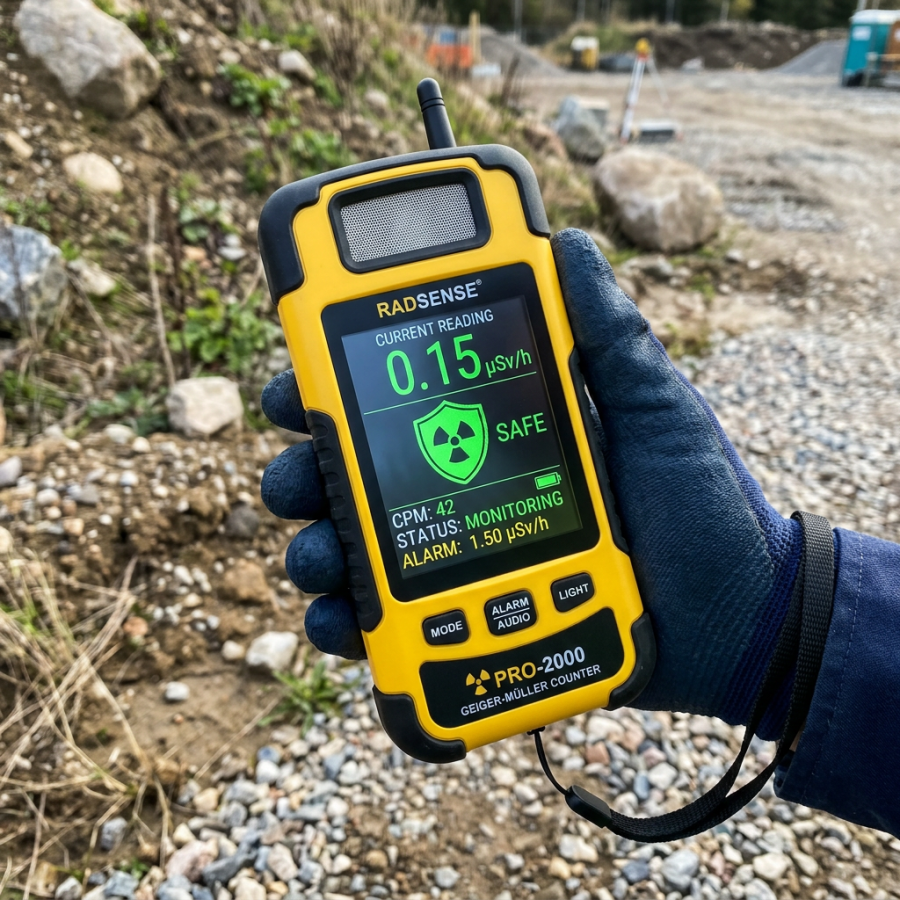
Japan’s nuclear energy agency reported on March 14 that measures of radiation outside the plant are higher than legal limits, but that they were not dangerously high. That changed on the morning of March 15, when radiation levels shot to 400 millisieverts per hour — well above the danger zone. Radiation levels then dropped to about 0.6 millisieverts per hour.
By comparison, a chest X-ray is 0.02 to 0.67 millisieverts. In a year, the typical U.S. resident is exposed to 3 millisieverts. A person who receives a short-term dose of 1,000 millisieverts will experience radiation sickness but probably will survive. Short-term doses of 2,000 to 10,000 millisieverts have an increasing probability of causing a fatal cancer.
Radiation levels in Tokyo are reported to be 20 times above normal but still not in the danger zone. However, a no-fly zone has been imposed for an 18-mile radius around the nuclear plant.
On March 14, officials ordered the evacuation of all residents living within 20 kilometers (about 12.5 miles) of the plant. On March 15 they advised people living between 20 kilometers and 30 kilometers (about 18.6 miles) to remain indoors. News reports indicate many of these residents are fleeing the area instead. Some 100,000 people are reported to be in the area.
Another radiation issue is in reactor 4, which had been shut down before the earthquake. Spent fuel rods still were cooling in the plant’s rooftop pool. That cooling system appears to be in trouble, as a fire was reported in the plant. Should these fuel rods become exposed, a large amount of radiation will be released. On March 15, plant officials were hoping to refill the pool via water dropped by helicopter.
For now, the chief radiation danger is to plant workers desperately trying to mitigate the disaster. Only a skeleton crew remains on site, threatened by radiation, fire, and hydrogen explosions.
One of the reactors, reactor 3, is said to be running on mixed-oxide (MOX) fuel. MOX fuel contains plutonium in far greater amounts than regular nuclear fuel and would be more toxic if released into the environment.
If the Japanese nuclear reactors melt down, how dangerous would it be?
Some of the workers trying to prevent a meltdown have already suffered
radiation sickness and injury from explosions related to hydrogen buildup outside the reactor core.
“The scariest outcome from such releases of radiation are the immediate effects, which are going to be only felt by personnel who have to go into the building and shut it down,” radiation biologist Jacqueline P. Williams, PhD, tells WebMD. Williams is a researcher in the department of radiation oncology at the University of Rochester, N.Y.
If the Japanese nuclear reactors melt down, how dangerous would it be? continued…
The long-term effects of radiation exposure, Williams says, are the various cancers that can occur.
The most cancers most commonly associated with radiation are
leukemia and cancers of the
thyroid, lung, and breast.
The worst nuclear disaster ever was in 1986 at the Chernobyl nuclear plant in northern Ukraine. This wasn’t the same kind of disaster as in Japan, as it was caused by a series of human and mechanical failures. The result was a series of explosions that shot a plume of radioactive materials into the air.
Fallout from Chernobyl fell heavily on Belarus, Russia, Ukraine, Finland, Norway, Sweden, Austria, and Bulgaria.
“The Chernobyl cloud technically covered a huge area. It did follow the jet stream and everything else,” Williams says. “But radioactive particles have substance, they have weight. The bigger the particle, the quicker it falls out of the cloud. So the contamination area where you have risks from contamination are relatively close to the disaster site. As far as I am aware, the cancers from Chernobyl radiation occurred in and around Chernobyl itself.”
However, radioactive iodine from the Chernobyl cloud fell on fields where it was absorbed by grass, eaten by cows, and drunk as milk by children. Until 1998, there was a significant increase in
thyroid cancer among children in the affected areas.
A meltdown in Japan would be devastating to the local environment. Should there be a release of radiation, and should winds blow in the wrong direction, residents of Japan would be affected to some degree. But the effects almost certainly will not go far beyond the borders of Japan.
Could radiation from Japan’s nuclear plants affect the U.S.?
No radiation from the Japan disaster is expected to hit the U.S., say experts from the Oregon State University department of radiation health physics.
“Any radioactive contaminants released will end up raining out of the atmosphere into the Pacific Ocean, where they will be diluted and absorbed, or in the very near vicinity of the plants,” Kathryn Higley, PhD, says in a news release. “This is not Chernobyl.”
Who is most at risk from radiation exposure?
Radiation risks are different for people at different stages of life:
- Radiation has harmful effects on child development.
- Radiation can induce cancers that appear years after an adult is exposed.
- Elderly people’s cells may have reduced ability to repair damage from radiation.
“Radiation research worldwide has been very much in decline, and has only received a little boost since 9/11,” Williams says. “In the past 10 to 20 years research has focused on medical radiation therapy and not on accidental or incidental exposure.”
According to Lisandro Irizarry, MD, chair of emergency medicine at The Brooklyn Hospital Center in New York, symptoms of acute radiation poisoning are
nauseaand vomiting. Other symptoms include fever,
dizziness, disorientation, and bloody
diarrhea. Symptom onset is quickest with the greatest radiation exposure.
What is the best way to prevent radiation exposure?
In the event of a nuclear accident, people living near nuclear power plants generally are provided with potassium iodine pills. That’s because radiation leaks tend to carry radioactive iodine. The pills load the thyroid gland with iodine and prevent uptake of radioactive molecules.
But the best way to prevent radiation exposure is to stay indoors, close the windows, and turn off external sources of air, such as air-conditioning, until the all-clear is given or until you can safely be evacuated from a contaminated area.
“Contamination from fallout comes from touching a contaminated surface, from it falling, from inhaling it, or ingesting it,” Williams says. “So in case of an event, be sure to drink bottled water and eat only sealed food that has not been outside.”
Scott Rennie, D.O.
Board Certified in Obesity Medicine and Family Medicine
This blog is for educational purposes only and does not constitute individual medical advice. Always consult your own physician before making changes to your health, medications, or treatment plan.


 Radiation that is 5,000 times lower than a level of concern set by the U.S. Food and Drug Administrion was detected in milk from Spokane last week, federal and state officials said Monday.
Radiation monitoring in the United States has been increased because of the earthquake and tsunami which struck Japan on March 11 and damaged that country’s nuclear facilities, the U.S. Environmental Protection Agency and FDA said in a joint statement.
After consulting with specialists, Gov. Chris Gregoire deemed the state milk as safe to drink. “This morning I spoke with the chief advisors for both the EPA and the FDA and they confirmed that these levels are miniscule and are far below levels of public health concern, including for infants and children,” she said in a statement.
“According to them, a pint of milk at these levels would expose an individual to less radiation than would a five hour airplane flight.”
The milk sample was taken on March 25 and was found to have 0.8 pCi/L of iodine-131, federal officials said.
They added that the findings were expected and could continue in the coming days. The level of radiation in milk is expected to drop quickly because Iodine-131’s half-life lasts about eight days, they said in their statement.
“Radiation is all around us in our daily lives, and these findings are a miniscule amount compared to what people experience every day,” Patricia Hansen, a senior scientist with the FDA said in a statement.
“For example, a person would be exposed to low levels of radiation on a round trip cross country flight, watching television, and even from construction materials.”
State officials, Gregoire said, will continue to work with the federal government to monitor for radiation. “At no point have detection levels come close to levels of concern,” she said.
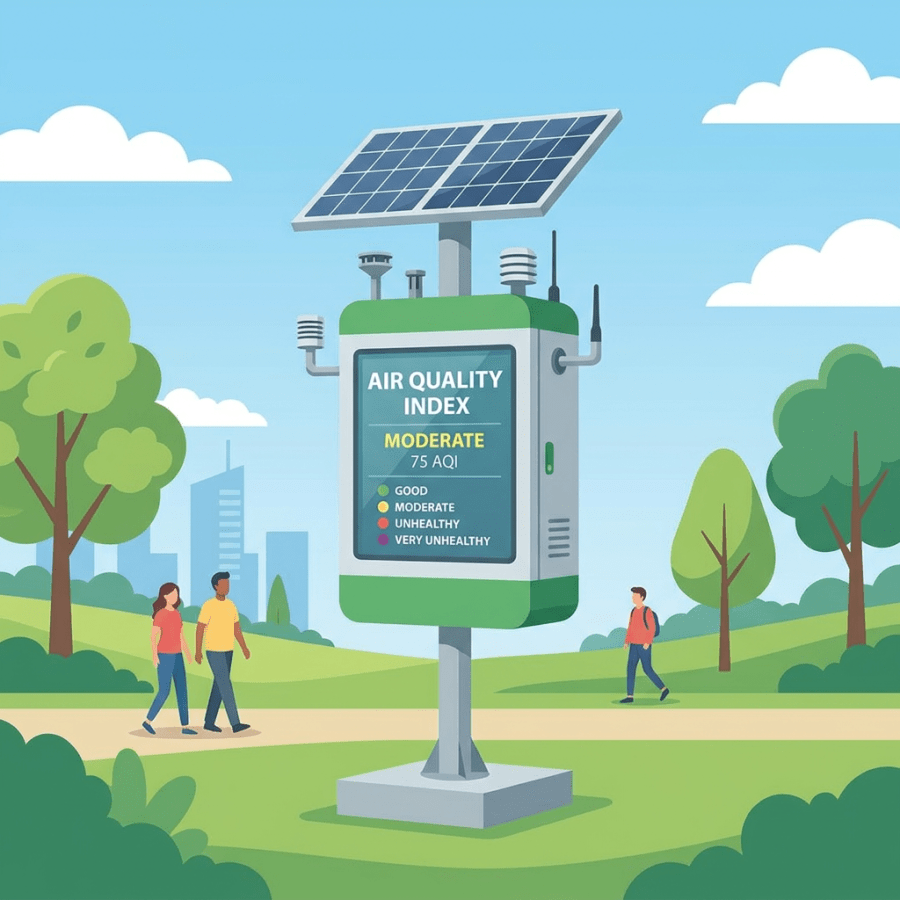
On March 21, the state Department of Health reported that radiation from Japan had been detected by an air monitor in Seattle. That radiation was so miniscule that it did not pose a health threat, officials said.
Radiation that is 5,000 times lower than a level of concern set by the U.S. Food and Drug Administrion was detected in milk from Spokane last week, federal and state officials said Monday.
Radiation monitoring in the United States has been increased because of the earthquake and tsunami which struck Japan on March 11 and damaged that country’s nuclear facilities, the U.S. Environmental Protection Agency and FDA said in a joint statement.
After consulting with specialists, Gov. Chris Gregoire deemed the state milk as safe to drink. “This morning I spoke with the chief advisors for both the EPA and the FDA and they confirmed that these levels are miniscule and are far below levels of public health concern, including for infants and children,” she said in a statement.
“According to them, a pint of milk at these levels would expose an individual to less radiation than would a five hour airplane flight.”
The milk sample was taken on March 25 and was found to have 0.8 pCi/L of iodine-131, federal officials said.
They added that the findings were expected and could continue in the coming days. The level of radiation in milk is expected to drop quickly because Iodine-131’s half-life lasts about eight days, they said in their statement.
“Radiation is all around us in our daily lives, and these findings are a miniscule amount compared to what people experience every day,” Patricia Hansen, a senior scientist with the FDA said in a statement.
“For example, a person would be exposed to low levels of radiation on a round trip cross country flight, watching television, and even from construction materials.”
State officials, Gregoire said, will continue to work with the federal government to monitor for radiation. “At no point have detection levels come close to levels of concern,” she said.
On March 21, the state Department of Health reported that radiation from Japan had been detected by an air monitor in Seattle. That radiation was so miniscule that it did not pose a health threat, officials said.


 Doctor Rennie's Blog