
 The information listed below is a smattering of information gained from real life experience, Wilderness Medicine Conferences, and is mostly credited to Gene Allred, MD a very experienced physician and world traveler.
Two major categories for foreign travelers:
A) The senior traveler (age 65 and above) who have the resources to travel and may have a bucket list. They have chronic medical conditions and in many foreign countries, access to medical care and medications is more difficult. Think about access – i.e. there is probably not a wheelchair ramp available in many areas. Bring your medications. I don’t know how many times I’ve had patients travel here to Hawaii and not bring enough of their blood pressure medications with them, and I’m sure it happens when the go other places too. Many seniors may might not get altitude sickness but may have cardiac strain from lower levels of oxygen or increased physical exertion. Plan accordingly.
B) The adventure/exotic traveler (all ages) who tend to participate in more dangerous activities – mountain climbing, rock climbing, wilderness expeditions like kayaking the Nile river, etc. These travelers have a higher incidence of trauma from MVA or injury from their activities. Homicides in some areas may be more of a problem than an MVA. We don’t think twice about putting on our seatbelt when we get in a car here in the USA, so don’t get in a taxi or bus without a seatbelt (the roads are often worse in other countries and there may be less lighting and more people). If you do get into an MVA abroad, the medical care is probably not going to be as good as you would get in first world countries.
Causes of death in foreign travelers:
1) Almost 50% are from heart attacks and strokes, the other 50% is from trauma (motor vehicle accidents, drowning, falls and homicide) – also be aware that most counties outside of the US, Canada, Australia, New Zealand, Europe and Japan don’t screen their blood for HIV or Hepatitis C.
2) Only 1% of death in foreign travel results from Infectious disease
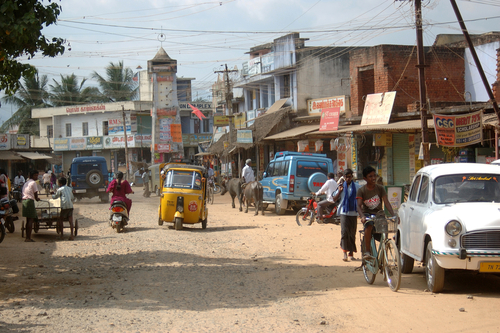
Most dangerous aspect for foreign travel: Motor Vehicle Accidents – account for 25% of fatalities of U.S. travelers. In Langos, Nigeria buses are called danfos “flying coffins.” The rate of motor vehicle deaths compared to the USA:
1) Sri Lanka – 23x more deaths from MVA than USA
2) Turkey – 44x more deaths from MVA than USA
3) China has 2% of the worlds driver’s and 15% of the fatalities – WHO 2007
4) In Ghana 722 drivers were selected at random and 21% had blood alcohol level >80 mg/dl; 4% of the bus drivers had this level. 70% of the trauma patients here are transported by taxi or bus, and 22% and transported by private vehicle. 5% are transported by police and only 3% of trauma victims are transported by ambulance.
In the USA, 60% of the motor vehicle crash deaths occur among the drivers. In the 3rd world countries, 90% occur among passengers, pedestrians and cyclists. Urban pedestrians account for 50-70% of the deaths due to motor vehicle accident.
In contrast, the leading cause of injury/illness in foreign travel is infectious disease. Up to 75% of travelers become ill from infectious disease, however only 1% of the deaths of international travelers are from infectious disease.
Recommendation: Before you travel, consult your physician, CDC or travel clinic. Let your medical provider know the type of activities you are planning including whether going to a remote region, participating in a strenuous activity (cycling, mountain climbing, swimming in fresh water, or diving, etc.)
Resources:
http://www.travelhealthassist.com
http://www.cdc.gov/travel
http://travel.state.gov/travel/tips/safety/safety_1747.html
Everyone needs Hepatitis A immunization when traveling to a high endemic area.
Hepatitis A and B vaccinations are a lifetime investment.
There are stories about bogus drugs and dirty needles used in certain areas.
New Delhi, India (CNN) 2/21/09 –
“Authorities were carrying out raids in India’s western Gujarat state for bogus drugs and recycled syringes after a hepatitis B outbreak left 32 people dead, officials said Saturday.”
* Five medical practitioners were also arrested for violations
* One arrested for reusing injection syringes
* 111 cases of hepatitis B in the district over two weeks with 32 dead
I’m not saying that you should bring your own needles when traveling, but the news report above is frightening.
Before your travel, consider the following:
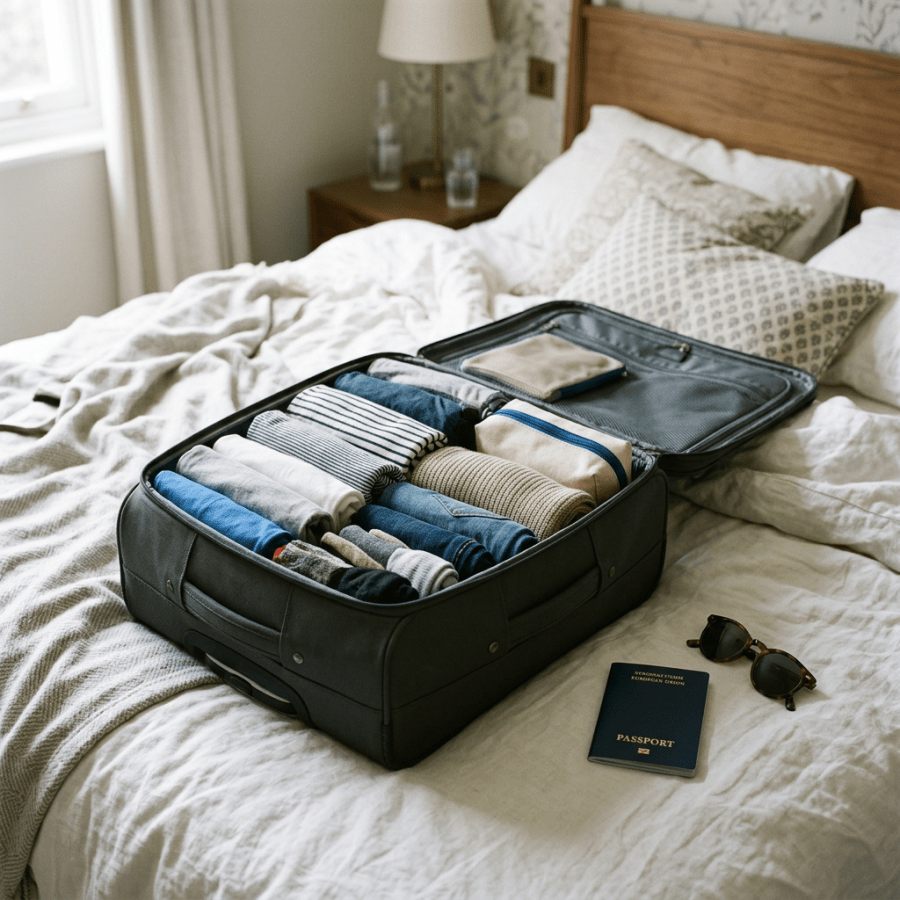
1) Plan at least three months ahead (buy your tickets, look into what visas you might need, if there a restrictions and plan what to bring with you).
2) Look at the CDC website – http://www.cdc.gov/travel and study up on where you are going and what diseases you need to be protected against.
3) Get excellent travel insurance – there are many companies that offer this – International SOS is one of them https://www.internationalsos.com/en/. Read the fine print and make sure the company that you go with doesn’t say something like “will evacuate to most appropriate facility” and something more specific like “Will evacuate to USA, Canada, Japan, Australia, New Zealand, or Europe”
4) Decide what medical resources are available in the foreign country
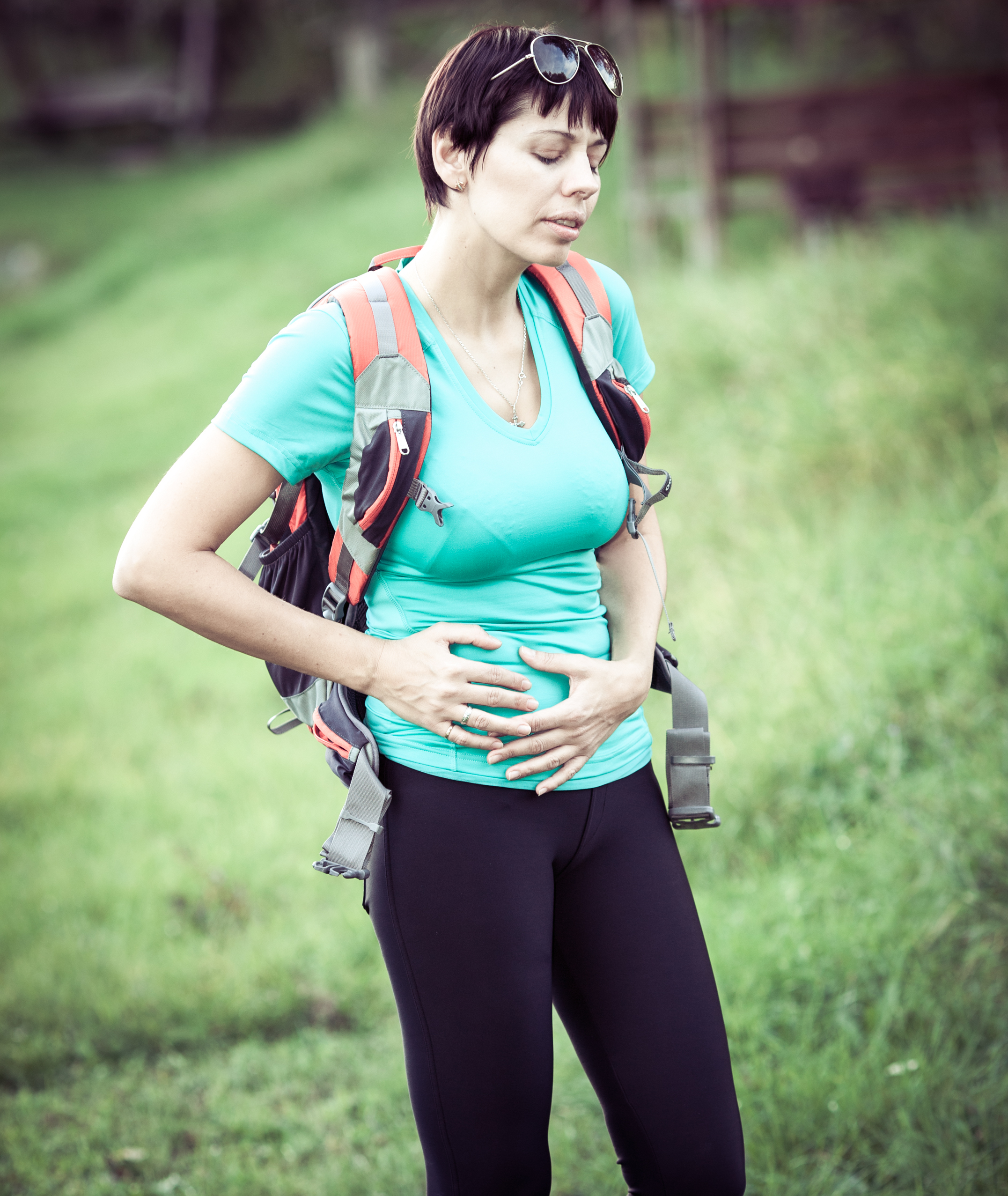
5) Plan for diarrheal illness – bring antibiotics (sometimes you might take prophylaxis) and medications to help slow the bowls such as Imodium.
6) How will I get around while there? Avoid car crashes – don’t get on a crowded bus, a motorcycle or scooter. Wear your seatbelt!
7) Stay sober when out in public – you are more of a helpless target if you’re drunk. If you drink – do it in the hotel where it’s safer.
8) Don’t look rich – avoid wearing fancy jewelry/watches or you’ll look like a good target.
9) Problems of counterfeit drugs – i.e. take own medications
10) Take a copy of your medical history/prescriptions, driver’s license, passport and visas. Leave one copy at home with a friend and bring the original and one copy with you.
11) Consider the season you are traveling in when going to a foreign country i.e. rainy vs. dry. In malaria endemic regions, this may dramatically influence your risk
12) Traveling in motor vehicles at night in third world countries substantially increases your risks of injury or death
13) Acclimatize yourself to the altitude
14) Bring sunblock
15) Think about heat exposure
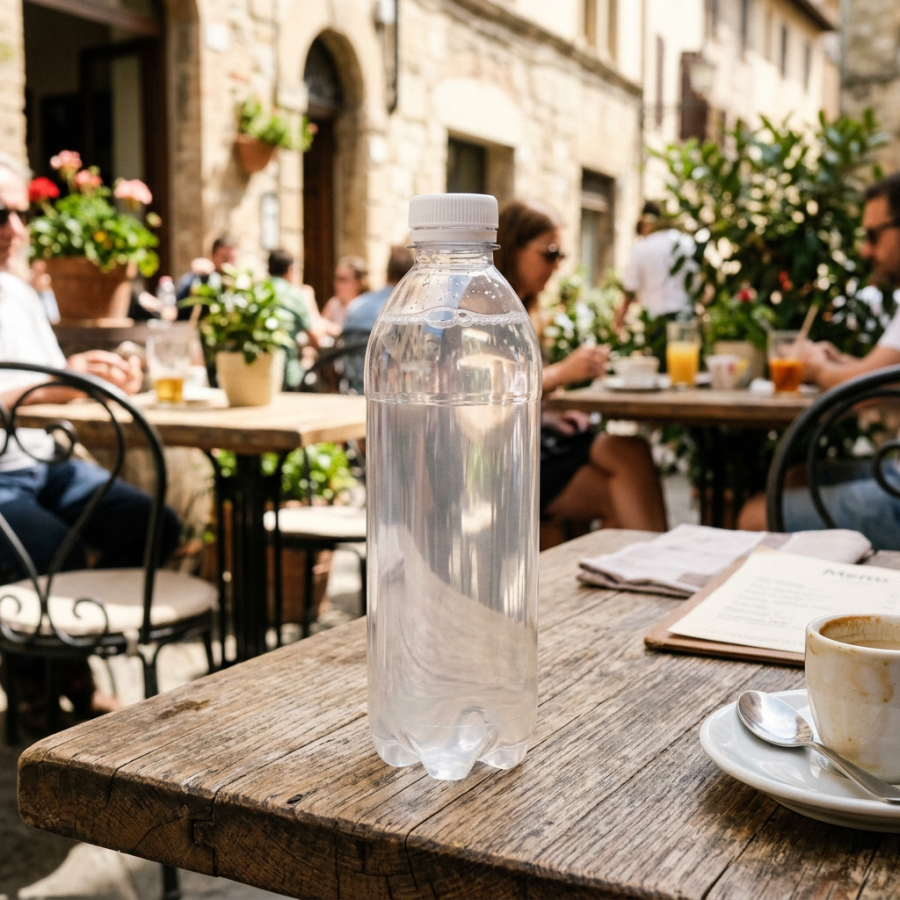
16) Take drinking water precautions (chlorine dioxide, etc.)
17) Be wary of swimming in fresh water or going barefooted – consider infections due to Schistosomiasis, Leptosirosis or Cryptosporidium
18) Think about safety/security – 9% of U.S. travel fatalities are due to homicide. 9000 homicides in Sao Paulo in 1999, compared with 700 in New York City.
19) Avoid dangerous situations – khakis = N. American, avoid going out alone at night, don’t wear expensive jewelry, carry no more cash than you need for the day and don’t flash roll of bills. Use a hotel safe when available. Fanny packs and purses are “one-stop” shopping targets – be aware of “slash and grab.” Don’t accept food from strangers – “drug and rob scam,” Beware of “spilled food scam” (e.g. mustard), use licensed taxis over unlicensed taxis. Scan your passport and then email it to yourself so you’ll be able to retrieve a copy.
20) Protect yourself from insects – Dengue fever, Malaria (1-2 million deaths/year), West Nile Virus, etc. The higher the concentration of DEET, the longer lasting it is – 99% DEET = 10 hours, 30% DEET is safe in kids down to 2 months of age. DEET + Permethrin is > 99% effective. Most malaria is Chloroquine resistant. Three drugs of choice for malaria are Mefloquine, doxycycline and malarone (primaquine is 2nd line option).
21) The unexpected usually happens. Accept the things that are beyond your control. Resign yourself to the fact that your luggage will be lost, your hotel reservations will be canceled, and your last flight out will leave without you. They key is to then decide what you are going to do about it. No matter how bad you think things are now, they can always get worse. Always have a contingency plan. Research alternative travel arrangements such as accommodations, research climate, local health risks, etc. Instead of letting problems accumulate, deal with each challenge “head on.” Work to “fix” one problem at a time and then move on to the next.
If you are interested in learning more about wilderness medicine, a great resource for information is the wilderness medicine society: http://www.wms.org/
I hope that you have found this information useful. Wishing you the best of health,
The information listed below is a smattering of information gained from real life experience, Wilderness Medicine Conferences, and is mostly credited to Gene Allred, MD a very experienced physician and world traveler.
Two major categories for foreign travelers:
A) The senior traveler (age 65 and above) who have the resources to travel and may have a bucket list. They have chronic medical conditions and in many foreign countries, access to medical care and medications is more difficult. Think about access – i.e. there is probably not a wheelchair ramp available in many areas. Bring your medications. I don’t know how many times I’ve had patients travel here to Hawaii and not bring enough of their blood pressure medications with them, and I’m sure it happens when the go other places too. Many seniors may might not get altitude sickness but may have cardiac strain from lower levels of oxygen or increased physical exertion. Plan accordingly.
B) The adventure/exotic traveler (all ages) who tend to participate in more dangerous activities – mountain climbing, rock climbing, wilderness expeditions like kayaking the Nile river, etc. These travelers have a higher incidence of trauma from MVA or injury from their activities. Homicides in some areas may be more of a problem than an MVA. We don’t think twice about putting on our seatbelt when we get in a car here in the USA, so don’t get in a taxi or bus without a seatbelt (the roads are often worse in other countries and there may be less lighting and more people). If you do get into an MVA abroad, the medical care is probably not going to be as good as you would get in first world countries.
Causes of death in foreign travelers:
1) Almost 50% are from heart attacks and strokes, the other 50% is from trauma (motor vehicle accidents, drowning, falls and homicide) – also be aware that most counties outside of the US, Canada, Australia, New Zealand, Europe and Japan don’t screen their blood for HIV or Hepatitis C.
2) Only 1% of death in foreign travel results from Infectious disease
Most dangerous aspect for foreign travel: Motor Vehicle Accidents – account for 25% of fatalities of U.S. travelers. In Langos, Nigeria buses are called danfos “flying coffins.” The rate of motor vehicle deaths compared to the USA:
1) Sri Lanka – 23x more deaths from MVA than USA
2) Turkey – 44x more deaths from MVA than USA
3) China has 2% of the worlds driver’s and 15% of the fatalities – WHO 2007
4) In Ghana 722 drivers were selected at random and 21% had blood alcohol level >80 mg/dl; 4% of the bus drivers had this level. 70% of the trauma patients here are transported by taxi or bus, and 22% and transported by private vehicle. 5% are transported by police and only 3% of trauma victims are transported by ambulance.
In the USA, 60% of the motor vehicle crash deaths occur among the drivers. In the 3rd world countries, 90% occur among passengers, pedestrians and cyclists. Urban pedestrians account for 50-70% of the deaths due to motor vehicle accident.
In contrast, the leading cause of injury/illness in foreign travel is infectious disease. Up to 75% of travelers become ill from infectious disease, however only 1% of the deaths of international travelers are from infectious disease.
Recommendation: Before you travel, consult your physician, CDC or travel clinic. Let your medical provider know the type of activities you are planning including whether going to a remote region, participating in a strenuous activity (cycling, mountain climbing, swimming in fresh water, or diving, etc.)
Resources:
http://www.travelhealthassist.com
http://www.cdc.gov/travel
http://travel.state.gov/travel/tips/safety/safety_1747.html
Everyone needs Hepatitis A immunization when traveling to a high endemic area.
Hepatitis A and B vaccinations are a lifetime investment.
There are stories about bogus drugs and dirty needles used in certain areas.
New Delhi, India (CNN) 2/21/09 –
“Authorities were carrying out raids in India’s western Gujarat state for bogus drugs and recycled syringes after a hepatitis B outbreak left 32 people dead, officials said Saturday.”
* Five medical practitioners were also arrested for violations
* One arrested for reusing injection syringes
* 111 cases of hepatitis B in the district over two weeks with 32 dead
I’m not saying that you should bring your own needles when traveling, but the news report above is frightening.
Before your travel, consider the following:
1) Plan at least three months ahead (buy your tickets, look into what visas you might need, if there a restrictions and plan what to bring with you).
2) Look at the CDC website – http://www.cdc.gov/travel and study up on where you are going and what diseases you need to be protected against.
3) Get excellent travel insurance – there are many companies that offer this – International SOS is one of them https://www.internationalsos.com/en/. Read the fine print and make sure the company that you go with doesn’t say something like “will evacuate to most appropriate facility” and something more specific like “Will evacuate to USA, Canada, Japan, Australia, New Zealand, or Europe”
4) Decide what medical resources are available in the foreign country
5) Plan for diarrheal illness – bring antibiotics (sometimes you might take prophylaxis) and medications to help slow the bowls such as Imodium.
6) How will I get around while there? Avoid car crashes – don’t get on a crowded bus, a motorcycle or scooter. Wear your seatbelt!
7) Stay sober when out in public – you are more of a helpless target if you’re drunk. If you drink – do it in the hotel where it’s safer.
8) Don’t look rich – avoid wearing fancy jewelry/watches or you’ll look like a good target.
9) Problems of counterfeit drugs – i.e. take own medications
10) Take a copy of your medical history/prescriptions, driver’s license, passport and visas. Leave one copy at home with a friend and bring the original and one copy with you.
11) Consider the season you are traveling in when going to a foreign country i.e. rainy vs. dry. In malaria endemic regions, this may dramatically influence your risk
12) Traveling in motor vehicles at night in third world countries substantially increases your risks of injury or death
13) Acclimatize yourself to the altitude
14) Bring sunblock
15) Think about heat exposure
16) Take drinking water precautions (chlorine dioxide, etc.)
17) Be wary of swimming in fresh water or going barefooted – consider infections due to Schistosomiasis, Leptosirosis or Cryptosporidium
18) Think about safety/security – 9% of U.S. travel fatalities are due to homicide. 9000 homicides in Sao Paulo in 1999, compared with 700 in New York City.
19) Avoid dangerous situations – khakis = N. American, avoid going out alone at night, don’t wear expensive jewelry, carry no more cash than you need for the day and don’t flash roll of bills. Use a hotel safe when available. Fanny packs and purses are “one-stop” shopping targets – be aware of “slash and grab.” Don’t accept food from strangers – “drug and rob scam,” Beware of “spilled food scam” (e.g. mustard), use licensed taxis over unlicensed taxis. Scan your passport and then email it to yourself so you’ll be able to retrieve a copy.
20) Protect yourself from insects – Dengue fever, Malaria (1-2 million deaths/year), West Nile Virus, etc. The higher the concentration of DEET, the longer lasting it is – 99% DEET = 10 hours, 30% DEET is safe in kids down to 2 months of age. DEET + Permethrin is > 99% effective. Most malaria is Chloroquine resistant. Three drugs of choice for malaria are Mefloquine, doxycycline and malarone (primaquine is 2nd line option).
21) The unexpected usually happens. Accept the things that are beyond your control. Resign yourself to the fact that your luggage will be lost, your hotel reservations will be canceled, and your last flight out will leave without you. They key is to then decide what you are going to do about it. No matter how bad you think things are now, they can always get worse. Always have a contingency plan. Research alternative travel arrangements such as accommodations, research climate, local health risks, etc. Instead of letting problems accumulate, deal with each challenge “head on.” Work to “fix” one problem at a time and then move on to the next.
If you are interested in learning more about wilderness medicine, a great resource for information is the wilderness medicine society: http://www.wms.org/
I hope that you have found this information useful. Wishing you the best of health,
Scott Rennie, D.O.
Board Certified in Obesity Medicine and Family Medicine
This blog is for educational purposes only and does not constitute individual medical advice. Always consult your own physician before making changes to your health, medications, or treatment plan.
 Doctor Rennie's Blog