
How Much Exercise Do You Need to Lose Weight?

Patients ask me all the time how much exercise really matters for weight loss. The honest answer is that it depends on what they are trying to do. Losing weight quickly, keeping it off, and staying healthy are three different goals, and exercise performs very differently against each one.

On one point the research is not ambiguous. Exercise on its own rarely produces large weight loss. Most trials show modest changes, roughly half a kilogram to three kilograms, and that is in people putting in 180 to 270 minutes a week (Jakicic et al., 2019). Below 150 minutes, most people do not lose much at all. I see the same thing on my schedule. Patients who start walking three times a week often feel noticeably better while the scale barely moves, and that gap is worth naming out loud before they get discouraged by it.

None of which makes exercise optional. It is among the best tools we have for preventing regain. Long-term data show that people sustaining higher volumes, often north of 250 minutes a week, are considerably more likely to hold onto a 10 percent loss (Jakicic et al., 2014). That is where the real return sits.

Paired with dietary change, the numbers improve. Adding exercise to calorie restriction increases short-term loss by about 20 to 25 percent over diet alone (Wing et al., 1998; Goodpaster et al., 2010). I had a patient who was cutting calories carefully and getting almost nothing for it until she added regular cycling. With both together she lost roughly twice as much and held it considerably longer.

Type and volume both matter. For general health, 150 minutes of moderate activity a week is the baseline. For meaningful weight loss, 250 to 300 minutes is closer to what is needed. For maintenance, somewhere in the 200 to 300 range seems to work. None of this requires a gym. Walking, yard work, and even light activity like standing or slow walking accumulate, and a 2021 doctoral dissertation found that increasing light-intensity activity independently predicted weight loss at both 6 and 12 months (Jackson, 2021).

Practically, I tell patients to start from where they actually are. Adding steps, breaking up long stretches of sitting, and picking something they do not dread produces more consistency than any prescribed routine they will abandon in a month. Thirty to sixty minutes on most days works whether it comes in one block or four. And if weight loss is the goal, it has to be paired with dietary change; exercise alone will disappoint them.

Exercise is not a shortcut to weight loss, and patients who come in expecting it to be will be let down. What it does do is keep lost weight off, improve metabolic health, and protect function as people age. Move more, sit less, keep going.

Scott Rennie, D.O.

References

Jakicic JM et al. Physical Activity and the Prevention of Weight Gain in Adults: A Systematic Review. Med Sci Sports Exerc. 2019;51(6):1262-1269.

Jakicic JM et al. Obesity. 2014;22:2284-2292.

Goodpaster BH et al. JAMA. 2010;304(16):1795-1802.

Wing RR et al. Am J Clin Nutr. 1998;67(3):551-558.

Physical Activity Guidelines Advisory Committee. 2018 Scientific Report.

Jackson R. Doctoral dissertation, 2021.

Board Certified in Obesity Medicine and Family Medicine

This blog is for educational purposes only and does not constitute individual medical advice. Always consult your own physician before making changes to your health, medications, or treatment plan.
Why Exercise Matters for Obesity Beyond Weight Loss

When we counsel patients about obesity management, one of the most common misconceptions is that exercise by itself is the best way to lose weight. On video visits, patients often tell me they’ve started walking every day or signed up for the gym, expecting big changes in their weight within weeks. Sometimes even clinicians lean into that belief. But the data consistently show that diet has a much stronger impact on weight loss than exercise alone.

That doesn’t mean physical activity isn’t important. Far from it. The average weight loss from exercise alone is modest, usually around two to three kilograms. Add diet changes, and outcomes improve significantly. Patients who combine both tend to lose more weight and, more importantly, keep it off better.

The role of exercise extends well beyond weight loss itself. It preserves lean body mass, lowers blood pressure, improves cholesterol, and supports long-term physical function. Pharmacotherapy shows the same pattern: medications can drive the weight loss, but adding structured activity makes the results more sustainable.

The type of activity matters. Aerobic exercise, walking, cycling, swimming, drives calorie expenditure, but resistance training helps maintain or build muscle, which matters most when calories are reduced. The combination works best. Most recommendations center around 150 minutes of moderate-intensity activity per week, which can mean brisk walking 30 minutes a day, five days a week. Some patients prefer high-intensity interval training because it takes less time, though not everyone tolerates it well. For beginners, discomfort and injury risk run higher, so starting gradually makes sense.

It’s important to manage expectations. When a patient logs on discouraged because an exercise program hasn’t led to major weight loss, that’s a teaching moment. Diet has to be part of the plan too, and exercise alone was never going to get there. Once patients understand that, they’re more willing to combine strategies instead of giving up.

Adherence and enjoyment are often the deciding factors. People stay consistent when they choose activities they actually like. One patient may thrive on group classes, another prefers solitary walks with a podcast. Both approaches work, if they’re done regularly.

Daily habits outside the gym matter too. Non-exercise activity thermogenesis, or NEAT, is the energy used in everyday movement: standing during phone calls, walking instead of driving short distances, taking the stairs instead of the elevator, plus gardening, housework, walking a dog, small things patients can relate to. Increasing NEAT can meaningfully raise daily calorie burn without feeling like a formal workout.

For us as providers, diet drives most of the weight loss, but physical activity is essential for maintaining it and for overall health. Framing it this way helps patients set realistic expectations while reinforcing that movement stays a regular part of life.

Reference:

Swift DL, McGee JE, Earnest CP, Carlisle E, Nygard M, Johannsen NM. The Effects of Exercise and Physical Activity on Weight Loss and Maintenance. Prog Cardiovasc Dis. 2018;61(2):206-213. https://pubmed.ncbi.nlm.nih.gov/30003901/

Scott Rennie, D.O.

Board Certified in Obesity Medicine and Family Medicine

This blog is for educational purposes only and does not constitute individual medical advice. Always consult your own physician before making changes to your health, medications, or treatment plan.

Hip Pain on the Side: Greater Trochanteric Bursitis Explained

Lateral hip pain that lingers and gets in the way of ordinary activity comes up constantly in my practice. One of the usual culprits is greater trochanteric bursitis, or GTB. It frustrates patients, partly because it takes a while to get named correctly. It gets called arthritis. It gets called a back problem. Catching it early changes how the whole thing goes.

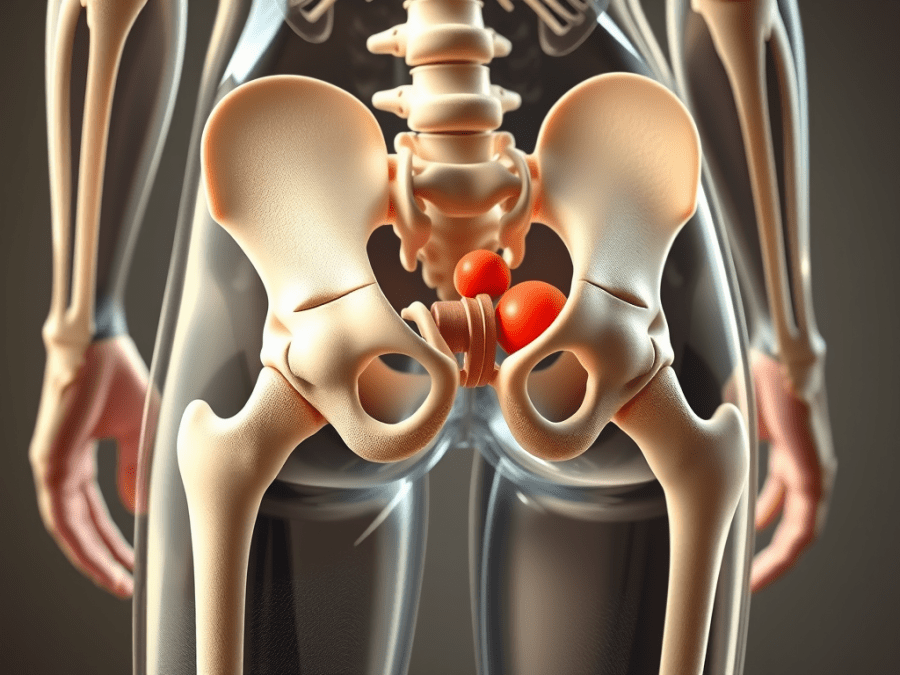
The greater trochanter is the bony bump on the outside of the hip, the one you can find with your fingers. Bursae sit around it, small fluid-filled sacs that keep bone, muscle, and tendon from grinding against each other. Inflame one and you get pain along the outer hip.

Symptoms

Patients describe an ache or a burn over the side of the hip. It can run down the outside of the thigh, though it rarely travels past the knee. Activity makes it worse: stairs, long walks, and lying on that side at night, which is the complaint that finally brings people in. The area is almost always tender to pressure. Some patients mention stiffness after sitting a while, or difficulty getting the hip moving again.

The symptom picture overlaps with lumbar radiculopathy and osteoarthritis, which is exactly why it’s so often mislabeled.

Diagnosis

History does most of the work. When did it start, what makes it worse, was there a fall, and did anything change recently in activity or training. That last question earns its keep more often than people expect.

Point tenderness directly over the greater trochanter is the classic finding. A positive Trendelenburg sign, which reflects gluteal weakness, points toward associated tendon involvement rather than isolated bursitis.

Imaging isn’t always needed. X-rays rule out arthritis. Ultrasound or MRI can show bursal inflammation or gluteal tendinopathy when the case isn’t behaving.

Treatment

Most patients get better with conservative care, and I want to be clear that conservative here doesn’t mean passive. Rest from whatever’s aggravating it, ice over the outer hip, and an NSAID like ibuprofen or naproxen for pain and swelling will settle the acute phase.

Physical therapy is the piece that actually changes the trajectory. Strengthening the gluteal muscles and improving hip stability relieves current symptoms and makes recurrence less likely. I’ve had patients who could barely sleep on their side due to the pain, and after a few weeks of targeted therapy, they were back to normal activities.

When conservative care runs out of road, a corticosteroid injection into the bursa can help, and ultrasound guidance improves accuracy enough to be worth asking for. Platelet-rich plasma and shockwave therapy are still being studied in resistant cases. Surgical bursectomy is rare and belongs to the severe cases that have failed everything else.

Prevention and Long-Term Outlook

Preventing recurrence means dealing with what caused it. Weight management reduces load through the hip. Footwear matters, particularly for anyone on their feet all day on hard floors. Regular hip strengthening and flexibility work keeps the area stable, and patients who avoid long stretches of unbroken sitting or standing tend to hold their gains.

Working Together

For colleagues: keep the differential wide on lateral hip pain, and get physical therapy involved early rather than after the third failed round of anti-inflammatories. A multidisciplinary approach is what produces durable outcomes here.

For patients: this hurts, it can drag on, and it’s genuinely treatable. Most people get their mobility back and return to normal routines.

Scott Rennie, D.O.

Sources

  • Segal NA, Felson DT, Torner JC, et al. Greater trochanteric pain syndrome: epidemiology and associated factors. Arch Phys Med Rehabil. 2007;88(8):988-992.
  • Strauss EJ, Nho SJ, Kelly BT. Greater trochanteric pain syndrome. Sports Med Arthrosc Rev. 2010;18(2):113-119.
  • Bird PA, Oakley SP, Shnier R, Kirkham BW. Prospective evaluation of magnetic resonance imaging and physical examination findings in patients with greater trochanteric pain syndrome. Arthritis Rheum. 2001;44(9):2138-2145.

Board Certified in Obesity Medicine and Family Medicine

This blog is for educational purposes only and does not constitute individual medical advice. Always consult your own physician before making changes to your health, medications, or treatment plan.
Person stretching leg on rock near ocean at sunset

How to Stretch Out Properly

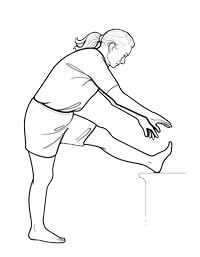
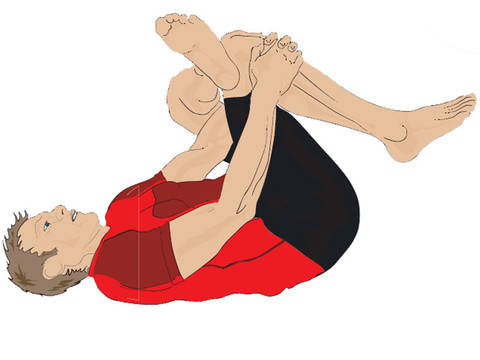
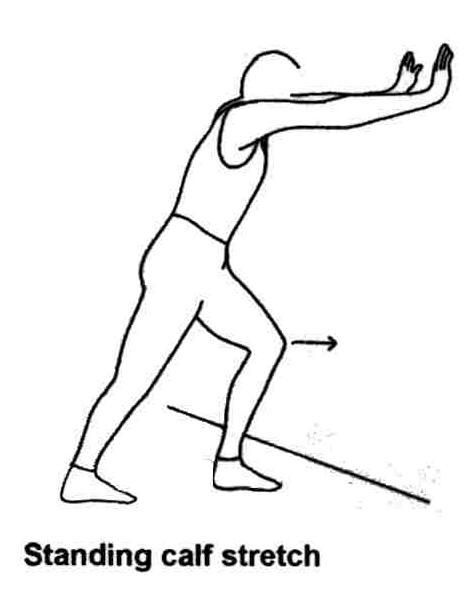
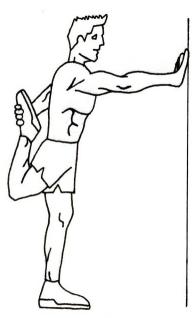
I often get questions from patients about how they should warm up or prepare before starting to exercise.  I have a few suggestions that I’ve learned over the years from physical therapists, personal trainers and patients who have come in from sports related injuries.  A good stretching warm up raises the temperature of your muscles and promotes optimal flexibility with the goal of preventing muscle strain or spasms. 1)  Understand the muscles you will be using during your particular sport.  It’s important to know what your workout will involve and then stretch those muscles.  For example, if you are a runner then warming up the hamstrings, quads and gluts are more important than the muscles of the upper body. 2)  Begin slowly.  Learn to gradually lengthen the muscles to prevent injury during exercise.  You don’t need to touch your toes immediately.  If fact if you over-stretch your muscles too quickly, it can put them into a spasm. 3)  Hold the stretch.  Begin by holding your position once your muscles reach their limit for 10-15 seconds, then relax and perform that stretch again.  Repeat on the other side of the body or extremity as necessary. 4)  Once you’ve finished your workout, stretch again.  You will increase your flexibility and it’s a great way to cool down after your exercise routine. 5)  Don’t bounce.  If you bounce when you stretch, you may increase your risk of injury and over-stretch.   You should not feel like you’re hurting yourself with stretching.  If it hurts, stop the stretch immediately. Every medical professional has their favorite stretches.  Some of my favorites include the following: A)  Quadricep Stretches:  The quadriceps are four muscles located in the anterior thigh (the Vastus lateralis, Vatus medialis, Vastus intermedius and Rectus femoris.)  This muscle group acts to extend the leg while straightening the knee.  Running, biking, jumping, hopping, and jogging all involve the quads and dysfunction in these muscles may lead to injury.  The way I stretch this muscle group is by: 1)  While standing, grab  a stable structure such as the table or counter for balance with one hand. 2)  Bend your knee back by grasping your ankle with the hand on the same side of your body 3)  Maintain the position for 15-30 seconds and if no stretch is felt, you may bend forward at the hips, then relax to a standing position. 4)  Repeat the procedure for the other leg and continue repeating for 15 minutes. B)  Hamstring stretch:  Your hamstring  is the muscle group that runs along the back of your upper leg.  Three muscles that make up the hamstrings are the biceps femoris, semimembranosus and semitendonosus.  They are mostly used as a hip extensor and 1)  Place your heel on an object approximately 18″ high, and stand as erectly as possible. 2)  Extend your low back, tilting your pelvis forward, and bend forward from the hips, maintaining the curve of your low back pain. 3)  For added emphasis, tilt your toes back toward you.  You should feel the stretch in the back of your leg.  Hold for 15-30 seconds and then repeat for the other leg for a total of 15 minutes. C)  Glute Stretch:  The glute muscles are defined as the buttocks.  They encompass the Gluteus Maximus, gluteus medius and gluteus minimus.  They play a role in movement and are used in walking, running, jumping, bicycle riding, and more.  They extend and rotate the leg. 1)  Lie on the floor or mat.  Bend knees with feet on the floor. 2)  Cross lower leg over thigh and grasp back of thigh of the lower leg with both hands 3)  Pull leg toward torso and hold stretch for 15-30 seconds.  Repeat for the opposite leg and continue for a total of 15 minutes. D)  Calf Stretch:   The calf muscles consist of the gastrocnemius and the soleus. The gastrocnemius is the big muscle at the back of the lower leg.  It helps us plantar flex (point the food down).  It also helps with knee extension.  The Soleus muscle’s action is ankle plantar flexion. 1)  Place the toes of one foot up onto the wall so that your heel is still on the ground 2)  Lean forward until a stretch is felt in your calf, keeping your knee straight. 3)  Hold for 15-30 seconds and then repeat with the other foot.  Continue for a total of 15 minutes.   I hope that you have found this information useful.  Wishing you the best of health,

Scott Rennie, D.O.
Board Certified in Obesity Medicine and Family Medicine

This blog is for educational purposes only and does not constitute individual medical advice. Always consult your own physician before making changes to your health, medications, or treatment plan.