
Which Medications Can Make Weight Loss Harder?

As a physician, I often meet patients who are discouraged by weight gain that doesn’t seem to make sense. They may be eating well, exercising regularly, and still the scale keeps moving up. Lifestyle choices matter a great deal. Medications and supplements can matter just as much, and knowing which ones affect weight is worth raising with your own doctor, because the cause can be hiding in plain sight.

Certain prescriptions are known to promote weight gain. Diabetes medications are a good example: insulin, sulfonylureas like glipizide, and thiazolidinediones like pioglitazone often push weight up. Metformin, GLP-1 receptor agonists like semaglutide, and SGLT-2 inhibitors tend to do the opposite and help with weight control.

I’ve also seen this pattern with antidepressants. Drugs like escitalopram, citalopram, or paroxetine can add pounds, as can tricyclics such as amitriptyline. Even trazodone or mirtazapine carry this risk. For some patients, switching to bupropion, fluoxetine, or sertraline makes a noticeable difference.

Atypical antipsychotics are another tricky class. Olanzapine, risperidone, and quetiapine are all associated with weight gain, while ziprasidone tends to have less impact. Anti-epileptic drugs split the same way. Same pattern, different receptors. Valproic acid and gabapentin tend to increase weight; topiramate and lamotrigine usually don’t.

Even medications outside psychiatry and neurology come up in this discussion. Lithium, commonly used as a mood stabilizer, often causes weight gain, and so do glucocorticoids like prednisone, especially with longer courses. Beta blockers such as metoprolol and propranolol carry the same issue, carvedilol usually has less effect, and antihistamines like diphenhydramine or cetirizine can shift weight too, though loratadine tends not to, which is worth remembering the next time an allergy prescription gets refilled without a second thought. Hormonal contraception adds another layer: depo-medroxyprogesterone is linked to weight gain, which can be genuinely frustrating for patients who are otherwise doing everything right. Non-hormonal methods are an option worth raising.

Over-the-counter medications and supplements belong in this conversation too, right alongside anything prescribed. Chronic antihistamine use may interfere with appetite regulation. Proton pump inhibitors, like omeprazole, can indirectly affect weight through changes in gut microbiota. Long-term NSAID use may lead to water retention. Some “energy” or “muscle gain” supplements hide hormones or steroids that work against weight control entirely.

This is why reviewing medications matters so much in a weight conversation. Weight gain gets blamed entirely on diet or activity when the real trigger may be sitting in the pillbox. Of course, no one should stop a medication on their own. Sometimes the benefit outweighs the side effect. Sometimes there’s a safer alternative that gets the same result without the tradeoff.

Bringing medications into the conversation gives us a fuller picture. It lets us make thoughtful adjustments while still focusing on lifestyle. It’s about tailoring a plan that actually supports long-term health, one a patient can live inside for years.

Scott Rennie, D.O.

Sources:

Board Certified in Obesity Medicine and Family Medicine

This blog is for educational purposes only and does not constitute individual medical advice. Always consult your own physician before making changes to your health, medications, or treatment plan.
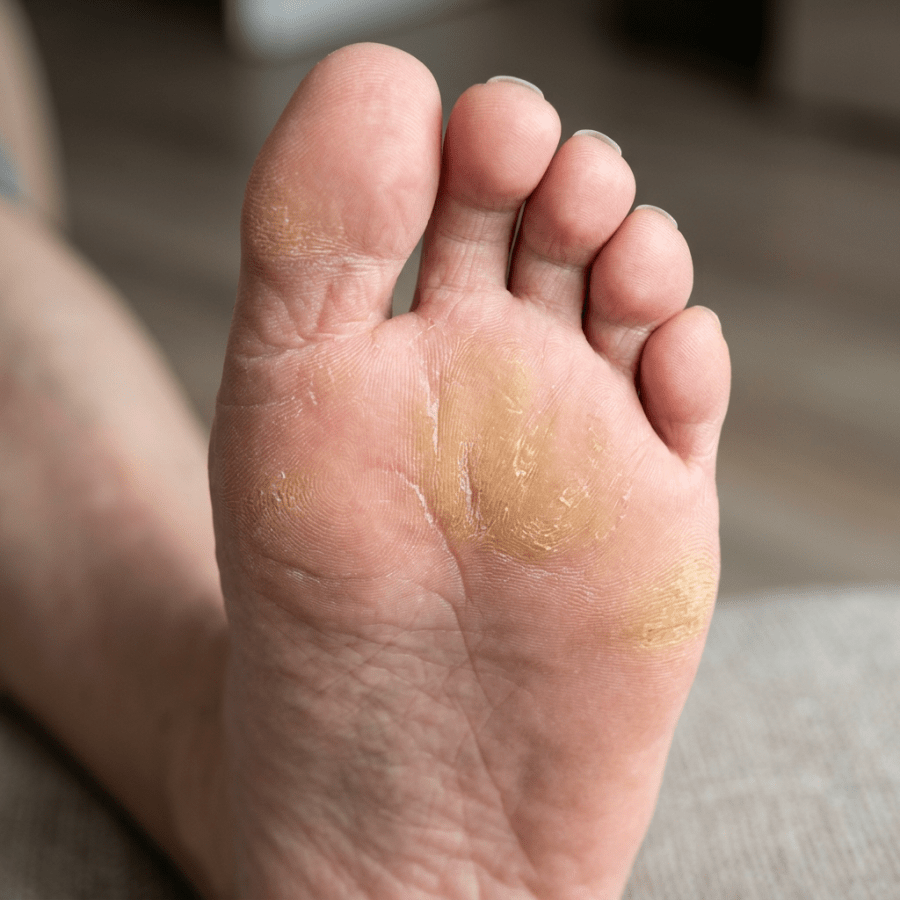
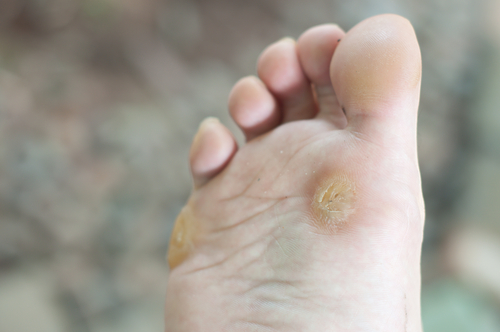
Sole of foot with dry, peeling skin and calluses

Calluses and Corns: Causes, Prevention, and Treatment

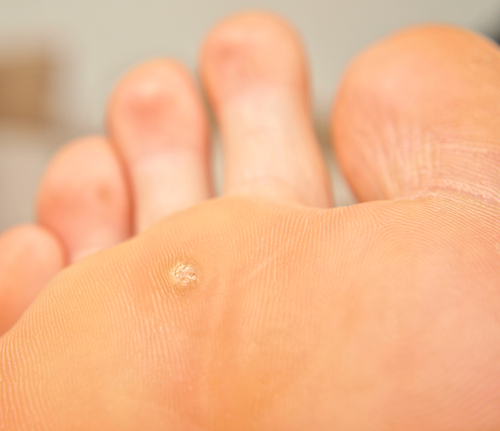
shutterstock_113610118shutterstock_93910513I can’t tell you how many patients come in to the clinic because of a callus or corn that’s bothering them – too many to count!  Corns and calluses can cause significant pain, especially when they’re on the feet because we often get them in areas over pressure areas.  When they get thickened they can re-distribute your weight onto other areas of your feet and that may lead to foot instability or worsening pain. Calluses are usually on the hands and feet and basically just thickened areas of skin that form when something rubs or presses on these areas over prolonged periods of time. Corns are thickened areas of skin that are often on the soles of the feet or sides of the toes and look like a small nodule that has a hard center.  Corns are usually more painful because they are often over a smaller area and press harder on a more specific area of the foot. Causes:  Possible reasons that calluses or corns develop include: 1)   Wearing shoes that don’t fit properly for your feet – either too loose or too tight 2)   Walking barefoot 3)   Wearing shoes without socks 4)   Calluses on the hands can be caused by repetitive sports such as rowing, golfing, tennis or biking without gloves Prevention: 1)   Get shoes that fit properly!  It’s important to be proactive and to prevent calluses or corns if they bother you.  There are special shoe stores that work with foot doctors to help you select shoes that fit your feet properly.  Some people are born with narrow or wide feet and that makes it more difficult to find shoes that fit properly.  If you are getting painful corns or calluses, take time and visit a store where someone can help you to pick out shoes that fit you well 2)   Avoid going barefoot or wearing shoes without socks 3)   If you have spots on your feet that rub inside your shoes, you can get special pads that prevent rubbing Treatment:  I often work with patients who come into the clinic to trim the corn or callus down so that it reduces the pressure in the affected area.  I use a scalpel to carefully trim away the thickened skin.  A foot doctor (podiatrist or orthopedic surgeon who specializes in treating conditions of the foot/ankle) can make special orthotic devices that can help reduce the pain and help prevent recurrence of corns/calluses.  Some people treat calluses themselves by purchasing special pads that contain medications to burn or dissolve the thick skin.  I highly recommend that patients with diabetes be seen and treated by a medical provider to reduce the risk of infection.  Diabetic patients are at increased risk of foot infections and should be seen for yearly foot examinations even if they don’t have calluses or corns.   I hope that you have found this information useful.  Wishing you the best of health,

Scott Rennie, D.O.
Board Certified in Obesity Medicine and Family Medicine

This blog is for educational purposes only and does not constitute individual medical advice. Always consult your own physician before making changes to your health, medications, or treatment plan.
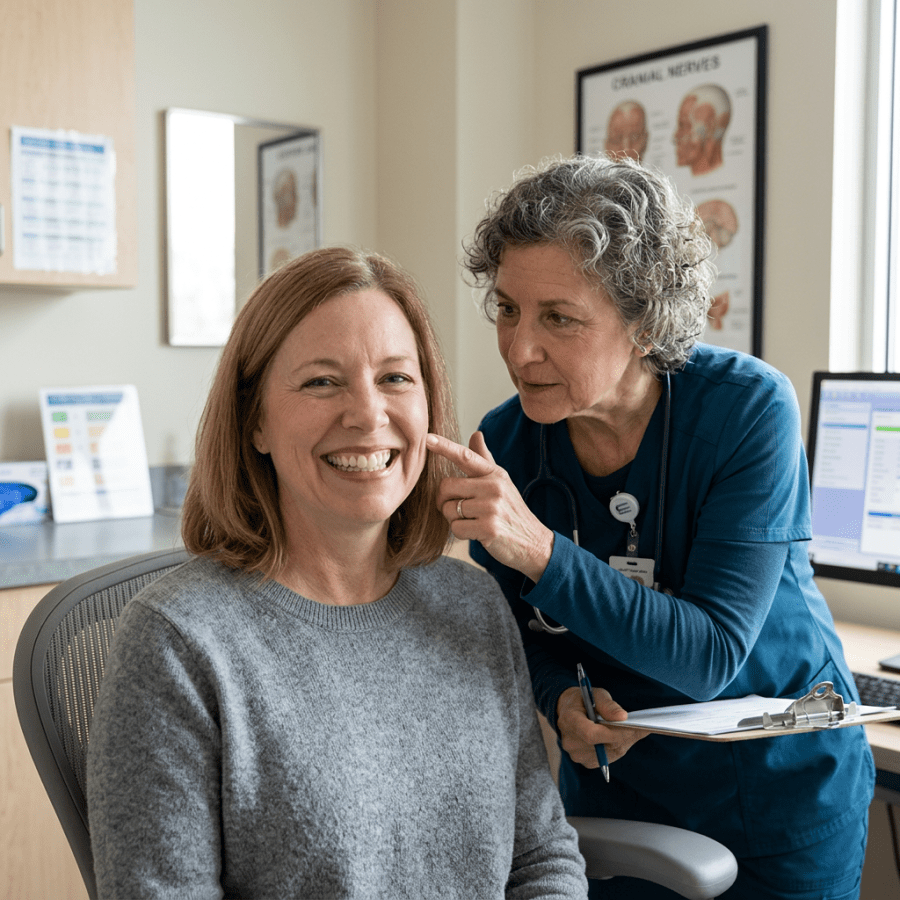
Clinician examining the side of a patient’s face during a clinic visit

Why is the Side of My face Drooping? All about Bell’s Palsy

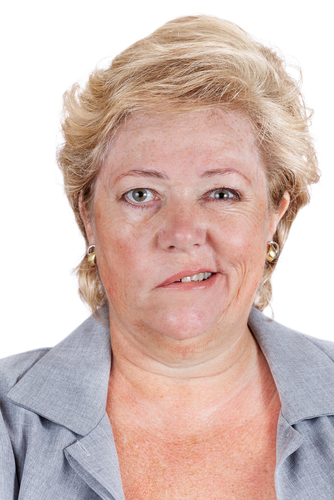
shutterstock_142857034A few weeks ago a family brought their son in to the clinic because one side of his face including his eye and lips were not moving symmetrically with the other side.  Of course they were worried about the possibility of him having a stroke.  He’d had an upper respiratory infection that started about one week before and had a slight fever with runny nose.  He’d never had any neurological problems before.  He had a condition called Bell’s Palsy. Bell’s Palsy is a problem with the nerves on one side of the face and it causes the muscles of the face to have decreased ability to move.  The muscles of the face can become weak or even paralyzed.  Patients often complain that one of their eyelids starts drooping or they drool out one side of their mouth.  When they smile, one half of the mouth doesn’t seem to move. Most people who get Bell’s palsy recover entirely but a small number of patients have symptoms for the rest of their life. Causes:  Inflammation of the facial nerve on one side of the face is the cause of Bell’s palsy.  A virus is the cause and there is some evidence that it’s the virus that causes cold sores (Herpes Simplex Virus – HSV) that causes the condition.  Other viruses may cause Bell’s palsy however including the viruses that cause Chicken Pox and Mononucleosis. Symptoms:  When the facial nerve because inflamed from the virus, and the nerve may swell and get pinched as it travel’s through some tight spaces in the face.  If this happens it can cause weakness and even paralysis of the muscles of the face so you may see: 1)   Drooping of one eyelid 2)   Eyebrow that sags 3)   Corner of the mouth that does not move or sags 4)   One eye might not close completely 5)   Loss of taste in the front of the tongue 6)   Loud noises may cause pain on the side of the dysfunction If your eye is not able to fully close, this can lead to dryness of the eye, so it’s important to seek treatment to prevent eye damage. Treatment:  We don’t have any specific treatments for Bell’s palsy, but seeing a medical provider may be helpful to: 1)   Ensure the proper diagnosis, because the symptoms may be confused with a stroke or other neurological problems which can be dangerous if not treated appropriately 2)   Prevent damage to the cornea of your eye from dryness 3)   Steroids such as prednisone may be given to reduce the swelling of the affected facial nerve – this works better when started within the first 2-3 days of symptoms 4)   Antiviral medications such as acyclovir are sometimes given in hopes that they will help the body overcome the virus more quickly, however studies have not found any added benefits from using antiviral medications for Bell’s palsy Recovery/Prognosis:  People who have less severe symptoms seem to recover more rapidly and have a better chance of full recovery.  If you are getting better within the first three weeks, the chances are better that you will totally recover.  A small group of people however have permanent moderate to severe muscle weakness in their face from Bell’s palsy. Rare effects:  If there is severe damage to the facial nerve, it may heal in a disorganized fashion.  I have one patient who was bothered by tears coming from their eye when they salivate (before eating).   I’ve also had a patient whose eye would close whenever he smiled.  Fortunately this is not common with Bell’s palsy.   I hope that you have found this information useful.  Wishing you the best of health,

Scott Rennie, D.O.
Board Certified in Obesity Medicine and Family Medicine

This blog is for educational purposes only and does not constitute individual medical advice. Always consult your own physician before making changes to your health, medications, or treatment plan.
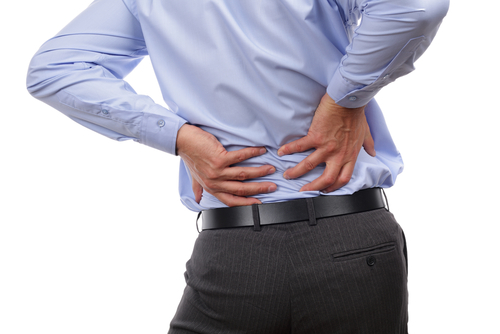
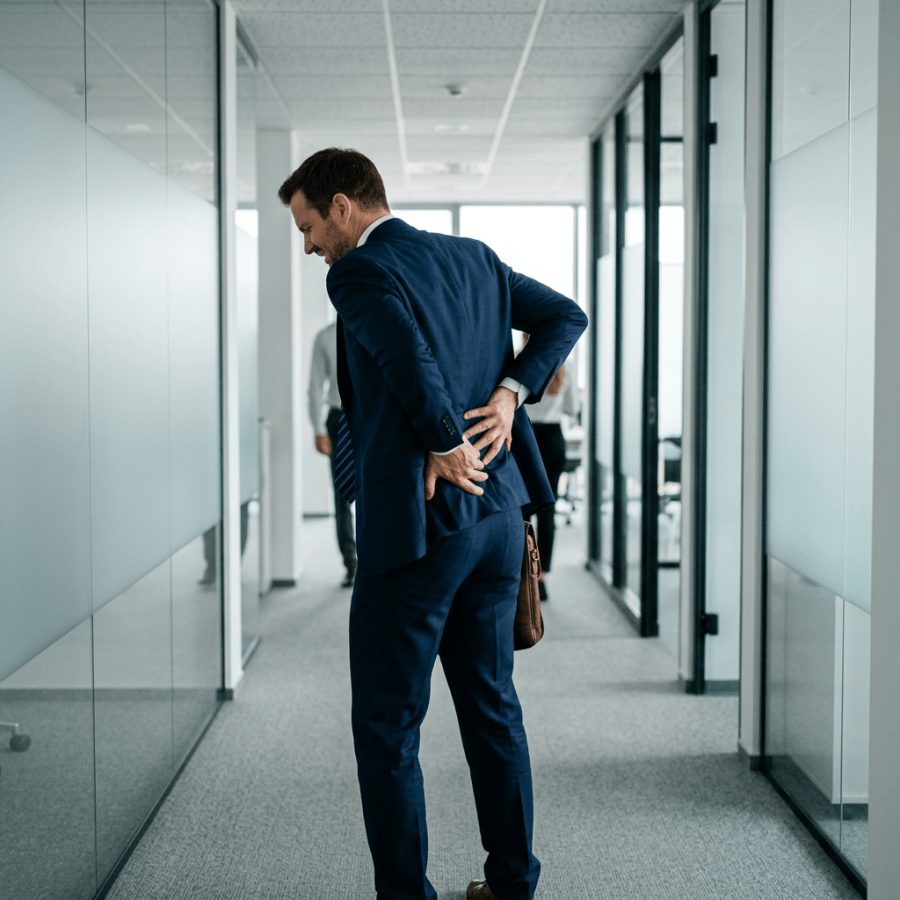
Man in navy suit holding his lower back in pain in office hallway

Low Back Pain: What Can Actually Help You Find Relief?

shutterstock_115219366

Low back pain is one of the most common reasons people see a doctor. About 8 out of 10 adults will have at least one episode at some point in their lives. The pain is usually felt along the lumbar spine and can worsen with bending, twisting, or even just sitting down. In many cases the muscles that support the back are the main source of the pain. Sometimes arthritis or a bulging disk irritates the nerve roots and that’s when patients notice symptoms like numbness, tingling, or weakness in the legs.

Sciatica is a well-known example. That’s when one of the nerve roots of the sciatic nerve is irritated, sending sharp, burning pain down the back or side of the thigh and often all the way to the ankle or foot. It may also come with numbness or tingling.

Most back pain gets better with conservative care, but there are times when patients should see a doctor right away. If someone over 70 suddenly develops back pain, if the pain persists at night even while lying down, or if it comes with weakness in the legs, loss of bladder or bowel control, unexplained fever, or weight loss, those are red flags. A history of cancer, osteoporosis, or a significant fall also raises concern. And if pain hasn’t improved at all after four weeks, it’s worth reevaluating.

Doctors usually start with a history and physical exam. Imaging tests like x-rays can pick up things such as compression fractures or alignment issues. CT or MRI scans are used when more detail is needed, especially to look at soft tissues, disks, or nerves. A bulging disk will often improve on its own over time as the body reabsorbs it, so surgery isn’t the first step unless there are severe symptoms.

Activity is important. Studies show patients recover faster when they keep moving. Staying in bed too long can actually make pain worse. Heat can ease stiffness in the first couple of weeks, and alternating ice and heat sometimes helps too. I usually encourage people to keep working if possible, but to avoid heavy lifting, prolonged standing, or twisting motions.

Medications have a role. Over-the-counter options like acetaminophen, ibuprofen, or naproxen can reduce pain and inflammation. Muscle relaxants such as cyclobenzaprine or baclofen may help in the short term, but they can cause drowsiness, so patients need to be cautious with driving or operating machinery. Narcotics are occasionally used but carry more risks and aren’t typically needed for most back pain.

Exercise is helpful once the pain begins to settle. Early stretching can sometimes aggravate symptoms, but as recovery progresses, a structured program that builds flexibility and strengthens core muscles supports long-term improvement. If pain lingers beyond four to six weeks, physical therapy is often recommended. Therapists focus on strengthening, posture, and mobility to reduce recurrences.

As an osteopathic physician, I sometimes use hands-on manipulation. By improving range of motion in restricted areas, it’s possible to break the cycle of stiffness and pain. Other approaches that can help certain patients include massage, yoga, acupuncture, injections, or even traction. Braces may be useful in select cases. Surgery is an option, but usually only when there’s severe nerve involvement or persistent symptoms that don’t respond to other treatments.

Prevention is key. Staying active, exercising regularly, and keeping the core muscles strong all help protect the back. Avoiding repetitive heavy lifting or twisting motions reduces strain. When lifting can’t be avoided, bending at the knees rather than the waist protects the spine. Stretching the hamstrings, quadriceps, piriformis, and gluteal muscles also supports spinal health.

Scott Rennie, D.O.
Board Certified in Obesity Medicine and Family Medicine

This blog is for educational purposes only and does not constitute individual medical advice. Always consult your own physician before making changes to your health, medications, or treatment plan.
Tablet showing a heart-shaped home medical service logo with a red cross and play button.

Watch Dr. Rennie’s New Video for Rennie Family Health

Check out my new video for Rennie Family Health:


Spintext.com helped me create it, and they do excellent work. If you’re looking for an organization to help promote your practice with video or websites, I highly recommend them!

Scott Rennie, D.O.
Board Certified in Obesity Medicine and Family Medicine

This blog is for educational purposes only and does not constitute individual medical advice. Always consult your own physician before making changes to your health, medications, or treatment plan.
Flowing spine lines with botanical elements still life

Osteopathic Medicine: An Interesting Article Worth Reading

Alternative medicine and osteopathic medical education

by Tayson DeLengocky, DO There has been a growing public interest in complementary and alternative medicine (CAM) in recent years. Osteopathic manipulative therapy, a form of physical manipulation of the body for improvement of health and body function, has been designated as complementary and alternative medicine (CAM) by the National Institutes of Health (NIH). According to data reported in 2007 by the National Institutes of Health’s National Center for Complementary and Alternative Medicine, 38% of adults and 12% of children in the United States used some form of CAM that year. According to a 2007 report from the National Center for Statistics, Americans spent $33.9 billion out-of-pocket on CAM; of this figure, consumers spent $11.9 billion on an estimated 354.2 million visits to CAM practitioners. Most allopathic medical schools have responded to this public interest by offering some elective instructions in CAM. Even a tentative proposal of core competencies in integrative medicine in undergraduate medical curriculum in allopathic schools was advanced in hope of instilling in graduating physicians the values, knowledge, attitudes and skills to improve physician-patient communication. DOs are better positioned to respond to this public interest thanks to osteopathic medicine’s long tradition of a holistic and preventive philosophy to patient care. Musculoskeletal conditions and injuries are among the most common reasons for visits to physicians in the United States. They accounted for more than 131 million patient visits in 1995 and cost $215 billion annually. According to the National Center for Health Statistics in 2003 and 2004, 21% of individuals aged 18 to 44, 59% of those aged 45 to 54 years, and 98% of those aged 55 to 64 years reported limitation of activity due to musculoskeletal conditions. According to a 1999 survey of the Steering Committee on Collaboration among Physician Providers Involved in Musculoskeletal Care, the percentages MDs who felt adequately prepared to physically assess problems of low back pain and foot pain were, respectively, 31% and 10%. By contrast, the percentages of DOs who felt adequately prepared to assess low back pain and hand problems were, respectively, 84% and 41%. Thus, osteopathic training appears to be at the forefront of addressing major healthcare issues and fulfilling public demands for patient-focused care. Physicians who are exposed to osteopathic medicine are well-positioned to treat musculoskeletal injuries, an area that is often underemphasized in MD training programs. In the late 1990s, nine physician organizations (including the American Academy of Pediatrics, American Geriatrics Society, and the American Academy of Orthopaedic Surgeons, among others) decided to work together to improve the diagnosis and treatment of musculoskeletal injuries in a cost-effective way by sharing knowledge. As part of their research, they surveyed physicians entering their residencies to see how these new physicians felt about their training in diagnosing musculoskeletal conditions. Thirty-one percent of MDs felt that their training to diagnose lower back pain was excellent or very good (compared to 82% of DOs). Fewer DOs than MDs reported that they felt “poorly” or “very poorly” prepared to address foot pain and other categories of pain. The authors observed, “The fact that the osteopathic medical school graduates felt quite well prepared to assess these types of musculoskeletal problems indicates to us that it is possible to provide a musculoskeletal education in medical school that would improve the students’ confidence to assess musculoskeletal problems regardless of what specialties they intend to practice.” The physicians’ organizations concluded that medical schools “should place more emphasis on these conditions so that young physicians entering their residencies will feel as well prepared to deal with such conditions as they are prepared to deal with problems found in other body systems… With appropriate reforms, all physicians who treat patients with musculoskeletal problems will know the appropriate diagnostic and treatment interventions and how to deliver them in a cost-effective manner. Their patients will benefit, and their health care burdens on society will decrease.” A similar study (in 2005-06) among Harvard Medical School students found that musculoskeletal education was important (rated a 3.8 on a 5-point scale, with 1 meaning “no importance” and 5 meaning “critical importance”). At the same time, though, the students rated the amount of time spent on musculoskeletal education as poor (rated 2.1 on a 5-point scale, with 1 meaning “inadequate” and 5 meaning “excellent.”). On an exam of cognitive mastery of musculoskeletal medicine, fourth-year medical students had a passing rate of only 26%; the pass rate for third-year students (7%) was even worse. According to the study’s authors, “[R]ecent studies suggest that the discrepancy between the magnitude of musculoskeletal problems and physician competency in musculoskeletal medicine likely stems from educational deficiencies at the medical school level.” Osteopathic medical education programs, are addressing this need every day. Tayson DeLengocky is a vitreo-retinal surgeon who blogs at Eye Dr DeLengocky.

Scott Rennie, D.O.
Board Certified in Obesity Medicine and Family Medicine

This blog is for educational purposes only and does not constitute individual medical advice. Always consult your own physician before making changes to your health, medications, or treatment plan.