

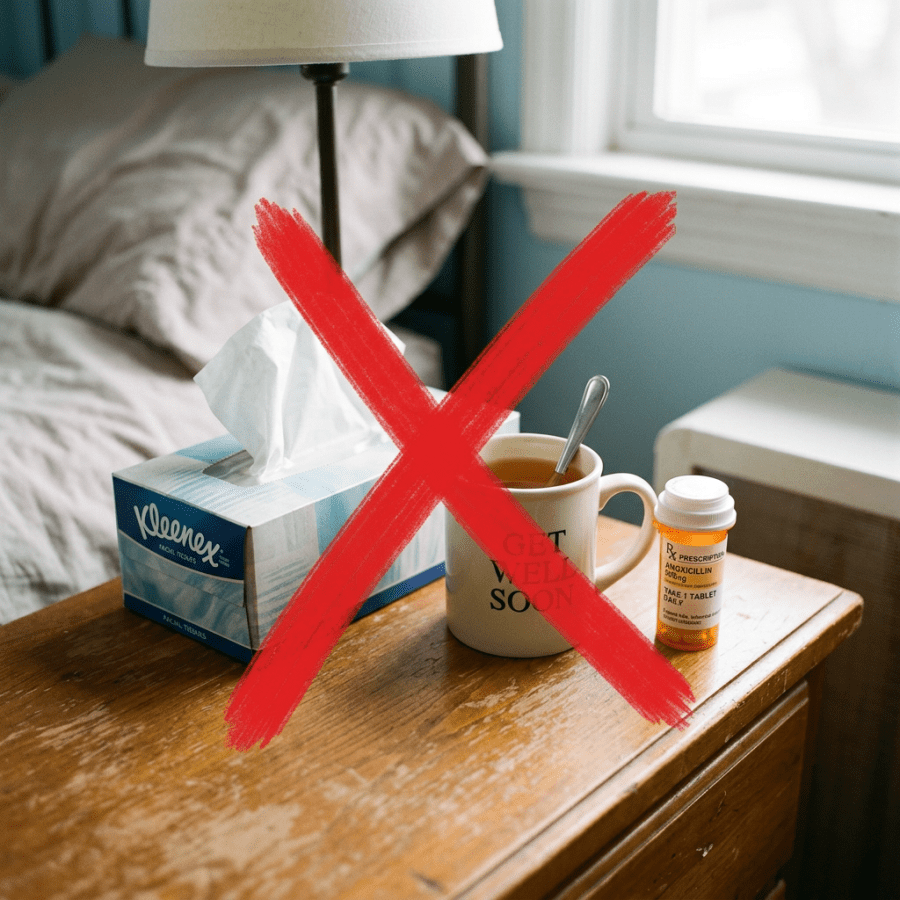
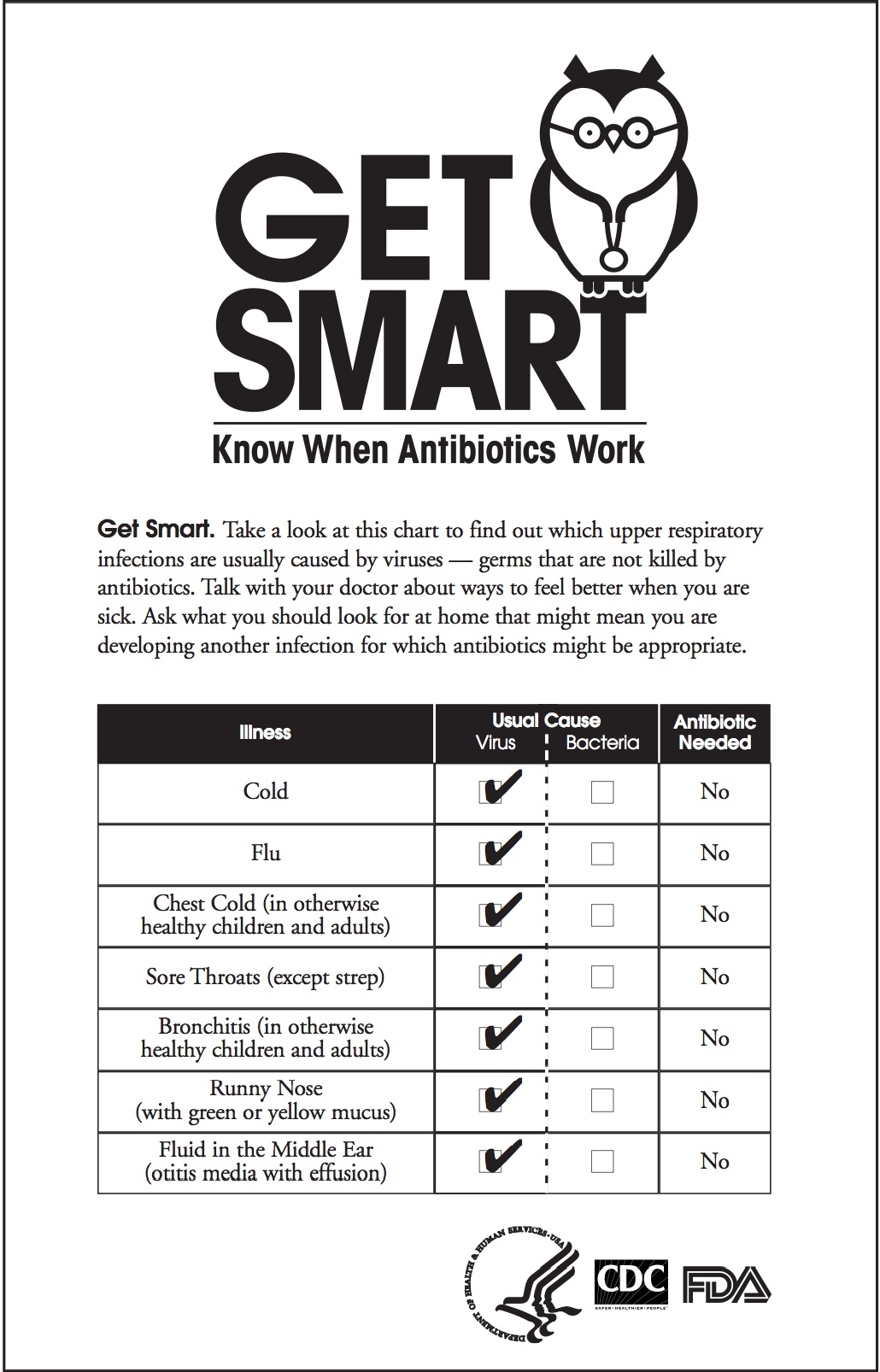
Antibiotics changed the course of medicine. They save lives daily against infections that used to kill people: pneumonia, urinary tract infections, strep throat. The catch is narrow and absolute. They work on bacteria. Viruses are untouched. So an antibiotic prescribed for a cold or influenza does nothing useful, and it can still do harm.
The Risks of Misuse
Overuse drives resistance. Bacteria adapt fast, and repeated exposure teaches a population how to survive the drug that used to clear it. Those are the organisms we call superbugs. They make ordinary infections harder to treat, and healthy patients aren’t exempt from that. In its 2019 threats report, the CDC counted more than 2.8 million antibiotic-resistant infections a year in the United States and over 35,000 deaths.
Side effects are the nearer problem for most patients. Antibiotics disturb the gut microbiome, and nausea, diarrhea, and abdominal pain follow. Sometimes that disruption opens the door for Clostridioides difficile and a severe colitis.
Yeast overgrowth is common too. Clear out the normal bacterial balance and Candida fills the space, showing up as oral thrush or a vaginal yeast infection. I’ve had patients relieved that their original infection improved, only to be frustrated by new symptoms a week later.
Using Antibiotics Wisely
The goal is correct use, not avoidance. That’s what antibiotic stewardship means in practice.
Step one is deciding whether the infection is even bacterial. A sore throat is usually viral pharyngitis. Fever with swollen tonsils and no cough moves strep up the list, and a rapid strep test settles it rather than leaving it to impression. Ear pain needs a careful look to separate a viral picture from bacterial otitis media.
Prevention cuts the need in the first place. Vaccination, hand hygiene, safe food handling. I keep telling patients that washing hands before eating and after being out in public does more to keep them off antibiotics than anything I prescribe.
When antibiotics are the right answer, they’ve got to be taken as directed. Stopping early, skipping doses, and saving leftovers all undermine the course and feed resistance. Sharing a prescription with a family member is its own category of mistake.
Where This Leaves Us
Antibiotics remain among the most powerful tools in medicine, and they aren’t free. Misuse buys resistant bacteria, gastrointestinal misery, and yeast overgrowth. Careful prescribing, honest patient education, and prevention are what keep these drugs working for the people who will need them next.
Sources
- Centers for Disease Control and Prevention. Antibiotic Resistance Threats in the United States, 2019. https://www.cdc.gov/drugresistance
- Ventola CL. The antibiotic resistance crisis: causes and threats. P&T. 2015;40(4):277-283.
- National Institutes of Health. Antibiotics and their side effects. MedlinePlus. https://medlineplus.gov/antibiotics.html
Board Certified in Obesity Medicine and Family Medicine
This blog is for educational purposes only and does not constitute individual medical advice. Always consult your own physician before making changes to your health, medications, or treatment plan.
 Doctor Rennie's Blog