
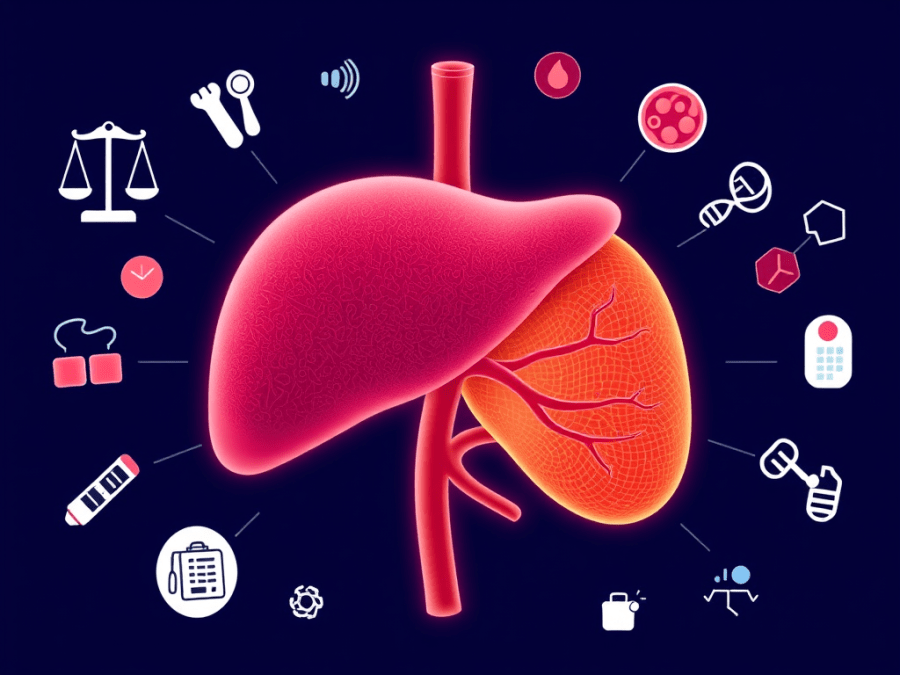
What Is MASLD? The New Name for Fatty Liver Disease

Liver disease is showing up more often, and it tracks closely with rising rates of obesity, diabetes, and metabolic syndrome. What many of us trained calling “fatty liver” or NAFLD has been renamed and reframed. The term now is MASLD, metabolic dysfunction-associated steatotic liver disease, and it reflects a better understanding of what actually drives the condition.

Why the change? NAFLD was a definition by exclusion. It told you the disease was not caused by alcohol without saying what it was. It also excluded patients with both alcohol and metabolic drivers, and the word “fatty” carried stigma that most patients felt immediately. In 2023 a multisociety Delphi process involving 236 panelists from 56 countries settled on the new nomenclature. Sixty-six percent of respondents found “fatty” stigmatizing and 61% said the same of “nonalcoholic.” The new definition requires at least one of five cardiometabolic risk factors, and it added MetALD for patients with metabolic dysfunction who also drink significantly (Rinella et al., J Hepatol, 2023).

MASLD is common. Roughly 30% of U.S. adults are affected. Among people with diabetes that figure climbs above 60%, and up to 15% carry advanced fibrosis (Le et al., Clin Mol Hepatol, 2022). Worldwide it is projected to overtake hepatitis C and alcohol as the leading cause of cirrhosis, hepatocellular carcinoma, and liver transplant.

The liver isn’t where most of these patients die. Cardiovascular disease is the leading cause of death in MASLD. The same inflammatory and metabolic pathways that damage the liver drive atherosclerosis. Diabetes worsens MASLD and MASLD worsens diabetes. The relationship runs in both directions.

One point matters more than any other: liver enzymes are a poor marker of severity. Normal ALT and AST are entirely compatible with advanced fibrosis. Fibrosis stage is what predicts progression, complications, and mortality. In a meta-analysis of 4,428 patients, all-cause mortality rose with each fibrosis stage, reaching a relative risk of 3.42 at stage 4 compared with stage 0, and liver-related mortality reached 11.13 (Taylor et al., Gastroenterology, 2020; Ekstedt et al., Hepatology, 2015). That is why guidelines now point everything at fibrosis assessment.

In primary care, FIB-4 is the practical first step. Age, AST, ALT, and platelet count. Under 1.3 suggests low risk and those patients can generally stay in primary care. Above 2.67 means high risk and warrants hepatology referral. Intermediate scores land in a gray zone that usually needs imaging such as FibroScan or a blood-based marker like the ELF test. FibroScan is fast and non-invasive but loses accuracy in patients with obesity, which is a real limitation given who has this disease. MR elastography is the most accurate option and the least available.

Treatment still starts with lifestyle. Weight loss of 5 to 10% improves steatosis and inflammation. The Mediterranean pattern is consistently associated with lower liver fat and better insulin sensitivity. Exercise at 150 minutes a week of moderate activity reduces liver fat even without weight loss, which is worth telling patients who are discouraged by the scale. Cutting sugar-sweetened beverages and limiting fructose is standard advice. Coffee earns its reputation here: a meta-analysis of observational studies found coffee consumption associated with 35% lower odds of significant fibrosis, with three or more cups a day the threshold most often cited, caffeinated or not (Hayat et al., Nutrients, 2021).

Medication options are expanding. Vitamin E has histologic benefit in non-diabetic patients with biopsy-proven MASH, though long-term safety concerns persist. Statins remain badly underused and are safe in MASLD, and they should be prescribed for cardiovascular risk reduction (Kargiotis et al., World J Gastroenterol, 2015). GLP-1 receptor agonists reduce liver fat and support weight loss.

In March 2024, resmetirom became the first FDA-approved drug for MASH with fibrosis. It is a liver-directed thyroid hormone receptor-beta agonist. In the phase 3 MAESTRO-NASH trial, MASH resolution without worsening fibrosis occurred in 25.9% of patients on 80 mg and 29.9% on 100 mg, against 9.7% on placebo, and both doses beat placebo on fibrosis improvement (Harrison et al., NEJM, 2024). It is approved for adults with non-cirrhotic MASH and stage F2 to F3 fibrosis. Those response rates are meaningful and they are also modest, and patients should hear both halves.

Endoscopic and surgical options matter too. Endoscopic sleeve gastroplasty and intragastric balloons reduce liver fat and improve fibrosis. Bariatric surgery remains among the most effective interventions available, with a systematic review and meta-analysis finding NASH resolution in roughly half of patients and fibrosis improvement in about a third (Lee et al., Clin Gastroenterol Hepatol, 2019).

MASLD management has moved well outside hepatology. It needs primary care, cardiology, endocrinology, nutrition, and gastroenterology working the same problem. Screen at-risk patients with FIB-4, particularly those with diabetes or obesity. Counsel on weight and diet. Prescribe statins when indicated. Refer for advanced assessment when fibrosis is suspected.

MASLD reframes liver disease as part of the broader cardiometabolic picture. Treating it means protecting the liver while cutting cardiovascular risk, improving glycemic control, and addressing systemic inflammation. That is where the impact lives.

Scott Rennie, D.O.

References:

1. Rinella ME, Lazarus JV, Ratziu V, et al. A multisociety Delphi consensus statement on new fatty liver disease nomenclature. J Hepatol. 2023;79(6):1542-1556. https://pubmed.ncbi.nlm.nih.gov/37364790/

2. Le MH, et al. Global incidence of non-alcoholic fatty liver disease. Clin Mol Hepatol. 2022;28(4):841-850. https://pubmed.ncbi.nlm.nih.gov/36117442/

3. Taylor RS, et al. Association Between Fibrosis Stage and Outcomes of Patients With Nonalcoholic Fatty Liver Disease: A Systematic Review and Meta-Analysis. Gastroenterology. 2020;158(6):1611-1625.e12. https://pubmed.ncbi.nlm.nih.gov/32027911/

4. Ekstedt M, et al. Fibrosis stage is the strongest predictor for disease-specific mortality in NAFLD after up to 33 years of follow-up. Hepatology. 2015;61(5):1547-1554. https://pubmed.ncbi.nlm.nih.gov/25125077/

5. Hayat U, et al. Effect of Coffee Consumption on Non-Alcoholic Fatty Liver Disease Incidence, Prevalence and Risk of Significant Liver Fibrosis: Systematic Review with Meta-Analysis of Observational Studies. Nutrients. 2021;13(9):3042. https://pubmed.ncbi.nlm.nih.gov/34578919/

6. Kargiotis K, et al. World J Gastroenterol. 2015;21(25):7860-7868.

7. Harrison SA, et al. A Phase 3, Randomized, Controlled Trial of Resmetirom in NASH with Liver Fibrosis. N Engl J Med. 2024;390(6):497-509. https://pubmed.ncbi.nlm.nih.gov/38324483/

8. Lee Y, et al. Complete Resolution of Nonalcoholic Fatty Liver Disease After Bariatric Surgery: A Systematic Review and Meta-analysis. Clin Gastroenterol Hepatol. 2019;17(6):1040-1060.e11. https://pubmed.ncbi.nlm.nih.gov/30326299/

Board Certified in Obesity Medicine and Family Medicine

This blog is for educational purposes only and does not constitute individual medical advice. Always consult your own physician before making changes to your health, medications, or treatment plan.


Nutrition and Vitamins After Weight Loss Surgery

Obesity is a chronic metabolic disease, and it disrupts nutrient handling long before surgery enters the conversation. Insulin resistance, chronic low-grade inflammation, altered gut hormones, and environmental exposures all change how nutrients are absorbed and used. Which is why so many patients arrive at a bariatric evaluation already deficient. Iron, vitamin D, B12, and folate are the gaps that show up most often on pre-op screening.

That baseline matters, because surgery does more than shrink the stomach or limit intake. It rewires physiology in ways that improve metabolism and open the door to new deficiencies at the same time.

Take Roux-en-Y gastric bypass. Skipping the proximal small intestine reduces absorption of iron, calcium, and several vitamins. Sleeve gastrectomy cuts ghrelin, the hunger hormone, and also changes how bile acids and gut microbiota handle nutrients. Across procedures, GLP-1 and PYY rise, boosting satiety and improving glucose metabolism, while also setting up the risk of postprandial hypoglycemia down the line. The same shifts that explain the weight loss explain why monitoring isn’t optional.

The nutritional risks are substantial. The 2019 multisociety perioperative guideline, cosponsored by AACE, The Obesity Society, ASMBS, the Obesity Medicine Association, and the American Society of Anesthesiologists, lays out 85 recommendations covering exactly this territory (Mechanick et al., 2019). Vitamin D and calcium deficiency approach universality without supplementation. Thiamine deficiency is easy to miss and clinically urgent when it appears. Iron, folate, zinc, and copper run low frequently, particularly after bypass and biliopancreatic diversion.

Protein deserves its own attention. Guidelines recommend 60 to 100 g/day, and real-world intake falls short of that repeatedly. A systematic review found protein intake below 60 g/day in the majority of studies examined, alongside significant lean mass loss (Ito et al., Obes Surg, 2017). That is the road to sarcopenia after weight loss, which undercuts the metabolic gains the surgery was supposed to deliver. Supplementation trials have tested doses in the 15 to 30 g/day range with mixed results, and a systematic review of the whole literature concluded the evidence for lean body mass preservation remains inconclusive (Nuijten et al., Nutr J, 2021). Worth saying plainly rather than overselling the shake.

For clinicians the plan is simple and demands discipline. Protein first. Multivitamins, calcium citrate with vitamin D, B12, and iron are required rather than suggested. Folate belongs in the plan, particularly for menstruating women and anyone with pre-op anemia. Transdermal patches are emerging for patients who can’t tolerate or adhere to oral supplements, though long-term data are thin.

Follow-up is more than labs. Education, repeated counseling, and multidisciplinary care are what make the difference. Dietitians, endocrinologists, and surgeons all have a role. Telehealth has opened real doors here, and models mixing remote contact with targeted in-person visits appear to improve long-term adherence. Prescriptions alone don’t carry patients through this. Structured support does.

One complication turning up more often is post-bariatric hypoglycemia, especially after Roux-en-Y. These patients present with symptomatic drops in blood sugar after meals, sometimes years out from surgery, driven by exaggerated GLP-1 and insulin secretion. Management usually comes down to lowering dietary glycemic load, cutting concentrated sugars, and spreading carbohydrate evenly through the day. Recognizing it early matters, because it gets misattributed constantly when nobody is thinking about it.

The larger point: bariatric surgery is a powerful intervention and it isn’t a cure. The operation is one part of it. Lifelong nutritional surveillance and metabolic management are the other. Prioritize protein, close the micronutrient gaps, keep follow-up consistent, and outcomes are both safer and more durable.

Scott Rennie, D.O.

References:

1. Mechanick JI, et al. Clinical Practice Guidelines for the Perioperative Nutrition, Metabolic, and Nonsurgical Support of Patients Undergoing Bariatric Procedures: 2019 Update. Endocr Pract. 2019;25(12):1346-1359. Cosponsored by AACE/ACE, TOS, ASMBS, OMA, and ASA. https://pubmed.ncbi.nlm.nih.gov/31682518/

2. Parrott J, et al. American Society for Metabolic and Bariatric Surgery Integrated Health Nutritional Guidelines for the Surgical Weight Loss Patient 2016 Update: Micronutrients. Surg Obes Relat Dis. 2017;13(5):727-741. https://pubmed.ncbi.nlm.nih.gov/28392254/

3. Ito MK, et al. Effect of Protein Intake on the Protein Status and Lean Mass of Post-Bariatric Surgery Patients: a Systematic Review. Obes Surg. 2017;27(2):502-512. https://pubmed.ncbi.nlm.nih.gov/27844254/

4. Nuijten MAH, et al. The effect of additional protein on lean body mass preservation in post-bariatric surgery patients: a systematic review. Nutr J. 2021;20(1):27. https://pubmed.ncbi.nlm.nih.gov/33750392/

Board Certified in Obesity Medicine and Family Medicine

This blog is for educational purposes only and does not constitute individual medical advice. Always consult your own physician before making changes to your health, medications, or treatment plan.

Weight Loss Surgery Without Incisions: Bariatric Endoscopy

Obesity is one of the most common health problems we face, and treatment has never kept pace with the need. More than 100 million U.S. adults meet criteria for obesity. Roughly 1% of patients who qualify for metabolic and bariatric surgery actually undergo it in a given year. Lifestyle change and medication help, and plenty of patients either get insufficient benefit or can’t sustain them. That leaves a wide gap, particularly for people with moderate obesity and for those who don’t qualify for surgery.

Bariatric endoscopy is starting to fill it. These are minimally invasive outpatient procedures sitting between lifestyle and pharmacotherapy on one side and surgery on the other. No incisions, lower risk, same-day discharge for most patients. They are also repeatable or reversible, which gives patients and clinicians room to change course.

Intragastric balloons are the simplest example. The device occupies space in the stomach, and patients feel full on less food. Studies consistently show 10 to 15% total body weight loss over six months alongside improvements in insulin resistance and liver health. In a prospective study of patients with NASH and early fibrosis who underwent balloon placement with paired liver biopsies, every patient who lost 10% or more of their weight showed a reduction in NAFLD activity score, 90% had resolution of NASH, and 45% showed fibrosis regression (Bazerbachi et al., Clin Gastroenterol Hepatol, 2021). Small study, striking numbers.

Endoscopic sleeve gastroplasty is the more durable option. An endoscopic suturing device reduces stomach volume, mimicking a surgical sleeve without incisions. MERIT, the first randomized trial of the procedure, compared ESG plus lifestyle modification against lifestyle alone in class 1 and 2 obesity and found the procedure safely induced and maintained weight loss with improvement in metabolic comorbidities (Abu Dayyeh et al., Lancet, 2022). Five-year data from a single-center cohort show mean total body weight loss around 16%, with roughly three-fifths of patients holding 10% or more (Sharaiha et al., Clin Gastroenterol Hepatol, 2021). Compared with surgery it means fewer complications, faster recovery, and preserved native anatomy.

Endoscopic revision is gaining traction too. Transoral outlet reduction addresses weight regain after gastric bypass by tightening the gastrojejunal anastomosis and the pouch, restoring restriction (Jirapinyo & Thompson, Endoscopy, 2018). For patients demoralized by regain, it is a far less invasive option than surgical revision.

Duodenal interventions work differently. Duodenal mucosal resurfacing and duodenal-jejunal bypass sleeves act less on restriction and more on metabolic signaling, with early data showing HbA1c reductions and weight loss in the 9 to 15% range. This is the least mature part of the field and should be described that way to patients.

Safety looks good. Serious adverse events run in the 0.2 to 4% range depending on the procedure. Most problems, nausea and abdominal discomfort, are mild and short-lived. FDA clearance of endoscopic suturing platforms reflects the accumulating evidence on both safety and efficacy.

So who are the candidates? Typically patients with BMI 30 to 50 who haven’t gotten results from diet and exercise alone. It is also an option for people who aren’t ready for surgery or not eligible. Patients who have regained weight after bariatric surgery may benefit, especially from TORe. Comorbidities like diabetes and MASLD factor in, since weight reduction directly improves their course.

The thing to stress is that bariatric endoscopy is a tool rather than a cure, and it doesn’t replace surgery or medication. Outcomes are best when procedures are combined with pharmacotherapy and lifestyle change, which is the same lesson obesity keeps teaching. It is a chronic, relapsing disease and it needs long-term management.

Scott Rennie, D.O.

References:

1. Bazerbachi F, et al. Intragastric Balloon Placement Induces Significant Metabolic and Histologic Improvement in Patients With Nonalcoholic Steatohepatitis. Clin Gastroenterol Hepatol. 2021;19(1):146-154.e4. https://pubmed.ncbi.nlm.nih.gov/32360804/

2. Abu Dayyeh BK, et al. Endoscopic sleeve gastroplasty for treatment of class 1 and 2 obesity (MERIT): a prospective, multicentre, randomised trial. Lancet. 2022;400(10350):441-451. https://pubmed.ncbi.nlm.nih.gov/35908555/

3. Sharaiha RZ, et al. Five-Year Outcomes of Endoscopic Sleeve Gastroplasty for the Treatment of Obesity. Clin Gastroenterol Hepatol. 2021;19(5):1051-1057.e2. https://pubmed.ncbi.nlm.nih.gov/32683103/

4. Jirapinyo P, Thompson CC. Endoscopic bariatric and metabolic therapies: surgical analogues and mechanisms of action. Endoscopy. 2018;50(4):371-377.

5. Ponce J, et al. Surg Obes Relat Dis. 2015;11(4):874-881.

Board Certified in Obesity Medicine and Family Medicine

This blog is for educational purposes only and does not constitute individual medical advice. Always consult your own physician before making changes to your health, medications, or treatment plan.

Weight Loss Surgery Risks and How to Lower Them

Bariatric surgery has become one of the most effective treatments for obesity and its complications. Roux-en-Y gastric bypass and sleeve gastrectomy are performed more often now as safety has improved and demand has grown. Surgery is still surgery, and the risks are worth knowing in detail.

The numbers are encouraging. In the LABS Consortium multicenter prospective study, 30-day mortality was 0.3% across 4,776 patients, and major adverse events including venous thromboembolism, reoperation, or extended hospitalization occurred in 4.3% (LABS Consortium, NEJM, 2009). For context, that mortality rate sits below several common major operations. Vigilance still matters, particularly in patients with prior VTE, untreated sleep apnea, poor functional status, or very high BMI.

Among early complications, leaks are what surgeons and patients fear most. Anastomotic leaks occur in about 1% of gastric bypass patients and 2 to 5% after sleeve gastrectomy (Sakran et al., Surg Endosc, 2013; Rosenthal et al., Surg Obes Relat Dis, 2012). Median time to diagnosis is around a week, which usually means the patient is already home. Treatment ranges from drainage and stents to reoperation. Endoscopic vacuum therapy is a newer approach with reported success rates up to 90% (Markus et al., Langenbecks Arch Surg, 2022).

Thrombosis is the other serious early risk. Deep vein thrombosis and pulmonary embolism account for a large share of postoperative deaths, and 70 to 80% of cases occur after discharge (O’Connor et al., Surg Obes Relat Dis, 2021). That timing is the whole problem. There is no universal agreement on extended prophylaxis, and weight-based dosing with enoxaparin is often considered for high-risk patients. Portal vein thrombosis is less common and has been reported almost exclusively after sleeve gastrectomy. These patients present with abdominal pain and are treated with anticoagulation (Parikh et al., Surg Obes Relat Dis, 2017).

Obstruction is a particular concern in bypass patients. Small bowel obstruction can follow adhesions, hernias, or clots, and internal hernias are the tricky ones. Symptoms may be vague, intermittent pain or nausea, or they may present as a full obstruction. Missing it leads to bowel ischemia. A high index of suspicion is the only real defense.

Nutritional problems arrive later and cause real harm when overlooked. Thiamine deficiency can produce Wernicke’s encephalopathy with confusion, ataxia, and nystagmus, and it develops in patients with vomiting or poor intake. Deficiencies in iron, calcium, vitamin D, and B12 are common. Routine supplementation and lab monitoring at three months, six months, and annually thereafter are the standard for good reason (Makarewicz et al., Obes Surg, 2007).

Weight regain is a reality rather than a failure. Roughly one in five patients regains some weight after gastric bypass. Sometimes the cause is behavioral, sometimes anatomical. Either way it is a signal to look more closely, and revisional surgery can be appropriate depending on anatomy and history.

For clinicians, the practical question is when to send a patient back to their bariatric team. Persistent abdominal pain, food intolerance, unexplained weight regain, or concerning deficiencies should all prompt referral. Imaging, endoscopy, or revision may follow.

Bariatric surgery can transform a patient’s life and substantially improve comorbidities. The benefits come attached to responsibilities: careful preoperative evaluation, surgical expertise, and long-term follow-up. Patients do best when both they and their providers understand what can go wrong and stay alert for the early signs.

Scott Rennie, D.O.

References:

1. Longitudinal Assessment of Bariatric Surgery (LABS) Consortium. Perioperative safety in the longitudinal assessment of bariatric surgery. N Engl J Med. 2009;361(5):445-454. https://pubmed.ncbi.nlm.nih.gov/19641201/

2. Sakran N, et al. Surg Endosc. 2013;27(1):240-245.

3. Rosenthal RJ, et al. International Sleeve Gastrectomy Expert Panel Consensus Statement. Surg Obes Relat Dis. 2012;8(1):8-19. https://pubmed.ncbi.nlm.nih.gov/22248433/

4. O’Connor EA, et al. Surg Obes Relat Dis. 2021;17(7):1218-1225.

5. Parikh M, et al. Surg Obes Relat Dis. 2017;13(11):1835-1839.

6. Markus PM, et al. Langenbecks Arch Surg. 2022;407(3):1039-1047.

7. Makarewicz W, et al. Wernicke’s syndrome after sleeve gastrectomy. Obes Surg. 2007;17(5):704-706. https://pubmed.ncbi.nlm.nih.gov/17658034/

Board Certified in Obesity Medicine and Family Medicine

This blog is for educational purposes only and does not constitute individual medical advice. Always consult your own physician before making changes to your health, medications, or treatment plan.
Weight Loss Surgery Options for Obesity Explained

Weight loss surgery, also called bariatric or metabolic surgery, is one of the most effective treatments available for severe obesity. Gastric bypass and sleeve gastrectomy are safer now than they have ever been, and demand keeps climbing. Surgery carries risk and requires a long-term commitment, and both belong in the conversation from the first visit.

Obesity affects more than 100 million U.S. adults, roughly 40.3% of the adult population, with 9.7% in the severe range (NCHS, NHANES August 2021 to August 2023). Type 2 diabetes, cardiovascular disease, cancer, and early death all track with excess weight. Lifestyle programs and medications help, and for many patients the results don’t hold. That is the gap surgery fills. The Swedish Obese Subjects study followed patients for over a decade and found surgery produced durable weight loss and lower mortality (Sjöström et al., NEJM, 2007), and a retrospective cohort found a 40% reduction in all-cause mortality after gastric bypass (Adams et al., NEJM, 2007).

So who qualifies? Under the 2022 ASMBS and IFSO guidelines, surgery is recommended for people with BMI over 35 regardless of comorbidity, and for BMI 30 to 34.9 in patients with metabolic disease that has not responded to medical therapy (Eisenberg et al., Surg Obes Relat Dis, 2022). That is a meaningful loosening from the 1991 NIH thresholds most clinicians still carry in their heads. There is no strict age cutoff, though surgeons approach adolescents and older adults with extra care.

Before surgery, patients go through a thorough workup: nutrition and psychology evaluations, cardiac and pulmonary assessment, sometimes a sleep study and endoscopy. Smoking cessation is required. Most insurers still ask for documentation of six months of supervised weight management, a requirement with no good evidence behind it that delays care for people who need it. That time does get used for preparation and education, which is the one argument in its favor.

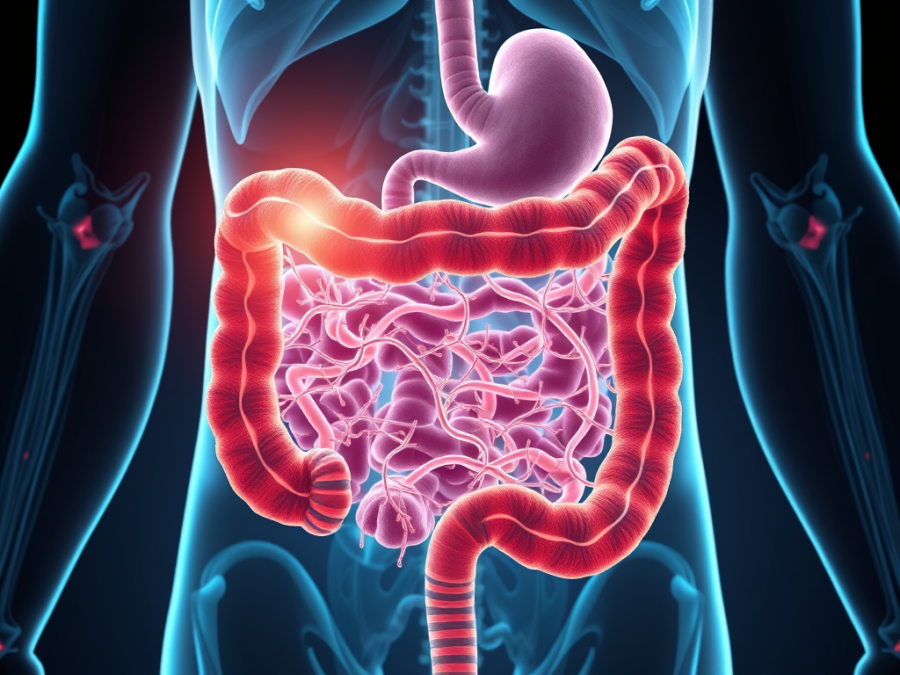
Several procedures are available. Sleeve gastrectomy is the most common worldwide. About 80% of the stomach is removed, limiting intake and changing hunger hormones. Patients typically lose 55 to 60% of excess weight. The operation is shorter than bypass and hospital stays run one to two days. Worsening reflux is the main downside (Peterli et al., JAMA, 2018).

Roux-en-Y gastric bypass has decades of long-term data behind it. A small pouch connects to the small intestine, bypassing part of the digestive tract. Average weight loss runs 60 to 70% of excess weight, diabetes remission rates are high, and reflux often improves. Risks include vitamin deficiencies, marginal ulcers, and internal hernias (Higa et al., Surg Obes Relat Dis, 2011).

One anastomosis gastric bypass simplifies the technique and shows promising results for weight and comorbidities, with higher risk of bile reflux and deficiencies. Duodenal switch and SADI combine a sleeve with intestinal rerouting. These are the most powerful options for diabetes remission and weight loss and they demand the most careful long-term monitoring. Gastric banding is now rare. It once looked appealing because it was reversible and low-risk, and the weight loss proved modest while long-term reoperation rates ran high (Genco et al., Surg Obes Relat Dis, 2016).

The randomized evidence is strong. Trials by Mingrone, Schauer, and Ikramuddin all demonstrated higher diabetes remission with surgery than with medical therapy alone, and the Schauer and Mingrone cohorts held those differences out to five and ten years (Schauer et al., NEJM, 2012 and 2017; Mingrone et al., Lancet, 2015 and 2021; Ikramuddin et al., JAMA, 2018).

Weight regain happens. About one in five patients regains some weight after bypass, from changes in anatomy or lapses in eating and activity. Surgeons can offer revision: re-sleeving, converting sleeve to bypass, or tightening pouches. These get tailored to the individual.

Long-term success depends on follow-up. Regular labs, nutrition counseling, ongoing team support. Lifelong vitamin and mineral supplementation is required rather than optional. Behavioral support matters, because habits carry as much weight as anatomy over years.

Weight loss surgery is one of the most powerful tools we have for a disease that is otherwise progressive and difficult to manage. With careful preparation, modern technique, and sustained follow-up, patients see improvements in weight, health, and quality of life that few other interventions produce.

Scott Rennie, D.O.

References:

1. National Center for Health Statistics. Prevalence of Overweight, Obesity, and Severe Obesity Among Adults Age 20 and Older: United States, August 2021–August 2023. https://www.cdc.gov/nchs/data/hestat/obesity-adult-17-18/obesity-adult.htm

2. Sjöström L, et al. Effects of bariatric surgery on mortality in Swedish obese subjects. N Engl J Med. 2007;357(8):741-752. https://pubmed.ncbi.nlm.nih.gov/17715408/

3. Adams TD, et al. Long-term mortality after gastric bypass surgery. N Engl J Med. 2007;357(8):753-761. https://pubmed.ncbi.nlm.nih.gov/17715409/

4. Eisenberg D, et al. 2022 American Society for Metabolic and Bariatric Surgery (ASMBS) and International Federation for the Surgery of Obesity and Metabolic Disorders (IFSO) Indications for Metabolic and Bariatric Surgery. Surg Obes Relat Dis. 2022;18(12):1345-1356. https://pubmed.ncbi.nlm.nih.gov/36280539/

5. Schauer PR, et al. N Engl J Med. 2012;366(17):1567-1576; and N Engl J Med. 2017;376(7):641-651.

6. Mingrone G, et al. Lancet. 2015;386(9997):964-973; and Lancet. 2021;397(10271):293-304.

7. Ikramuddin S, et al. JAMA. 2018;319(3):266-278.

8. Peterli R, et al. Effect of Laparoscopic Sleeve Gastrectomy vs Laparoscopic Roux-en-Y Gastric Bypass on Weight Loss in Patients With Morbid Obesity: The SM-BOSS Randomized Clinical Trial. JAMA. 2018;319(3):255-265. https://pubmed.ncbi.nlm.nih.gov/29340679/

9. Higa K, et al. Surg Obes Relat Dis. 2011;7(4):516-525.

10. Genco A, et al. Surg Obes Relat Dis. 2016;12(10):1783-1788.

Board Certified in Obesity Medicine and Family Medicine

This blog is for educational purposes only and does not constitute individual medical advice. Always consult your own physician before making changes to your health, medications, or treatment plan.

How the Gut Affects Diabetes and Metabolic Disease

When we think about metabolic disease, attention goes to blood sugar, insulin, and fat. Another organ drives much of the process quietly, and it is the gut.

Calling the gut a digestive tube undersells it badly. It is a complex, dynamic system that shapes how we handle nutrients, regulate hormones, and respond to infection. Researchers now treat it as central to metabolic health, and that shift has opened new thinking about both prevention and treatment.

Consider what it actually contains. Its own nervous system, sometimes called the second brain. An endocrine system producing GLP-1, PYY, and ghrelin. A major site of immune defense. And constant interaction with the trillions of microbes living inside it. Together these systems determine how food gets processed, when fullness registers, and how glucose is regulated (Seeley et al., Cell Metab, 2015).

The gut-brain conversation is the powerful part. Signals move both directions. Hormones, nerve messages, and bacterial metabolites all feed into how the brain regulates appetite and metabolism. This is a large part of why simple calorie counting fails so often. The gut can override willpower, and the brain listens closely to what it says.

Bariatric surgery demonstrates the whole system in action. Vertical sleeve gastrectomy and Roux-en-Y gastric bypass do far more than reduce stomach size. They produce wide-reaching changes in gut physiology that explain why they work so well for weight loss and diabetes control. After surgery, GLP-1 rises, insulin sensitivity improves, food preferences shift, and bile acid metabolism changes. The gut barrier tightens, which reduces inflammation. Most striking of all, patients often defend a new, lower body weight afterward, which suggests the whole regulatory system has reset (Stefater et al., Gastroenterology, 2010). Bile acid signaling appears central to that reset, and it holds across procedures (Myronovych et al., Obesity, 2014).

Nutrient signaling changes too. Iron metabolism is altered after surgery, and the change has been linked to HIF-2α signaling pathways that also improve glucose handling and GLP-1 release (Evers et al., Cell Rep, 2022). Adaptations like that are hard to explain with mechanical restriction alone.

The microbiome is another piece. Surgery shifts bacterial composition toward communities associated with healthier metabolism, and barrier function improves alongside it. Molecules like Reg3g strengthen the gut lining, increasing mucus and reducing leakiness, which lowers systemic inflammation and metabolic stress (Shin et al., Cell Metab, 2022).

These insights point toward treatments that skip the operating room. GLP-1 receptor agonists reproduce some of the hormonal effects seen after bypass or sleeve. Bile acid modulators, microbiome therapies, and strategies targeting iron signaling are all under study as ways into the same pathways.

Seen this way, the gut is where the body decides how to use energy, how to balance hormones, and how to regulate immunity. For patients, that science explains why surgery and gut-focused medications can make such a difference. For clinicians, it suggests the most effective treatment plans will be the ones that respect what the gut is actually doing.

Scott Rennie, D.O.

References:

1. Seeley RJ, Chambers AP, Sandoval DA. The role of gut adaptation in the potent effects of multiple bariatric surgeries on obesity and diabetes. Cell Metab. 2015;21(3):369-378. https://pubmed.ncbi.nlm.nih.gov/25662404/

2. Stefater MA, et al. Sleeve gastrectomy induces loss of weight and fat mass in obese rats, but does not affect leptin sensitivity. Gastroenterology. 2010;138(7):2426-2436. https://pubmed.ncbi.nlm.nih.gov/20226189/

3. Myronovych A, et al. Vertical sleeve gastrectomy reduces hepatic steatosis while increasing serum bile acids in a weight-loss-independent manner. Obesity (Silver Spring). 2014;22(2):390-400. https://pubmed.ncbi.nlm.nih.gov/23847068/

4. Evers SS, et al. Cell Rep. 2022;38(11):110487.

5. Shin JH, et al. Cell Metab. 2022;34(5):747-761.e6.

Board Certified in Obesity Medicine and Family Medicine

This blog is for educational purposes only and does not constitute individual medical advice. Always consult your own physician before making changes to your health, medications, or treatment plan.
Why Stress Makes You Hungry: The Link to Obesity

One of the harder conversations I have with patients carrying overweight and obesity is about stress and eating. People tell me they reach for snacks when they are anxious or exhausted. That part is familiar to everyone. What is less obvious is how thoroughly stress rewrites the biology of appetite, and how far past willpower the problem sits.

Under ordinary circumstances, hunger runs on homeostatic systems responding to real energy needs. Stress shifts that balance toward non-homeostatic eating, meaning eating driven by something other than fuel. Cortisol rises. Brain reward pathways get stimulated. Cravings sharpen for calorie-dense, highly processed food. Over time the pattern feeds visceral fat gain and insulin resistance (Adam & Epel, Physiol Behav, 2007).

The affect regulation model explains the loop. Stress raises negative emotion, anxiety, sadness, tension. Eating reduces those feelings briefly. That behavior can escalate into binge episodes defined by loss of control and large quantities of food, and binge eating then reinforces itself psychologically and biologically (Heatherton & Baumeister, Psychol Bull, 1991; Telch & Agras, Int J Eat Disord, 1996). Cortisol rises further, abdominal fat increases, glucose spikes worsen insulin resistance.

Sleep and physical activity sit on top of this. Poor sleep increases cravings and erodes impulse control. Exercise works the other way, spending energy while lowering stress and improving mood, and patients who increase activity often find cravings less overwhelming. Food type matters too. Ultra-processed products are engineered to be hyper-palatable and push reward systems harder than whole foods do. Sugary drinks and fructose-rich snacks impair satiety and drive fat storage.

Identifying stress eating often starts with a plain question. I ask patients whether they feel they eat more than the people around them, or whether they ever feel out of control around food. Those two questions surface patterns people have struggled to put into words. Catching it early makes everything downstream more effective.

Patients with stress eating or binge eating disorder face additional obstacles. They drop out of weight programs at higher rates, regain faster, and need strategies reaching past diet and exercise. Emotional regulation, awareness of hunger and fullness cues, and methods for reducing stress responses all become part of the treatment rather than adjuncts to it. Emotion regulation deficits are well documented in binge eating disorder specifically (Czaja, Rief & Hilbert, Int J Eat Disord, 2009).

Mindfulness has trial support. The SHINE study found that a mindfulness-based intervention reduced reward-driven eating and improved fasting glucose in adults with obesity, with modest but real weight change and without strict calorie counting (Daubenmier et al., Obesity, 2016; Mason et al., J Behav Med, 2016). Cognitive behavioral therapy is the other well-supported tool, particularly for binge eating disorder. Both give patients skills for managing stress that don’t route through food.

Medication has a role. Lisdexamfetamine is FDA-approved for moderate to severe binge eating disorder. SSRIs and topiramate get used in selected cases. Continuous glucose monitoring has been explored as a way to show patients how binge episodes register physiologically in real time, and the work so far is early and promising rather than established (Presseller et al., Int J Eat Disord, 2024). Bariatric surgery remains an option, though outcomes may be less favorable when binge behaviors haven’t been addressed first.

Stress eating is biology, psychology, and environment colliding in ways that push people toward overeating, and weak discipline explains none of it. Naming it and treating both the triggers and the physiology is what breaks the cycle. Treatment combining stress management, emotional regulation, and behavioral support makes lasting change realistic.

Scott Rennie, D.O.

References:

1. Adam TC, Epel ES. Stress, eating and the reward system. Physiol Behav. 2007;91(4):449-458. https://pubmed.ncbi.nlm.nih.gov/17543357/

2. Heatherton TF, Baumeister RF. Binge eating as escape from self-awareness. Psychol Bull. 1991;110(1):86-108. https://pubmed.ncbi.nlm.nih.gov/1891520/

3. Telch CF, Agras WS. Do emotional states influence binge eating in the obese? Int J Eat Disord. 1996;20(3):271-279. https://pubmed.ncbi.nlm.nih.gov/8912039/

4. Czaja J, Rief W, Hilbert A. Emotion regulation and binge eating in children. Int J Eat Disord. 2009;42(4):356-362. https://pubmed.ncbi.nlm.nih.gov/19040265/

5. Daubenmier J, et al. Effects of a mindfulness-based weight loss intervention in adults with obesity: A randomized clinical trial. Obesity (Silver Spring). 2016;24(4):794-804. https://pubmed.ncbi.nlm.nih.gov/26955895/

6. Mason AE, et al. Effects of a mindfulness-based intervention on mindful eating, sweets consumption, and fasting glucose levels in obese adults. J Behav Med. 2016;39(2):201-213. https://pubmed.ncbi.nlm.nih.gov/26563148/

7. Presseller EK, et al. Using Continuous Glucose Monitoring to Passively Classify Naturalistic Binge Eating and Vomiting Among Adults With Binge-Spectrum Eating Disorders: A Preliminary Investigation. Int J Eat Disord. 2024. https://onlinelibrary.wiley.com/doi/10.1002/eat.24266

Board Certified in Obesity Medicine and Family Medicine

This blog is for educational purposes only and does not constitute individual medical advice. Always consult your own physician before making changes to your health, medications, or treatment plan.

Eating Disorders in People With Obesity: Combining Care

Working with patients who struggle with obesity, I see how often excess weight and disordered eating overlap. The two get treated as separate problems, sometimes as opposites. Plenty of people live at the intersection, and ignoring that connection makes treatment less effective and occasionally harmful.

Eating disorders are psychiatric conditions in which eating patterns or related behaviors disrupt health or functioning (APA, DSM-5-TR, 2022). They affect people across all ages, genders, and body sizes. The DSM-5-TR describes anorexia nervosa, bulimia nervosa, binge eating disorder, avoidant or restrictive food intake disorder, and others. Each has distinct features. All carry real medical and psychological risk.

Binge eating disorder matters most in this conversation. It is the most common eating disorder in the United States. Patients describe episodes of eating large amounts with a loss of control, followed by guilt, shame, or depression, without the vomiting or other compensatory behaviors seen in bulimia. Lifetime prevalence runs around 0.85% of U.S. adults, with 12-month prevalence near 0.44% (Udo & Grilo, Biol Psychiatry, 2018; Hudson et al., Arch Gen Psychiatry, 2007). Among patients seeking behavioral weight loss treatment, roughly one in ten meet criteria (Chao et al., Obesity, 2017). Among adults presenting for bariatric surgery, meta-analytic estimates using DSM-5 criteria put it near 14% (Hilbert et al., Int J Eat Disord, 2020).

Why does this matter? Untreated binge eating disorder makes weight loss programs harder to sustain. Patients drop out more often, regain faster, and carry higher rates of depression, anxiety, and substance use. The metabolic toll shows up as more diabetes and hypertension. Identifying it early lets us adapt care, often by starting with cognitive behavioral therapy or another evidence-based treatment before any weight loss effort.

Eating disorders leave physical findings, and a fair number of them are visible on a video call. Dry skin, thinning hair, and the fine body hair of anorexia are all things a patient can show on camera. Parotid enlargement in bulimia is visible. Dental enamel erosion isn’t, and neither are the electrolyte abnormalities that matter most, which is where labs and a low threshold for in-person referral come in. Severe cases can develop life-threatening arrhythmias. Binge eating disorder is more often associated with metabolic changes, elevated liver enzymes and worsening insulin resistance. Psychiatric comorbidity is frequent across the whole spectrum, including depression, anxiety, PTSD, and ADHD (Hilbert et al., Psychol Med, 2014).

It is a mistake to think only thin patients have eating disorders. Many patients with obesity have restrictive patterns, obsessive food thoughts, or emotional eating cycles. I have seen patients try extreme diets, binge during periods of stress, then spiral into weight cycling. Others present with nutrient deficiencies despite high calorie intake. Body size rules an eating disorder neither in nor out.

Screening is where this gets caught. The SCOFF questionnaire and the Eating Disorder Screen for Primary Care are short and practical. Even plain questions about body image, eating patterns, or feeling out of control with food will surface problems. When the psychiatric history includes depression, trauma, or substance use, suspicion should go up.

Treatment requires integration. For binge eating disorder, first-line options include cognitive behavioral therapy, interpersonal therapy, and dialectical behavior therapy (Brownley et al., Ann Intern Med, 2016; Grilo et al., Curr Obes Rep, 2023). Lisdexamfetamine, SSRIs, and topiramate help some patients. These approaches reduce binge episodes and rarely produce significant weight loss, which is worth saying to patients directly so nobody is disappointed by a treatment that is working. Obesity care gets layered in once eating behaviors stabilize. Dietitians, primary care, psychiatry, and behavioral health need to be working the same case. Heavy emphasis on BMI or food rules can backfire by reinforcing disordered thinking.

Sequencing depends on the condition. In anorexia, the priority is weight restoration and psychiatric treatment, never weight reduction. For bulimia, obesity treatment waits until binge-purge behaviors are controlled. In binge eating disorder, obesity treatment can follow once episodes are reduced and things are stable. For ARFID, individual assessment guides the approach. In every case the eating disorder comes first while symptoms are active. Starting weight loss treatment too early worsens the disorder, damages trust, and blocks recovery (Mehler et al., J Eat Disord, 2011).

Recognizing that obesity and eating disorders coexist changes how we practice. It moves the focus from weight to whole-person health. Patients need care addressing both the physical and psychological sides, which means helping them repair their relationship with food and body while long-term medical outcomes improve.

Scott Rennie, D.O.

References:

1. American Psychiatric Association. Diagnostic and Statistical Manual of Mental Disorders, Fifth Edition, Text Revision (DSM-5-TR). 2022.

2. Udo T, Grilo CM. Prevalence and Correlates of DSM-5-Defined Eating Disorders in a Nationally Representative Sample of U.S. Adults. Biol Psychiatry. 2018;84(5):345-354. https://pubmed.ncbi.nlm.nih.gov/29859631/

3. Hudson JI, et al. The prevalence and correlates of eating disorders in the National Comorbidity Survey Replication. Arch Gen Psychiatry. 2007;61(3):348-358. https://pubmed.ncbi.nlm.nih.gov/16815322/

4. Chao AM, et al. Obesity (Silver Spring). 2017;25(4):713-720.

5. Hilbert A, et al. Meta-analysis on the long-term effectiveness of psychological and medical treatments for binge-eating disorder. Int J Eat Disord. 2020;53(9):1353-1376. https://pubmed.ncbi.nlm.nih.gov/32583527/

6. Hilbert A, et al. Psychol Med. 2014;44(15):3239-3250.

7. Brownley KA, et al. Binge-Eating Disorder in Adults: A Systematic Review and Meta-analysis. Ann Intern Med. 2016;165(6):409-420. https://pubmed.ncbi.nlm.nih.gov/27367316/

8. Grilo CM, et al. Curr Obes Rep. 2023.

9. Mehler PS, et al. J Eat Disord. 2011.

Board Certified in Obesity Medicine and Family Medicine

This blog is for educational purposes only and does not constitute individual medical advice. Always consult your own physician before making changes to your health, medications, or treatment plan.

Does Poor Sleep Make You Gain Weight? Sleep and Obesity

When we talk about weight management, the conversation centers on diet and exercise. Both are critical. Sleep gets skipped. The research keeps showing it as a major player in metabolism, appetite, and energy balance, and for patients working on weight, the link is worth understanding.

Sleep is a biologic state touching nearly every system. The American Academy of Sleep Medicine and the Sleep Research Society jointly recommend seven or more hours a night for adults, and their consensus statement links shorter sleep to weight gain and obesity among other outcomes (Watson et al., Sleep, 2015). Too little of it throws off hormones, eating patterns, and decision-making around food.

Short sleep tracks consistently with higher obesity risk. In a controlled crossover study, adults restricted to four hours a night for five nights consumed roughly 300 calories more per day than the same people sleeping nine hours, with the excess weighted toward fat and carbohydrate (St-Onge et al., Am J Clin Nutr, 2011). Sleep restriction raises ghrelin, which drives hunger, and lowers leptin, which signals fullness (Spiegel et al., Ann Intern Med, 2004). Patients also snack more often and stretch their eating window across the day (Barragan et al., J Clin Sleep Med, 2023).

Brain imaging helps explain it. After sleep loss, reward centers light up in response to images of calorie-dense food. People report stronger cravings and are willing to pay more for high-calorie options after a single bad night (St-Onge et al., Am J Clin Nutr, 2012; Rihm et al., J Neurosci, 2019). I have seen patients describe exactly this. Their self-control, as they put it, vanishes after a bad night.

Does less sleep burn more calories? Slightly, and it doesn’t help. Insufficient sleep raises total daily energy expenditure by about 5%, roughly 100 calories a day, and participants in that work ate well past the deficit and gained weight (Markwald et al., PNAS, 2013). More hours awake means more hours eating. The net energy balance goes the wrong direction.

Poor sleep also undermines weight loss efforts directly. In a calorie restriction study, participants with short sleep lost more lean mass and less fat than those sleeping adequately (Nedeltcheva et al., Ann Intern Med, 2010). Variable sleep patterns predict weaker weight loss and worse food choices (Papandreou et al., Int J Obes, 2020). Running the other way, a randomized trial extending habitual sleep by just over an hour reduced daily intake by about 270 calories and produced modest weight loss with no diet changes at all (Tasali et al., JAMA Intern Med, 2022). That trial is the one I find most useful with patients, because it asks for something people can actually do.

The practical implication is that sleep is an active part of metabolism rather than optional recovery time. I suggest patients track it alongside food and steps, the same way they might track blood pressure or glucose.

Simple things help. Consistent bed and wake times support circadian rhythm. A cool, dark, quiet room improves quality. Avoiding caffeine, alcohol, or heavy meals before bed makes a measurable difference. When patients wake in the night, I tell them not to lie there clock-watching. Getting up briefly, reading, and returning to bed when sleepy works better. Small adjustments, and they shift the trajectory.

For providers, the take-home is to ask about sleep the way we ask about diet or exercise. For patients, prioritizing it changes appetite, energy, and weight in ways that show up on a scale. Nutrition and activity matter enormously, and without adequate sleep the system is working against both.

Scott Rennie, D.O.

References:

1. Watson NF, et al. Recommended Amount of Sleep for a Healthy Adult: A Joint Consensus Statement of the American Academy of Sleep Medicine and Sleep Research Society. Sleep. 2015;38(6):843-844. https://pubmed.ncbi.nlm.nih.gov/26039963/

2. St-Onge MP, et al. Short sleep duration increases energy intakes but does not change energy expenditure in normal-weight individuals. Am J Clin Nutr. 2011;94(2):410-416. https://pubmed.ncbi.nlm.nih.gov/21715510/

3. Spiegel K, et al. Brief communication: Sleep curtailment in healthy young men is associated with decreased leptin levels, elevated ghrelin levels, and increased hunger and appetite. Ann Intern Med. 2004;141(11):846-850. https://pubmed.ncbi.nlm.nih.gov/15583226/

4. Barragan R, et al. J Clin Sleep Med. 2023;19(10):1785-1794.

5. St-Onge MP, et al. Sleep restriction leads to increased activation of brain regions sensitive to food stimuli. Am J Clin Nutr. 2012;95(4):818-824. https://pubmed.ncbi.nlm.nih.gov/22357722/

6. Rihm JS, et al. J Neurosci. 2019;39(5):888-899.

7. Markwald RR, et al. Impact of insufficient sleep on total daily energy expenditure, food intake, and weight gain. Proc Natl Acad Sci USA. 2013;110(14):5695-5700. https://pubmed.ncbi.nlm.nih.gov/23479616/

8. Nedeltcheva AV, et al. Insufficient sleep undermines dietary efforts to reduce adiposity. Ann Intern Med. 2010;153(7):435-441. https://pubmed.ncbi.nlm.nih.gov/20921542/

9. Papandreou C, et al. Int J Obes (Lond). 2020;44(6):1279-1285.

10. Tasali E, et al. Effect of Sleep Extension on Objectively Assessed Energy Intake Among Adults With Overweight in Real-life Settings: A Randomized Clinical Trial. JAMA Intern Med. 2022;182(4):365-374. https://pubmed.ncbi.nlm.nih.gov/35129580/

Board Certified in Obesity Medicine and Family Medicine

This blog is for educational purposes only and does not constitute individual medical advice. Always consult your own physician before making changes to your health, medications, or treatment plan.

Weight Loss Drug Side Effects and How Common They Are

As more patients start anti-obesity medications, the question that comes up most is about side effects. These drugs are powerful tools for weight loss and metabolic health. They aren’t without risk. Knowing what to expect and how to manage it often decides whether someone stays on treatment or quits in month two.

Gastrointestinal effects are the ones I hear about most. Nausea leads the list. In STEP 1, which studied semaglutide 2.4 mg in adults without diabetes, nausea affected 44.2% of participants against 17.4% on placebo (Wilding et al., NEJM, 2021). In SCALE, the corresponding trial of liraglutide 3.0 mg, nausea affected 40.2% versus 14.7% on placebo (Pi-Sunyer et al., NEJM, 2015). Those two trials are the source of most of the numbers in this post, and they studied different drugs. Smaller meals, avoiding high-fat food, and slow dose titration usually get patients through it.

Constipation and diarrhea both follow the same pattern, common early and improving with time. Hydration, added fiber, and sometimes a stool softener handle most constipation. Diarrhea occasionally warrants a dose adjustment. Rarely, delayed gastric emptying can progress toward obstruction, which presents as bloating, pain, and vomiting and needs prompt evaluation.

Pancreatitis is uncommon and serious. In SCALE, acute pancreatitis occurred in a small number of liraglutide patients and none on placebo, at an incidence around 0.3%. Severe abdominal pain radiating to the back with nausea and vomiting should trigger immediate discontinuation and workup.

Gallbladder disease is a real risk and it is mostly a consequence of the weight loss itself. In SCALE, cholelithiasis occurred in 1.5% of liraglutide patients versus 1.1% on placebo, and acute cholecystitis in 0.8% versus 0.4%. Rapid weight loss and changes in bile concentration are the likely mechanism, which means the risk travels with any effective therapy rather than with this drug class specifically.

Hypoglycemia is uncommon with GLP-1 receptor agonists used alone in patients without diabetes, because these drugs stimulate insulin secretion in a glucose-dependent way. Risk climbs sharply in combination with insulin or a sulfonylurea. That combination is where monitoring and dose adjustment of the background agent become necessary, and it is worth addressing before starting rather than after the first low reading.

Thyroid cancer risk is rare and gets asked about constantly. GLP-1 receptor agonists carry a boxed warning for medullary thyroid carcinoma based on rodent C-cell tumor data, and they are contraindicated in anyone with a personal or family history of medullary thyroid carcinoma or multiple endocrine neoplasia type 2. Human data haven’t established a causal link, and a widely publicized French case-control study reporting an association drew substantial methodological criticism in the same journal (Bezin et al., Diabetes Care, 2023). I tell patients the contraindication is firm and the population-level risk remains unproven.

Kidney injury is rare and usually a consequence of dehydration after vomiting or diarrhea rather than a direct drug effect. Pushing fluids during dose escalation is an easy preventive step.

Heart rate increases are reported as well. Resting heart rate can rise by roughly one to four beats per minute on semaglutide or tirzepatide. Palpitations should always be reported.

Pregnancy deserves its own conversation. These medications aren’t recommended during pregnancy, and semaglutide should be stopped at least two months before conception. There is also an interaction with oral contraceptives, since delayed gastric emptying affects absorption. For tirzepatide, patients on oral contraceptives should switch to a non-oral method or add a barrier method for four weeks after starting and for four weeks after each dose increase.

Injection site reactions occur in a small percentage of patients, usually three to five percent. Redness, swelling, and itching are the usual complaints, and rotating sites with good technique resolves most of it.

None of this means patients should avoid these medications. Awareness and early management are what keep people on treatment. I often tell patients to call me if nausea or constipation is interfering with their day-to-day life rather than waiting for the next follow-up. Small changes in dosing or diet usually make the drug tolerable again.

Anti-obesity medications work, and they need thoughtful monitoring. With open communication, most side effects are manageable and most patients stay on track.

Scott Rennie, D.O.

References:

1. Wilding JPH, et al. Once-Weekly Semaglutide in Adults with Overweight or Obesity (STEP 1). N Engl J Med. 2021;384(11):989-1002. https://pubmed.ncbi.nlm.nih.gov/33567185/

2. Pi-Sunyer X, et al. A Randomized, Controlled Trial of 3.0 mg of Liraglutide in Weight Management (SCALE). N Engl J Med. 2015;373(1):11-22. https://pubmed.ncbi.nlm.nih.gov/26132939/

3. Bezin J, et al. GLP-1 Receptor Agonists and the Risk of Thyroid Cancer. Diabetes Care. 2023;46(2):384-390. https://pubmed.ncbi.nlm.nih.gov/36356111/

Board Certified in Obesity Medicine and Family Medicine

This blog is for educational purposes only and does not constitute individual medical advice. Always consult your own physician before making changes to your health, medications, or treatment plan.