
Clear water bottle on a wooden café table with coffee and menu

Traveler’s Diarrhea: What Every Traveler Should Know

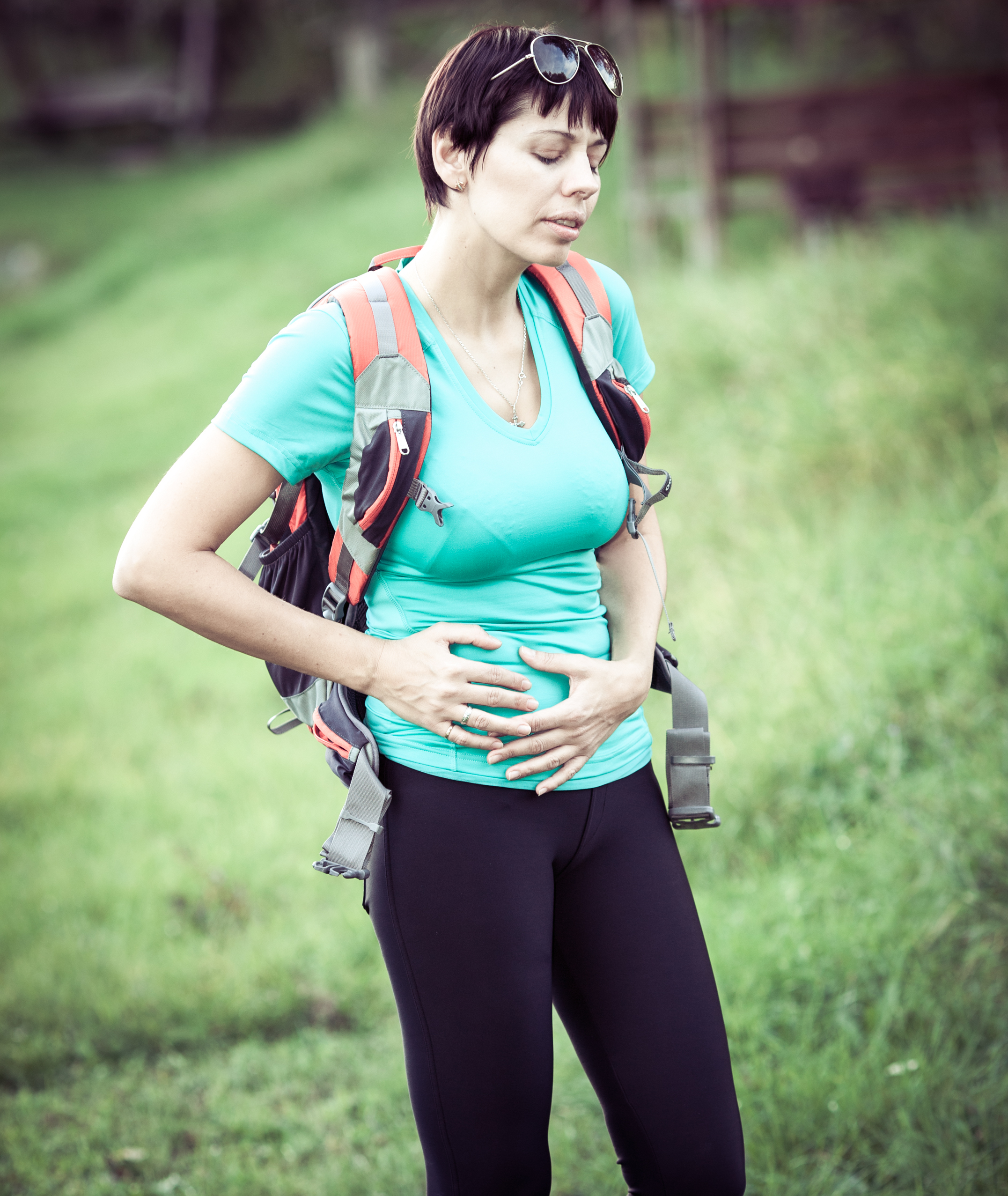
shutterstock_158924261I give credit to Dr. Gene Allred for the information that I’ve learned and posted here.  He is an expert in Wilderness and Travel Medicine. I enjoy travelling, but I am always concerned the possibility of developing diarrhea when I go the backcountry or remote areas.  The majority of cases of traveler’s diarrhea (TD) occur in the first 2 weeks of travel. Symptoms:  The “typical” symptoms are either 4 loose stools in 24 hours or 3+ loose stools per day x 4-5 days plus at least one of the following:  nausea, vomiting, abdominal pain, fever (10%), blood in the stools (15%).  Symptoms can begin as early as 8-10 hours after exposure to contaminated food or water.  With persistent diarrhea (>14 days) we usually consider a parasitic infection with Giardia, E. histolytica, Crypto, or Cyclospora more likely. The majority of diarrheal diseases improve on their own and specific tests to identify the pathogen may not be necessary.  Treatment typically involves ensuring adequate fluid replacement, and empiric antibiotic treatment.  If there is fever along with abdominal pain and dysentery we will obtain a stool culture to look for Salmonella, Shigella and Campylobacter as well for ova and parasites. We used to think that water contaminated with bacteria was the way the infection was spread from person-to-person but we now know that the flies spread the disease very effectively.  The travel from fecal samples and then land on food that’s been sitting out. Diarrhea can be caused from viruses, bacteria or protozoan.  The most common pathogen that causes diarrhea in travellers is E-Coli.   Bacteria cause 50-75% of TD with E-Coli causing 25-40%, Campylobacter – 0-30%, Salmonella 0-15%, and Shigella 0-15%.  Protozoan cause 0-5% of TD, and viruses cause 0-20%. I try to take meticulous drinking water precautions (including ice) but it’s often very challenging.  When I go out in the backcountry or to remote areas I take along water purification tablets such as chlorine dioxide.  Boiling water for at least 1 minute can be helpful, as can chemical disinfection, filtration and use of UV devices.  Remember to cook your food well, and peel all your fruits and vegetables – it’s easy to remember but impossible to do.  As the saying goes “Boil it, cook it, peel it, or forget it!” Diagnosis:  I’m not sure if there is any hard and fast rule for diagnosing traveler’s diarrhea when out in the field without access to a laboratory, but if I’m with a group of people in a developing country and one of the group members has at least one loose stool, I treat them for traveler’s diarrhea.  In the clinic, we can check the stool cultures and for ova & parasites, but we usually only need to do this if there are symptoms of fever, bloody stools or persistent abdominal pain. Treatment:  There is increasing resistance of campylobacter to the fluroquinolone medications such as Cipro.  Azithromycin has been found to be a better choice – 1000mg taken daily for 2-3 days usually works well. Rifaximin is a newer antibiotic with few side effects and has a broad spectrum of coverage – the dose is 200mg three times a day for three days.   PeptoBismol often improves diarrhea and cramps (2 tablets every 30 minutes for up to 8 doses).   If there is no fever, vomiting or blood in the stool, loperamide can help reduce the frequency of diarrhea and can be invaluable for long bus rides. If there is persistent infection, even after treatment with antibiotics we think about the cause being a protozoa.  Giardia is a protozoan that can be detected by a immunoassay and causes diarrhea that lasts for 10 days or longer.  Nitazoxanide (Alinia) 500mg twice a day for three days or Tinidazole (Tiniba) 2 grams in a single dose for adults. Cryptosporidiosis can be a concern, however it is very sensitive to heat.  Even 65 degrees C will kill it, so just boil the water. In third world countries, we wary of swimming in fresh water or going barefooted because there are infectious agents that can get through the skin and cause serious infections (Schistosomiasis, Leptospirosis and Crytopsoridium). Prevention when travelling:  Here are a few of my recommendations about preventing traveler’s diarrhea with water precautions: 1)   Drink carbonated water from a sealed container – the carbonation process kills many pathogens – beer is also acceptable 2)   If non-carbonated, bring beverages to a boil – you can bring them just up to boiling temperature 3)   Avoid ice cubes in your beverages unless you prepared them If you are interested in learning more about wilderness medicine, a great resource for information is the wilderness medical society:  http://www.wms.org/   Stay safe, and happy travels,

Scott Rennie, D.O.
Board Certified in Obesity Medicine and Family Medicine

This blog is for educational purposes only and does not constitute individual medical advice. Always consult your own physician before making changes to your health, medications, or treatment plan.
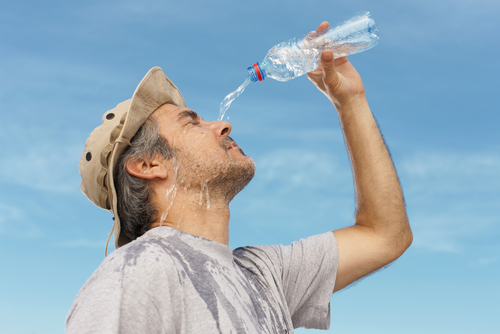
Hiker drinking water and cooling forehead with a blue cloth

Heat Illness: How to Stay Safe in the Outdoor Summer Heat

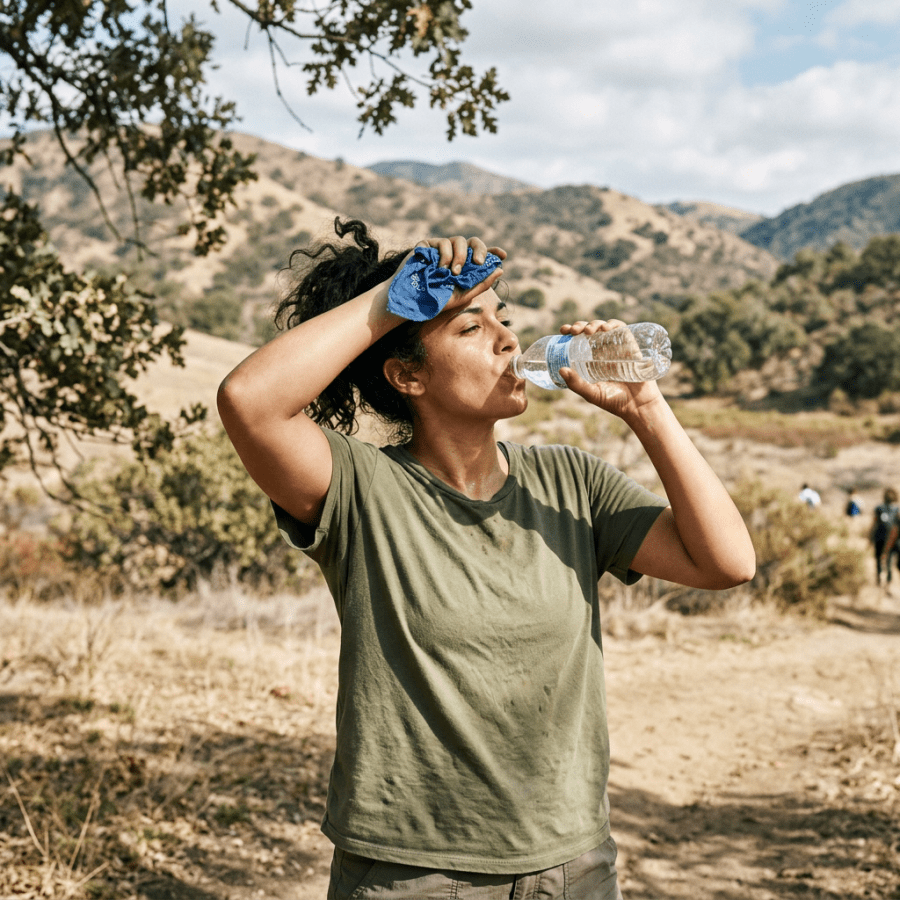
shutterstock_149986745Each year there are many people who get sick or die due to overexposure to heat.  In 2001, a professional football player Korey Stringer died of heat stroke during a Minnesota Vikings training camp, and Steve Bechler major league baseball player for the Baltimore Oriels also died for heat stroke. The heat wave that hit Europe in 2003 caused more than 70,000 deaths. Patients often present to the urgent care for heat related illness, and with the rising temperatures of summer approaching I think it’s important to discuss the topic of heat illness. Heat exhaustion is common and most of us have experienced this at least once in our lives.  It can occur when the core body temperature rises greater than 98.6 degrees the patient may have some or all of the symptoms including:
  1. Rapid heart rate
  2. Sweating
  3. Nausea and vomiting
  4. Headache
  5. Dizziness
  6. Fainting with rapid return of normal mental status
  7. Severe thirst
  8. Signs of mild to moderate dehydration
Not all of these signs need to be present to diagnose heat exhaustion. Understanding the signs and symptoms of heat stroke (note this is different from heat exhaustion described above) is important to help prevent this potentially life threatening illness.  When the patient’s core temperature reaches 104 degrees F or higher, then may begin to have an altered mental status and have symptoms of confusion.  They may or may not have sweating (the lack of sweating is a late sign of heat stroke – DO NOT WAIT FOR LACK OF SWEATING TO TREAT FOR HEAT ILLNESS).  They might also complain of flu-like symptoms and have a rapid heart rate and low blood pressure. Heat illness patients may have have difficulty with balance, confusion and the late signs of heat illness may be seizures, coma or an abnormal heart rate called ventricular fibrillation.  Heat stroke is more common in environments with high temperatures and when the patient is exercising out in the heat without drinking enough fluids.  It may be worse in a humid climate. Studies done on runners have shown that dehydration alone is capable of elevating body temperatures, so preventing dehydration is very important in reducing risks of heat related illness. **Heat exhaustion and heat stroke are probably a continuum of heat disorders rather than distinct pathophysiologic entities. In the setting of heat illness, patients with dizziness, decreased mental status, confusion, headache, or balance problems  should be treated for heat stroke. Prevention of heat stroke:  If the patient is an athlete or will be doing vigorous physical activity, it is important to acclimatize for 8-12 days prior to exercise.  The military uses this technique with soldiers prior to sending them to Iraq where the cycle on exercise bikes in a sauna.  With acclimatization, sweating will start earlier and there will be an increased rate of sweating and decreased loss of salts. 97% of cooling occurs at the skin/air interface which functions similar to the radiator of your car.  Dilation of blood vessels at the surface of the skin allows more heat loss and evaporation on the skin also increases the rate of heat loss. It’s also important to help decrease temperatures earlier if you develop symptoms of heat exhaustion so that this does not progress to heat stroke.  Getting out of the direct sunlight, increasing fluid intake, and increasing evaporative cooling can all be helpful.  Since vasoconstriction happens when spraying the skin with cold water, it may be more efficient to help with evaporative cooling by spraying room temperature water on the skin to help prevent the blood vessels in the skin from constricting and keeping the process of vasoconstriction from occurring. Risk factors for heat exhaustion or heat stroke may include:
  1. Elderly patients because they may have decreased heart function.  To maintain their blood pressure, than may actually constrict their blood vessels (rather than dilate their blood vessels) which may worsen heat illness.
  2. Medications such as beta-blockers because they do not allow the heart rate to increase.  Also anticholinergic medications that decrease sweating can make it harder to sweat and thus lead to increased temperatures. Diuretics may predispose to dehydration
  3. Exercising in very hot/humid temperatures
  4. People who are not acclimatized to hot temperatures
  5. The use of illicit drugs such as methamphetamines may decrease the ability to sweat and increase the generation of heat production.
  6. Neonates lack thermoregulatory and sweating capabilities
  7. Obese individuals have more insulation and less surface-area-to volume ration with which to dissipate heat
  8. Hyperthyroidism increases metabolic rate and that can lead to increase heat production
  9. Dermatology disorders over large skin areas such as burns can decrease the ability to sweat and lead to decreased cooling abilities
Treatment of Heat Stroke:  Rapid cooling is the most important treatment.  Get the heat stroke victim out of direct sunlight and to a cool area if possible.  Using ice bags in the arm pits, groin and against the skin of the neck can be helpful for cooling.  The goal should not be to cause the victim to shiver because shivering actually causes warming. IV fluids may also be helpful but are secondary to rapid cooling.   I hope that you have found this information useful.  Wishing you the best of health,

Scott Rennie, D.O.
Board Certified in Obesity Medicine and Family Medicine

This blog is for educational purposes only and does not constitute individual medical advice. Always consult your own physician before making changes to your health, medications, or treatment plan.

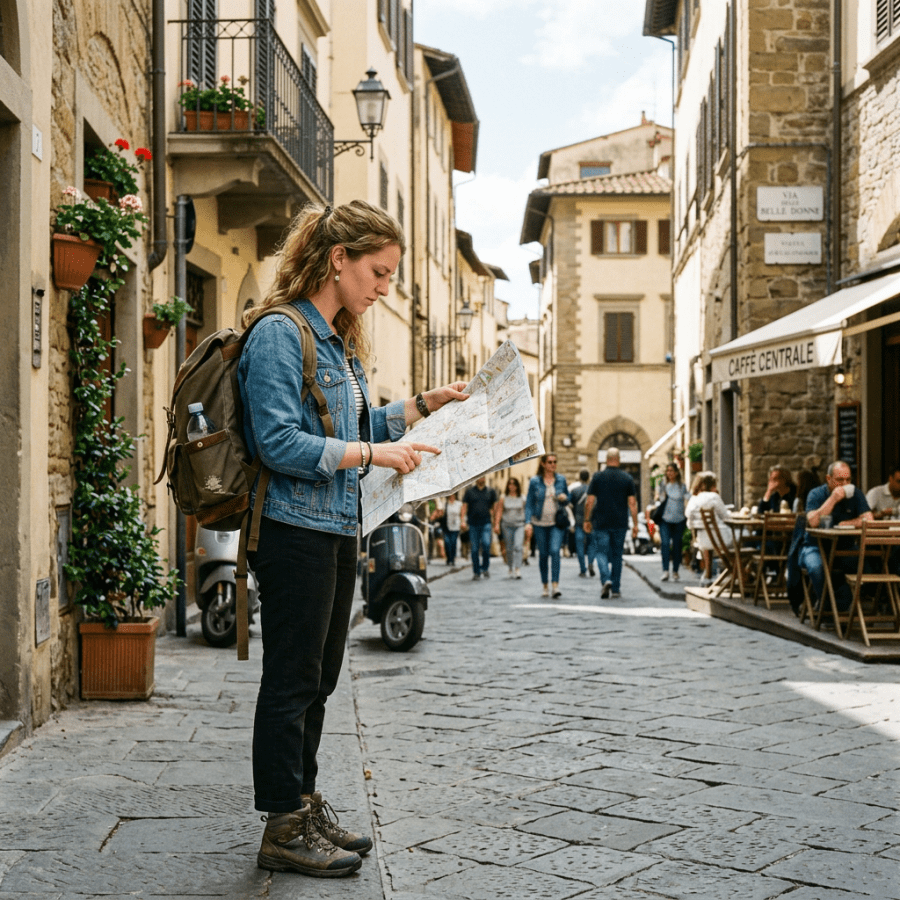
Traveler studying a map on a historic Italian street

9 Travel Tips Every Solo Female Traveler Should Know

 -  HuffingPost
The most frequently asked question I get is how I afford to travel. The second? My tips for solo female travel. I reluctantly did my first solo trip in 2007 to Zacatecas, Mexico.  I had just moved to Monterrey, Mexico to start a new teaching job the month before, and was already anxious to begin exploring the rest of the country. Zacatecas, a five-hour bus journey away, was the perfect weekend trip and a great opportunity to get myself better acquainted with the country. After searching for a travel partner and coming up empty-handed, I did something I never imagined I would do: I booked a ticket… for one. I haven’t looked back No longer a slave to others’ schedules, finances and indecision about just whether they wanted to travel with me or not, what’s followed since are a slew of solo journeys that have taken me to the literal and figurative hot spots of Central and South America, through Europe, and down to Australia. I have learned that I enjoy travelling by myself and that, more importantly, I am confident travelling by myself — though I never compromise my safety. What’s more, you are not a “loser”for rolling solo; quite the contrary in fact. Being able to travel alone signals a certain self-assuredness and a desire do to more and see more on one’s own terms. Travelling solo is freeing and helps you to become more aware, both of yourself and of your surroundings. Here are my 9 tips for solo travel if you’re a girl:
     1. Be Prepared – A well-considered itinerary helps me feel secure and keeps me occupied. I do a lot of research and planning before I get on the bus or plane or train. At the very least, as a female travelling alone, you should book your first night of accomodation before your arrival at your destination.
     2. Look Purposeful – Being prepared and knowing where you’re going helps immensely with this. Don’t show your ignorance, fear, and vulnerability while on the road — it may encourage unwanted attention and invite others to take advantage of you. Try not to idle on the sidewalk looking lost; instead approach someone who looks knowledgeable right away and confidently ask where you need to go. Bring a book to restaurants so you’re not staring off into oblivion, uncomfortably waiting for your food to come.
     3. Take Walking Tours – Kill two birds with one stone: Learn about your destination and battle loneliness at the same time. Walking tours are a great way to orient yourself, as well as meet other adventure-seekers discovering the same place as yourself.  I met to see Riverdance with a some Australians I met on a walking tour of Dublin.  I went to eat kebabs with folks I met on the free walking tour in Budapest and had fish and chips with an American couple I met on the walking tour inEdinburgh.
In the Chilean desert, I booked three days of excursions with a local operator and spending the three days touring with the same group of travellers. In all cases, strangers, became friends, at least for a little while.
     4. Stay In Hostel And Be Sociable – Most hostels have common rooms and host community building events. I’ve met tons of people in my hostel who I’ve shared precious moments with abroad.  If sharing a room with strangers creeps you out, you can always stay in a private room — many hostels have them. Prefer to stay in a hotel? No problem. Many hostels post events on their websites, and you don’t necessarily have to be a guest to attend. Don’t miss out on a prime opportunity to meet other travellers!
     5. Dress Appropriately – Yes, I know we should be able to dress any way we want. Yes, I know that no state of undress provides a valid excuse to get harassed. But let’s get real: dressing a certain way in certain places will net you attention, some of which may be negative.  I like short shorts more than anyone, but I don’t enjoy catcalls or having unsavoury people touch or follow me because three-quarters of my legs are on display. I like to remain as “below the radar”as possible when I travel, and try to blend in with the locals as much as I can.  This makes my trip much more enjoyable. I thus try to conform, at least with my clothing, to cultural norms, and dress conservatively in countries (and/or tourist sites) where it is expected.
     6. Be In Touch– Always have an emergency contact number at hand, and let people at home know your whereabouts.
I suffered an extreme bout of food poisoning last September while by myself in Guatemala and couldn’t leave my hotel room for 36 hours. Stupidly, I couldn’t even contact my boyfriend (who was at home in Germany) at the time, as I didn’t have his phone number memorized and was too sick to go to the internet cafe to look up the number online. A simple but good idea would be to take a few index cards and write down all pertinent contact information that can be used by yourself and/or others in case tragedy strikes.  Keep them on your person and distribute in case of emergency.
     7. Avoid Negative Attention – Sometimes negative attention, in particular from males, cannot be helped. My simple rule is to not engage: I ignore, I deflect, I keep it moving.  I don’t respond to taunts or negativity.  I remove myself quickly from situations where I am a target.
     8. Find A Sister In Crime – Who better to understand your plight, your fears, and your concerns than another female travelling on her own? I seek out those like myself before and during my travels, both to get the skinny on what its like to go it alone as a female in certain places, as well as to potentially buddy up on day trips and the like once I’m there. A few summers ago while travelling solo around Eastern Europe, I made friends with an American on our severely delayed train from Vienna, Austria to Krakow, Poland. By the time we got off the train, we were fast friends, and we shared our travel experiences over dinner.
Our conversation about what it’s like to travel as a girl was probably one of the most enlightening I’d had all that year, and we were shocked at how much our travel styles complimented each other.
     9. Let your hair down and enjoy! – This goes without saying. Live in the moment. Embrace the experience. Act every bit the fun, fearless, female traveller you are. And learn to relish in the luxury of your own company.

Scott Rennie, D.O.
Board Certified in Obesity Medicine and Family Medicine

This blog is for educational purposes only and does not constitute individual medical advice. Always consult your own physician before making changes to your health, medications, or treatment plan.

Silhouette of an airplane with a red cross symbol on its body flying in the sky

What Happens When Doctors Respond to Midflight Emergencies?

By 
Published: May 23, 2011
Dr. Matthew Rhoa is still haunted by one of his lowest moments as a physician. Several years ago, on the first leg of an international flight, he was just settling in for a nap when a flight attendant came on the public address system to ask, “Is there a doctor on the plane?”
Dr. Rhoa, who lives in San Francisco, didn’t push his call button. “As a gynecologist, I always waited for another doctor,” he said. “There’s never a need for a Pap smear at 30,000 feet.”
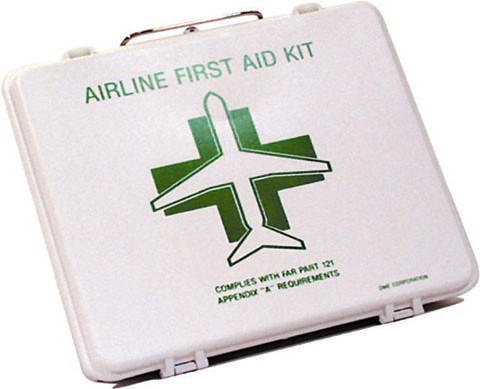
He fell asleep, only to be awakened an hour later by a second call for medical help. This time he answered, and at the back of the plane he found two anxious parents with their 18-month-old toddler, who had a cast on her broken leg and was crying inconsolably. The girl’s toes were blue. Limbs can often swell in flight, and it was clear that the cast was much too tight. Dr. Rhoa slit the cast and pried it open. The girl stopped crying at once. “I have been riddled by guilt to this day,” said Dr. Rhoa, who now promptly answers every call for medical help on a plane. “I never want that feeling again of a kid suffering like that when I could have done something sooner.” Since the earliest days of commercial aviation, airlines have coped with medical emergencies in flight by calling on physicians who happen to be passengers. And as more people travel by air, the number of emergencies has risen accordingly. “Passenger health is becoming more and more of an issue, because of increased life expectancy and more people flying with pre-existing conditions,” said Dr. Paulo Alves, a vice president at MedAire, a company that provides crew members with medical advice from physicians on the ground. MedAire, which advises more than 60 airlines around the world, managed about 19,000 in-flight medical cases for commercial airlines in 2010. Although few were life-threatening, 442 were serious enough to require diverting the plane — and 94 people died onboard. The numbers reflect a fraction of the actual number of in-flight emergencies. The Federal Aviation Administration does not track in-flight medical episodes, and airlines are not required to report them. Airborne calls for medical assistance pose a singular challenge for physicians, who find themselves suddenly caring for a stranger whose history they don’t know, often with a problem well outside their specialty, in a setting with limited equipment but no shortage of onlookers scrutinizing their every move. And they do this for no compensation. (The fact that Good Samaritan laws generally protect them from lawsuits is a small saving grace.) So it is little wonder that many physicians hesitate before responding to an emergency call. Three years ago, Dr. Peter Freed, a psychiatrist in Manhattan, answered a call for a physician during a cross-country flight. A passenger had just had a seizure. Dr. Freed told the flight attendant he had not practiced general medicine since his residency. Still, he was the only doctor to respond, and the flustered crew member told him she was grateful for any help at all. The passenger, a woman in her 30s traveling from Europe, told Dr. Freed she had a longstanding seizure disorder. He had her take her medication and remained with her, hoping she would be fine for the rest of the flight. But after another 20 minutes, she developed the uncontrollable shaking of a grand mal seizure and fell unconscious. He asked to speak to a neurologist on the ground, and within minutes the pilot was able to get one on the radio. But as Dr. Freed recalled, he was barred from the cockpit for security reasons and could not speak directly with the specialist. “I talked to the flight attendant, who talked to the captain in the cockpit, who talked to the doctor,” he said. Next came the question that many physicians who answer in-flight emergency calls face: Should the plane be diverted to a nearby airport? Ultimately, the decision rests with the pilot, but the pilot looks to the medical expert for guidance. And it is a decision that other passengers await most anxiously. After calculating that it would take as long to divert the plane as to reach their destination, Dr. Freed decided against it. Once the plane landed, an emergency medical team whisked the woman away. The pilot had Dr. Freed stand with him while passengers disembarked. As people filed past, they shook Dr. Freed’s hand and thanked him. But while that response was gratifying, the episode still felt unresolved. “Doctors typically like to hear how cases end,” Dr. Freed said. “But I didn’t hear a thing. I never even knew her name. I still think about her.” Physicians are not completely without backup in an airborne emergency. The F.A.A. requires that flight attendants undergo CPR training and that all United States airlines carry emergency medical kits and automated external defibrillators. But physicians who get a firsthand look at the kits say the contents vary. “With some planes, it’s a hospital in a box, and they have everything you could ever want,” said Dr. Paul Abramson, a primary care physician in San Francisco. “But often they look like they’ve been picked over.” Dr. Abramson said one kit he was given had implements for ventilating a patient unable to breathe, but no bag to push air into the patient — a situation akin to having a gasoline nozzle and tank, but no fuel. Another kit contained only enough intravenous saline solution to rehydrate a baby, not the 200-pound man he was tending. Dr. Paul Sullam, a faculty member at the University of California, San Francisco, said he was on a plane several years ago when a passenger seemed to be having a heart attack. The crew asked passengers if anyone had nitroglycerin tablets, small pills that are placed under the tongue to improve blood flow to the heart. No one responded. But when it asked for Valium, to calm the patient, “a forest of hands went up,” Dr. Sullam recalled. The lack of standardization was criticized in a recent article in The Journal of the American Medical Association. The paper argued not only that the medical kits should be standardized, down to the number of latex gloves, but also that a method for reporting incidents should be consistent among all airlines. “Aviation is held up as this paragon of safety, yet here’s this nasty thing that happens with no standard for reporting,” said one of the article’s authors, Dr. Melissa Mattison, associate director of hospital medicine at Beth Israel Deaconess Medical Center in Boston. “We know more about animals that die on airplanes than we do about people.” Dr. Abramson, the San Francisco physician, has answered so many emergency calls on planes that he now carries some basic medications in his toiletries bag whenever he flies, including antihistamines, prednisone, sedatives and painkillers, all “just in case they don’t have it.” He also books his flights with “Dr.” in front of his name. “That’s so that if I’m asleep, they might wake me,” he said. And he doesn’t take sleeping pills or drink alcohol in flight. “The last thing you want to do is be woken up and not be with it,” Dr. Abramson said. “I kind of like doing it,” he continued. “Because it’s what I do, and it seems helpful, and it’s interesting to make do with whatever minimal resources you have.” Dr. Abramson occasionally receives letters of thanks from the airline, and once received a free domestic ticket. “That was the best,” he said. Dr. Sullam, of U.C.S.F., said United Airlines once showed its gratitude by sending him an Arnold Palmer putter. “They must have figured all doctors play golf,” he said. (He does not, but he still has the putter.) Dr. Celine Gounder, an infectious disease specialist at Johns Hopkins who works in global public health, has answered numerous emergency calls on flights. After one such call, she was given a bottle of Champagne as she left the plane to rush for a connecting flight. “I thought, ‘What am I supposed to do with this?’ ” she recalled. She returned it to a flight attendant. Despite the pressures, the haphazard nature of the work, the lack of compensation and the risks, physicians continue to reach up and answer the call. In a world of insurance forms, rushed office visits and ubiquitous technology, many count such emergency calls among the purest expressions of their Hippocratic oath. “You feel good about trying to help someone, and that’s the most important thing,” said Dr. Ingrid Katz, an infectious disease specialist at Brigham and Women’s Hospital in Boston. “But don’t expect anything. It’s solely for the benefit of the person in need.”

Scott Rennie, D.O.
Board Certified in Obesity Medicine and Family Medicine

This blog is for educational purposes only and does not constitute individual medical advice. Always consult your own physician before making changes to your health, medications, or treatment plan.

Flat vector airport scanner icon with radiation symbol and checkmark

Airport Security Scans: What Would Your Doctor Do?

By Elizabeth Cohen, Senior Medical Correspondent
March 31, 2011 11:23 a.m. EDT
(CNN) — I was in the security line at an airport a few months ago when I watched a fellow passenger do something I’d never seen done before: He dissed the scan. “I’d like to opt out,” he said, as a security agent went scurrying for a male agent to give this man a full-body pat-down, the requirement for anyone who refuses to go through the full-body scanner. Wow, I thought, this man really must want to avoid the scanner if he’s willing to get groped by a total stranger. The Transportation Security Administration says the so-called backscatter scans, which emit a small amount of radiation, are safe. “Multiple independent studies have confirmed that the technology used to protect passengers when they fly is safe for their health,” says TSA spokesman Nicholas Kimball. “TSA takes many precautions to regularly verify that all machines are operating properly.” Another type of airport scanner uses “millimeter wave” technology, which uses electromagnetic waves and has not raised the same level of public concerns as the backscatter scans. So why all the worry? In my obnoxious journalist way, I pounced on the guy to ask him why he’d done it. “I’m a doctor at M.D. Anderson, and I don’t want radiation if I can avoid it,” he said. I was next in line. I’d just watched a doctor at M.D. Anderson, a top cancer hospital, opt out because he wanted to avoid radiation. Does that mean I should, too? I had a second to make a decision. I decided to opt out, too.
Bill: TSA screening is sexual assault
2010: Pilots against body scanners
2010: To be scanned or patted down
2010: Skipping the body scan
The pat-down, I learned, is not such an easy option. First, you have to make a bit of a spectacle of yourself by publicly asking for something different. Secondly, it takes time (not a lot, but enough to be a problem if you’re running late) and thirdly, I ended up being touched in places previously reserved for my husband and my gynecologist. I began to wonder if the doctor was being a little paranoid. Was the radiation so dangerous that it was worth the hassle and embarrassment? To get a little perspective, when I returned home I randomly asked doctors I respect what they do in the security line. It was a completely unscientific sampling, but it yielded this interesting result: All these doctors are smart people with access to the same scientific data, and yet made very different choices. Doctors who say “yes” to the scanners I started, of course, with my colleague Dr. Sanjay Gupta, a neurosurgeon, who told me he hasn’t opted out thus far. Many other doctors feel the same way. “I go through them,” said Dr. Greg Zorman, chief of neurosurgery at Memorial Healthcare System in Florida. “The amount of radiation you get isn’t worth worrying about.” Dr. Drew Pinsky, an internist and host of a new show on HLN that makes its debut on April 4, called the amount of radiation “inconsequential.” The radiation you get from a backscatter imaging machine used at many airports is the same amount of radiation you get from sitting on an airplane for two minutes, according to research released this week by the University of California San Francisco. The researchers calculated for every 100 million passengers who fly seven one-way flights a year, six of them could get cancer as a result of the radiation exposure from the full-body scans. The California researchers made these calculations based on information from the manufacturers. Some researchers question whether the manufacturers’ measurements are valid. David Brenner, director of the Center for Radiological Research at Columbia University, says he thinks the exposure to radiation is actually 10 times more than what the manufacturers claim. Even so, Brenner (who’s a physicist, not a medical doctor) still goes through the scanners at airports because even by his calculations the amount of radiation is still small. Doctors who say “no” to the scanners Dr. Otis Brawley, chief medical officer of the American Cancer Society, takes a pat-down instead of going through a scanner when he travels. He says he’s concerned about whether the machines are calibrated and inspected properly. “USA Today did a piece on how badly TSA maintained their X-ray equipment for carryon bags, and this gave me little confidence,” he wrote to me in an e-mail. Brawley’s deputy concurs. “I do whatever I can to avoid the scanner,” Dr. Len Lichtenfeld wrote to me in an e-mail. He says as a frequent flier, he’s concerned about the cumulative effect of the radiation. “This is a total body scan — not a dental or chest X-ray,” he wrote to me. “Total body radiation is not something I find very comforting based on my medical knowledge.” Lichtenfeld says it doesn’t necessarily give him great comfort that the TSA says the scans are safe. “I can still remember getting my feet radiated as a child when I went to the shoe store and they had a machine which could see how my foot fit in the new shoes,” he says. “We were told then that they were safe, and they were not.” (At first I thought Lichtenfeld was making this up, but you can actually see one of these foot scanners at the Museum of Questionable Medical Devices at the Science Museum of Minnesota.) Another doctor who opts for the pat-down is Dr. Dong Kim, Rep. Gabrielle Giffords’ neurosurgeon. “There is really no absolutely safe dose of radiation,” says Kim, chair of the department of neurosurgery at the University of Texas Medical School. “Each exposure is additive, and there is no need to incur any extra radiation when there is an alternative.” This was echoed by several other physicians, including Dr. Andrew Weil. “All radiation exposure adds to the cumulative total you’ve received over your lifetime,” Weil wrote to me in an e-mail. “Cancer risks correlate with that number, so no dose of radiation is too small to matter.” Doctors exposed to radiation at work are particularly sensitive to this issue, as I learned when I got through security that day in the airport and chased after the doctor who’d opted out. I learned his name is Dr. Karl Bilimoria, and he’s a surgical oncology fellow at M.D. Anderson. He says this is a frequent topic of discussion among his colleagues. “If we can avoid a little radiation in exchange for the two extra minutes needed for a pat-down, then we will,” he says.

Scott Rennie, D.O.
Board Certified in Obesity Medicine and Family Medicine

This blog is for educational purposes only and does not constitute individual medical advice. Always consult your own physician before making changes to your health, medications, or treatment plan.

Smartphone with holographic world map and global network connection icons

Twitter and Facebook Helped Japan After the Earthquake

Twitter, Facebook and other social networking sites became an invaluable tool for millions of people caught up in the aftermath of the Japan earthquake.

Websites, powered by broadband connections, became a lifeline for many when mobile phone networks and some telephone landlines collapsed in the hours following the 8.9 scale earthquake.
For many, Twitter, the microblogging site and Facebook, have become the easiest, quickest and most reliable way of keeping in touch with relatives as well as providing emergency numbers and information to those in stricken areas.
Even the US State Department resorted to using Twitter to publish emergency numbers, and informing Japanese residents in America how to contact families back in Asia. Relief organisations used Twitter to post information for non-Japanese speakers to lists of shelters for those left homeless.
Skype, the phone service that operates over the internet, and Google, the information website, also became invaluable resources for those searching for missing relatives.
Many mobile phone networks are unable to cope in the immediate aftermath of a crisis, if hundreds of thousands of customers try to make a call or send a text at the same time, as many Londoners discovered during the July 2007 terrorist incidents. n Japan mobile phone carriers were limiting voice calls on congested networks, with NTT DoCoMo restricting up to 80 per cent of voice calls, especially in Tokyo. Softbank and Au, rival phone companies, were also affected, with Tokyo residents unable to send text messages to friends and relatives. Skype, however, continued to work well, as did Facebook and Twitter as well as Mixi, Japan’s most popular social networking site. Jill Murphy, a teacher from Liverpool, said she kept in touch with her 15-year-old cousin via Facebook chat – an instant messaging service run by the popular website. “She was Facebook chatting from under her desk at Yokohama International School, while the quake was going on. It was absolutely amazing. “She couldn’t contact her parents a few miles away – the phones were down and the trains had stopped running – but we knew she was OK on the other side of the world. Facebook and Twitter are automatically the first place you now go to to find out what is going on.” Twitter, which allows users to post very short messages – no longer than 140 characters long – became very popular with people trying to find out news. People in Japan used it to post news about how serious the situation was where they were, along with uploads of mobile videos they had recorded. Frequently these videos were viewed by hundreds of thousands of people before the mainstream media had picked up on them and rebroadcast the footage. Within an hour, more than 1,200 tweets a minute were coming from Tokyo. By the end of Friday, American time, a total of 246,075 Twitter posts using the term “earthquake” had been posted. The Red Cross was initially overwhelmed with people using its Family Links website, which helps track people during an emergency. Within a couple of hours Google stepped in, launching a version of its person finder tool for the earthquake, Person Finder: 2011 Japan Earthquake. Offered in both Japanese and English web sites, the tool has a link for people seeking information about friends and loved ones in areas affected by the quake and tsunami and it had another link for people wanting to post information about individuals. Technology helped in other ways. NHK, the Japanese government television broadcaster, was streaming footage via iPhone applications to viewers on the other side of the world, allowing people thousands of miles away, and even those without televisions, to watch live pictures. By Harry Wallop, Consumer Affairs Editor 4:15PM GMT 13 Mar 2011

Scott Rennie, D.O.
Board Certified in Obesity Medicine and Family Medicine

This blog is for educational purposes only and does not constitute individual medical advice. Always consult your own physician before making changes to your health, medications, or treatment plan.

10 Best Tips to Make Your Next Business Trip Easier

A large part of my patient panel spends more time in airports than at home. Many fly a few times a month, sometimes every week. I came across a series of travel tips from Dan Pink, who’s been posting short video advice for almost two years. He recently added his tenth tip, and I thought they were worth sharing because I plan to use them myself on an upcoming trip to Scandinavia.

He starts with germs. Airplanes are crowded, enclosed spaces where bacteria and viruses spread easily. Dan recommends carrying a small bottle of hand sanitizer and a tube of Bacitracin. Clean your hands, then put a little Bacitracin on your fingertip and coat the inside of each nostril. It’s a small step that can lower the odds of picking up something during the flight.

Noise is another issue. Instead of spending money on bulky noise-canceling headphones, Dan suggests soft disposable earplugs. They’re cheaper, lighter to carry, and you can wear them through takeoff and landing without worrying about electronics. They also make it easier to fall asleep since you don’t have large headphones pressing against your head.

Food choices can make or break a trip. Dan offers four simple rules he follows at airports. First, eat where the pilots and flight crews are eating. They’ve usually figured out the best options. Second, go for protein instead of carbs since it lasts longer. Third, stick with bottled water instead of soda, which can upset digestion. And if you’re completely unsure, the fallback is a chicken quesadilla, which tends to be a safe bet.

Family travel gets its own acronym: HAHU. Hustle, anticipate, and heads up. It’s a reminder that moving quickly, planning ahead, and staying alert can make group travel smoother.

One thing few people think about is the tray table. It’s one of the dirtiest surfaces on a plane since it rarely gets cleaned. Dan carries antibacterial wipes and uses them before setting anything down. He warns that the wipe will probably look unpleasant after you use it, but that’s the point.

For people who work on the road, staying connected matters. At the time Dan was filming, he recommended wireless broadband USB modems. While mobile hotspots and international SIM cards are more common now, the idea is the same—find a way to simplify internet access so you’re not juggling multiple logins and fees. Convenience often outweighs cost.

Security lines are their own challenge. Dan noticed that certain lines tend to move faster. If you qualify for premier status, it’s worth trying that line. If not, ask the agent which line seems to be moving quickest. Solo male business travelers usually move quickly because they carry fewer items and treat the line like a race. On the other hand, lines with vacationing couples tend to slow things down.

Once you’ve checked in to your hotel, the temptation is to turn on the TV. Dan’s advice is not to. He says it’s too easy to waste an hour and a half. Instead, use the time to call a loved one, get some exercise, or read.

Jet lag is another big challenge for frequent flyers. Dan focuses on three things: time, food, and light. Reset your watch to the destination’s time zone as soon as you board and try to sleep according to that schedule. Eat less on the plane and save your main meal for when you arrive. And most importantly, align your sleep with local light. If it’s daytime, stay awake even if you’re tired. If it’s night, go to bed even if you’re not tired. For those who can’t fall asleep easily, Dan’s trick is simple—take one Benadryl and read The Economist.

Finally, he suggests buying a local newspaper when you arrive in another country. Carrying a paper makes you blend in a little more, which can reduce attention in big cities. Even if you can’t read the language, you can still learn from the pictures, and the paper makes good wrapping material for souvenirs.

These are straightforward tips, and I wouldn’t have thought of most of them myself. With upcoming travel, I plan to try them all.

This article is for information only and isn’t medical advice. If you have health concerns, please talk with your healthcare provider.

Scott Rennie, D.O.
Board Certified in Obesity Medicine and Family Medicine

This blog is for educational purposes only and does not constitute individual medical advice. Always consult your own physician before making changes to your health, medications, or treatment plan.


Sources:

  • Pink, Dan. “Dan Pink’s Travel Tips” [Video series, 2006–2008].

  • Centers for Disease Control and Prevention (CDC). “Traveling Safely with Chronic Conditions.” CDC, 2023.

  • Federal Aviation Administration (FAA). “Traveler Health and Safety Tips.” FAA, 2023.

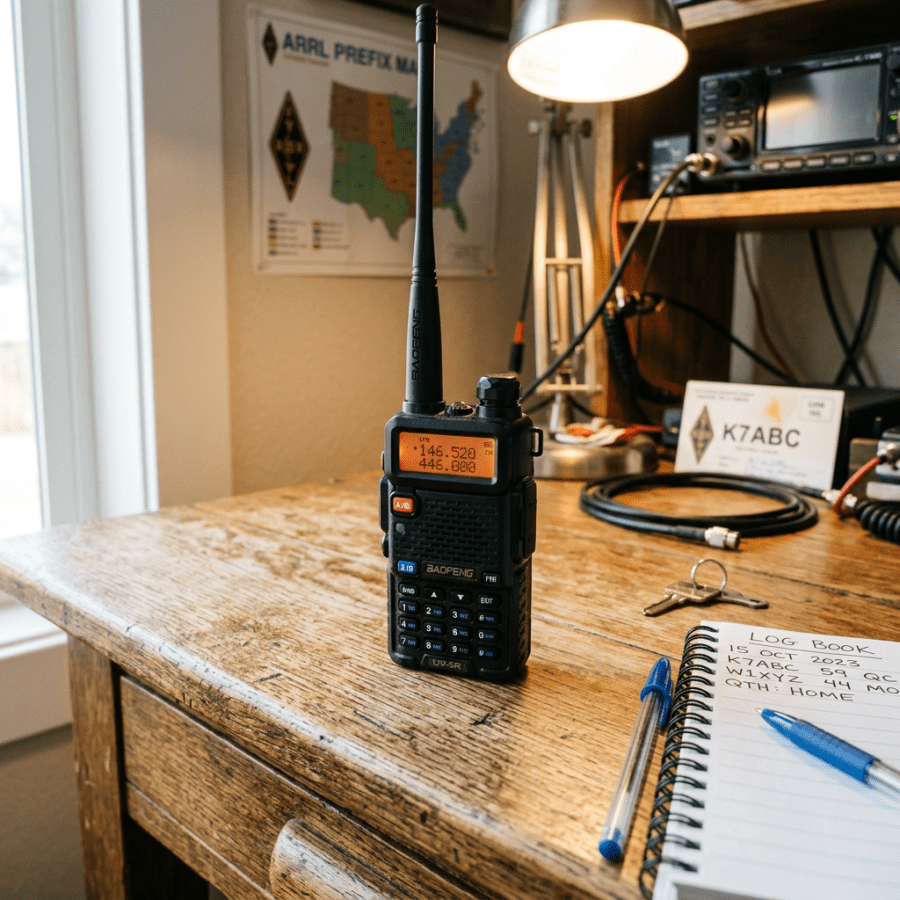
Handheld Baofeng radio on desk with amateur radio equipment and logbook

Become an Amateur Ham Radio Operator for Emergency Communications

I recently became an amateur radio operator, or “ham,” because I wanted to help with communications during emergencies. One of the big draws is that when phones go down—including cell phones, which often do in a disaster—you can still operate a ham radio. With a license, you can stay in touch with family or friends who are also licensed operators. If someone you need to reach isn’t on the radio, another ham can relay a message. You can talk by voice, send data through a computer, or even use GPS-based systems to pass information along.

The hobby goes beyond emergencies. For example, licensed operators can sometimes talk with astronauts aboard the International Space Station who also use ham radios (NASA, 2023). There’s also a technique called “moonbounce,” where signals are bounced off the moon to reach someone on the other side of the world—up to about 12,000 miles away (ARRL, 2024). And with the right setup, you can connect through satellites. It’s a mix of science, problem-solving, and communication.

At its core, amateur radio is about people connecting with each other locally or across the globe. Some use radios they bought off the shelf, while others build their own. Computers and the internet can play a role, but the heart of it is radio waves and the people who use them. In many disasters, amateur operators are among the first to help with emergency communication when traditional networks fail (FEMA, 2022).

Getting on the air requires a license from the Federal Communications Commission. That means taking an exam, but the test is very doable with some study. The FCC has set aside specific frequencies, called the Amateur Bands, just for this purpose. These cover a wide range, starting just above the AM broadcast band and reaching up into very high microwave frequencies (FCC, 2024). There’s room for experimenting, learning, and a lot of different styles of communication.

There’s also no age limit. I’ve met licensed operators as young as six years old. That’s part of the appeal—it’s a hobby that opens the door to science and technology for kids, but it also has serious applications when things go wrong.

If you’re curious about learning more, or even getting licensed yourself, the American Radio Relay League (ARRL) has a good starting point: http://www.arrl.org/getting-licensed.

This is for information only. It’s not medical advice, and if you have health questions, please talk to your own provider.

Scott Rennie, D.O.
Board Certified in Obesity Medicine and Family Medicine

This blog is for educational purposes only and does not constitute individual medical advice. Always consult your own physician before making changes to your health, medications, or treatment plan.
Twitter: http://twitter.com/doctorrennie


Sources:

  • American Radio Relay League (ARRL). “Getting Licensed.” ARRL, 2024. http://www.arrl.org/getting-licensed

  • Federal Communications Commission (FCC). “Amateur Radio Service.” FCC, 2024.

  • NASA. “Amateur Radio on the International Space Station (ARISS).” NASA, 2023.

  • Federal Emergency Management Agency (FEMA). “Amateur Radio.” FEMA, 2022.

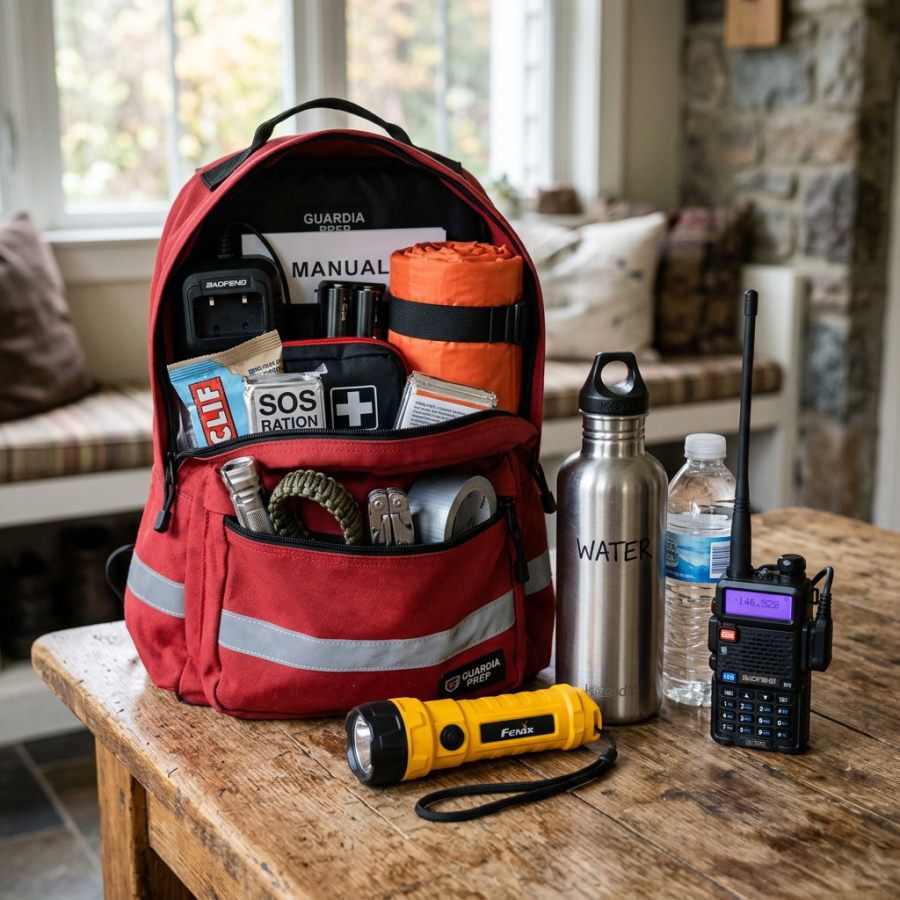
Red emergency backpack containing manual, food bars, first aid kit, rope, multitool, flashlight, water bottles, and radio

Disaster Preparedness: An Amateur Radio Operator’s View

Personal Disaster Preparedness

presented by John Covington, W4CC This discussion has been presented at club meetings, civic groups and even over the Tarheel Emergency Net. As I mentioned then, the purpose of this discussion is to encourage you to think about how you should prepare for a disaster. There is no “one-size-fits-all” formula for disaster preparedness. Consider some of the points mentioned below and decide what preparations are best for you.

What is Disaster Preparedness?

Disaster Preparedness means taking steps necessary to make sure you and your family are safe and as comfortable as possible in the aftermath of a disaster.

Main Types of Disasters

It’s not possible to prepare for every conceivable disaster, so think carefully about what hazards are most likely to affect you. These will vary greatly depending on exactly where you live.
  1. Natural – in North Carolina, hurricanes and winter weather are the most disruptive, but can usually be predicted a few days in advance. Flooding due to severe thunderstorms and tornadoes are not very predictable.
  2. Technological (man-made accidental) – radiological, chemical releases; fires. Not predictable, but many hazards are identifiable in advance.
  3. Terrorist (man-made – deliberate) radiological, chemical, explosions, etc. Not predictable.

Your Personal Preparations – Stay Put or Evacuate?

You need to consider both possibilities – sometimes the decision will be made by circumstances beyond your control. Staying put requires more preparation, but you retain your privacy. Evacuation places most of the burden of preparation on someone else. Evacuating to someone’s home is nice, but not always possible. If you evacuate to a disaster shelter, you will be dry, well-fed and have no privacy. For disasters not requiring immediate evacuation, prepare for a 72-hour “stay put” scenario. 72 hours is long enough for the worst part of the disaster to pass, or for you to make a smart decision about what to do next if it hasn’t. For disasters requiring immediate evacuation, have necessities (such as medicine) where you can get to them quickly. A ready kit is a good thing to have so you can be as self-sufficient as possible until you get established somewhere else. Don’t wait too long to make the decision to evacuate. Many flood deaths in this state have resulted from people waiting too long, then their evacuation route disappears. Consider carefully the psychological impact of a disaster on your family. Some people can just handle survival situations better than others. Even if your home is intact, evacuation may end up being the best thing to do.

Family Communications Plan

You and your family should plan how you will contact each other if you are not together when disaster strikes. Don’t rely exclusively on cellular telephones since they usually work intermittently following a disaster. Your plan should include designating an emergency contact person who lives out of town. Sometimes a long-distance call is actually easier to make than a local call during a disaster. Someone out of town may be more easily able to communicate among separated family members. Make sure each member of your family has the number of this emergency contact in writing.

Staying Put

Ask yourself if you can survive 72 hours in your home without utilities (electricity, gas, water, phone)? You will most likely lose electricity and telephone service during a disaster. Natural gas and city water usually continue to be available (but not well water).
  • Be prepared for both summer and winter weather since the survival conditions are very different.
  • Always store several gallons of drinking water. You need drinking water more than anything else except air! You can use dirty water to flush your toilets, but drinking water must be clean.
  • It is easy to test your preparedness for staying put (although your family may not think so). Turn the main circuit breaker off for a weekend and see how you do. If you can go the whole weekend without turning it back on, you are well prepared.
  • Some people use generators to provide electricity. If you do, make sure you know how to connect your generator so it is not connected to the electrical grid!
  • Natural gas or propane is usually available even after a disaster. Find out if you can use your gas appliances without any electricity. Gas stoves, water heaters and logs can probably be used without power, but ovens and furnaces usually can not.
  • Neither landline nor cellular phones will work dependably after disasters. For landlines, have at least one phone available that does not require separate electricity to use. For cellular, have a power cord that allows you to use or charge the phone from your car battery.
  • Have sufficient batteries on hand to power essential equipment, including flashlights and AM/FM/WX radios. The radios will be your source of news about the disaster, as well as entertainment.
  • Have sufficient light sources (flashlights, candles, cyalume sticks). Be careful with any source of ignition, such as candles.

Evacuation

If you must leave your home, make sure you have thought about what you need to take with you. For example, medicine will probably be hard to obtain after a disaster. It’s best if you can take all essentials with you so you can be as self-sufficient as possible until you get established somewhere else. Depending on the type of disaster, evacuation might be a slow process, and stopping along the way for supplies won’t be possible. A 72-hour ready kit is the best way to make sure you have what you need, and is useful even if you stay put. You can make your own or purchase them already made (from suppliers such as www.nitro-pak.com). Ready-made kits are generic and will probably have a couple of items you don’t need and will be missing an item or two you do need. Some other things you must consider about evacuating:
  • Have plenty of fuel in all of your vehicles — your preferred vehicle might end up being unavailable.
  • Have cash on hand. Credit cards and ATMs will not be useful while power is out.
  • Have a map of the area. Familiar routes can be blocked by floods and storm damage, so you may end up taking unfamiliar roads.
  • Find out — in advance — where disaster shelters in your community are established, and mark them on the map.
  • Having a plan for getting your family back together in case you are not able to evacuate together.
  • Establish a family communications plan. Designate someone outside the disaster area you will contact.

Items for a Basic 72-Hour Kit

This list is suggested by www.ready.gov and includes basic items you should have on hand for a disaster. Keep these items in a container that you can take with you if you need to evacuate, or locate them easily if you are staying put. This is not a “one size fits all” list, you should modify it to suit your circumstances. For example, you might want to add insect repellent and toothbrushes for personal comfort.
  • Water, one gallon of water per person per day, for drinking and sanitation
  • Food, at least a three-day supply of non-perishable food
  • Battery-powered radio and extra batteries
  • Flashlight and extra batteries
  • First Aid kit
  • Whistle to signal for help
  • Dust mask or cotton t-shirt, to help filter the air
  • Moist towelettes for sanitation
  • Wrench or pliers to turn off utilities
  • Can opener for food (if kit contains canned food)
  • Plastic sheeting and duct tape to shelter-in-place
  • Unique family needs, such as daily prescription medications, infant formula or diapers, and important family documents
  • Garbage bags and plastic ties for personal sanitation

Conclusion

If you aren’t motivated to spend any time on disaster preparedness, at the bare minimum, do the following:
  • Talk to your family about this subject.
  • Keep sufficient drinking water on hand.
  • Write down important phone numbers.
  • Keep your cars at least half full of fuel.
  • Keep cash on hand.

Scott Rennie, D.O.
Board Certified in Obesity Medicine and Family Medicine

This blog is for educational purposes only and does not constitute individual medical advice. Always consult your own physician before making changes to your health, medications, or treatment plan.
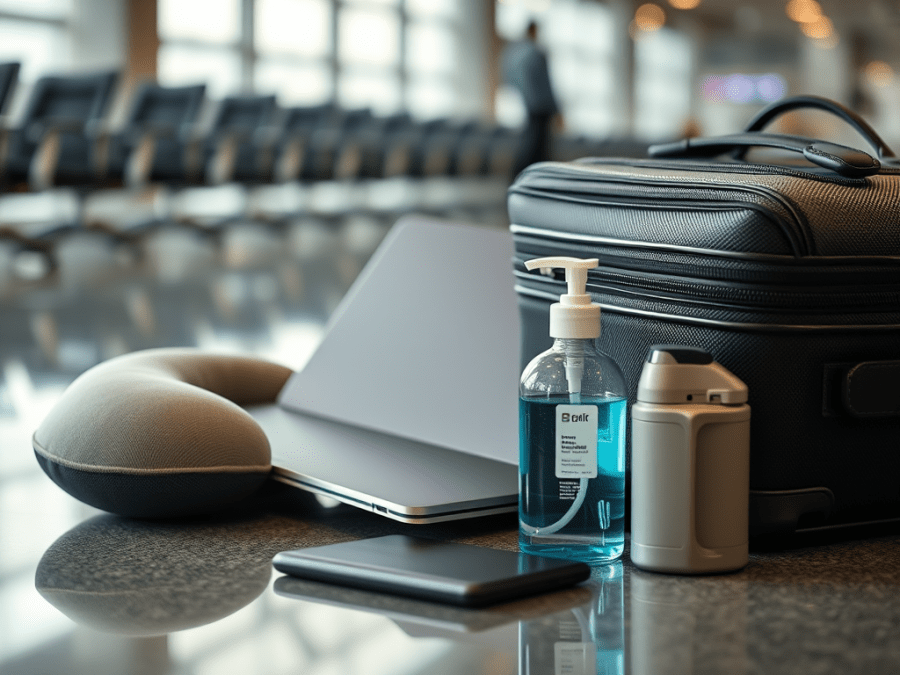
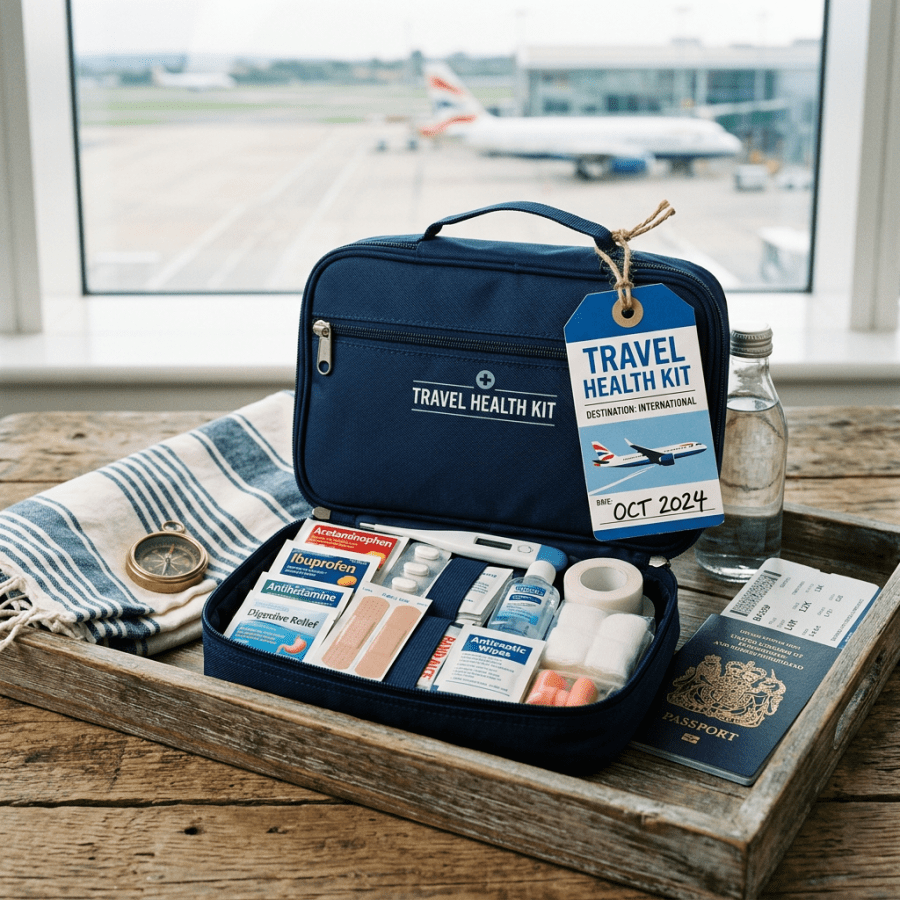
Travel health kit with airplane tag still life

Pack a Carry-On First Aid Kit for Air Travel and Flying

Now that most airlines charge for checked bags, it makes sense to think about carrying your first aid kit with you on the plane. The right kit depends a lot on where you’re headed. A weekend trip to the beach looks very different from a year in the Peace Corps. Still, there are some basics worth considering.

Headaches, stomach upset, and minor aches are common on the road. Medications like ibuprofen or acetaminophen can help with headaches or muscle pain. For heartburn or indigestion, travelers often bring something familiar such as famotidine or omeprazole. If you’re prone to motion sickness, an over-the-counter option like dimenhydrinate can prevent a miserable flight or bus ride.

Blisters are another frequent problem. A few squares of moleskin or blister pads can keep you walking instead of limping. Sunscreen and insect repellent are also essentials, especially if you’re outdoors a lot. I usually suggest packing an antihistamine like diphenhydramine. It works for allergies, bug bites, and sometimes helps with sleep if you’re stuck in a noisy hotel room.

Bring your daily prescription medications in your carry-on. Bags get lost, and it’s not worth the risk. Keep pills in the original bottles with your name and pharmacy label. If you’re traveling with controlled substances, a letter from your doctor on letterhead is a smart idea. Some countries restrict narcotics, even if you have a prescription, so check local regulations before you fly.

Simple supplies round out a kit. Adhesive bandages in a few sizes, medical tape, and a small tube of antibiotic ointment cover most cuts and scrapes. Anti-itch creams are handy for mosquito bites. Pack hand wipes or sanitizer with at least 60 percent alcohol for times when running water isn’t available. If you wear glasses or contacts, bring an extra pair.

Travel sometimes means unique risks. At high altitude, acetazolamide may be prescribed to prevent sickness. In malaria regions, prophylaxis may be recommended. Water purification tablets are also helpful in areas where drinking water isn’t reliable. And it’s smart to carry a contact card with your emergency numbers, your healthcare provider’s information, and the location of nearby hospitals or clinics. Many travelers also write down the local U.S. embassy contact information.

Insurance is another detail that people often overlook. Before you leave, call your insurance company to see if your policy applies overseas. In some cases, buying a short-term travel policy provides coverage and peace of mind.

I once spoke with a couple who traveled to rural South America with nothing more than sunscreen and bandages. After the first week, one developed severe diarrhea, and they had no loperamide or oral rehydration solution. They ended up driving two hours to find a clinic. They told me later that if they had packed a simple kit with a few basic medications, the whole ordeal might have been avoided.

Travel is unpredictable. Having a small kit in your carry-on won’t solve every problem, but it gives you control in those first uncomfortable hours before you can reach care.

This is for general information only and not intended as medical advice for an individual patient. If you have questions about what to bring on your trip, talk with your healthcare provider.

Wishing you the best of health,

Scott Rennie, D.O.
Board Certified in Obesity Medicine and Family Medicine

This blog is for educational purposes only and does not constitute individual medical advice. Always consult your own physician before making changes to your health, medications, or treatment plan.


Sources: